Top Benefits of Using Reusable Needle for Sustainable Practices?
The global shift towards sustainability is more urgent than ever. In the healthcare sector, waste management is a significant concern. The World Health Organization reports that health care waste generation has increased by 30% due to the pandemic. Reusable needles present a viable solution.
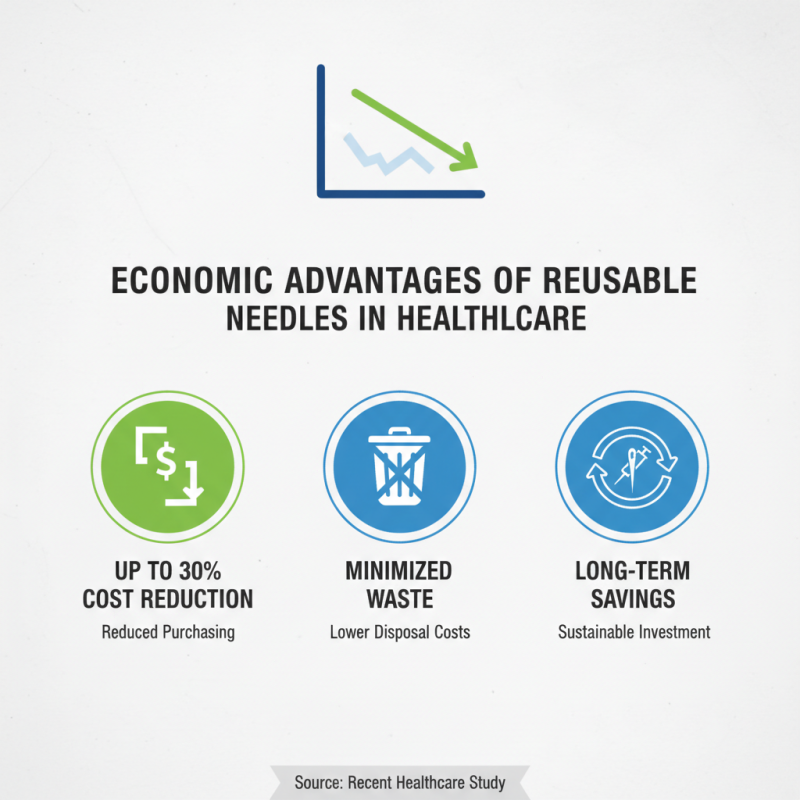
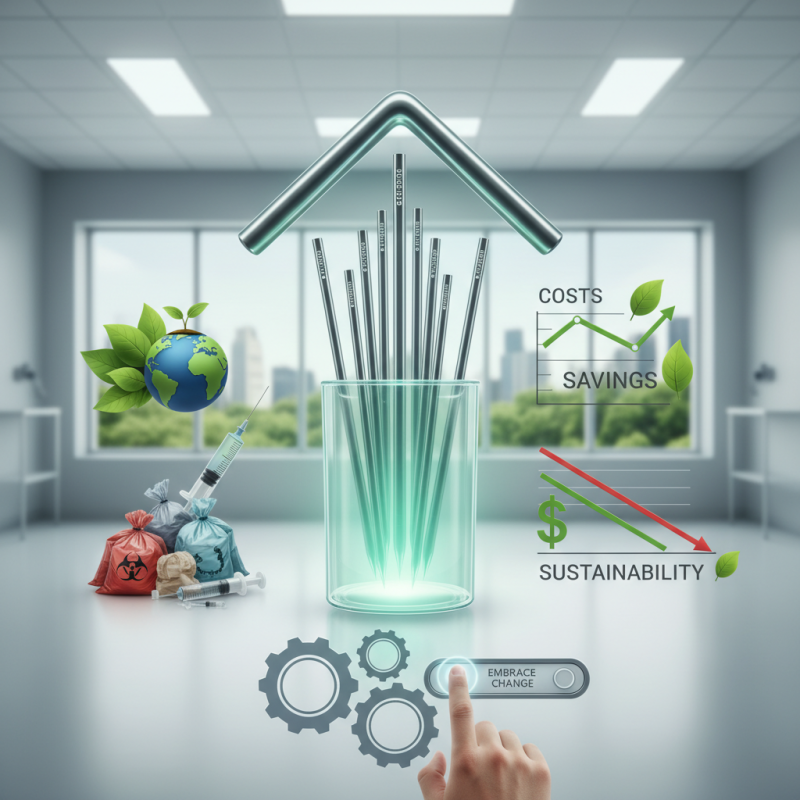
Introducing reusable needle systems can significantly reduce medical waste. According to a report by the Environmental Protection Agency, disposable needles contribute substantially to landfill accumulation. An increase in reusable needle adoption could combat this problem effectively. Despite initial costs, the long-term savings and benefits can be substantial.
However, challenges remain. Resistance to change and concerns over safety can impede the adoption of reusable needles. Health professionals must weigh the immediate benefits against perceived risks. As the industry moves forward, embracing innovation will be crucial for sustainable practices. Reusable needles represent a step towards environmental responsibility in healthcare.
Benefits of Reusable Needles in Reducing Medical Waste and Pollution
The rise of reusable needles presents a compelling opportunity to reduce medical waste. According to a report by the World Health Organization (WHO), healthcare waste can account for up to 15% of total waste generated by hospitals. Traditional medical practices often rely on single-use needles, generating millions of tons of waste each year, overwhelming waste management systems.
The adoption of reusable needles has the potential to cut down this medical waste significantly. Studies indicate that using reusable needles could reduce plastic waste by more than 60%. For instance, if hospitals replaced single-use needles with reusable options, they could prevent over 1 billion plastic units from entering landfills annually. However, there is a caveat. Not all facilities are equipped to properly sterilize needles, which raises concerns about safety and efficacy in usage.
Furthermore, the environmental impact is notable. Reusable needles lessen the overall pollution resulting from plastic production and disposal. Plastics contribute to long-lasting pollution, affecting wildlife and human health. Despite these benefits, the transition to reusable needles requires careful assessment of current practices, training for staff, and a shift in mindset. The overall reduction in waste and pollution needs a commitment from all stakeholders involved in healthcare practices.
Impact of Reusable Needles on Patient Safety and Infection Rates
The use of reusable needles is gaining traction in medical settings. Their impact on patient safety and infection rates is significant. According to the Centers for Disease Control and Prevention (CDC), approximately 1 in 31 hospital patients have a healthcare-associated infection. This alarming statistic underscores the importance of infection control measures.
Reusable needles, when properly sterilized, can help mitigate these risks. Studies suggest that facilities reducing single-use needles can see a drop in infection rates. A report by the World Health Organization indicates that safe injection practices prevent 16 million deaths annually. This emphasizes reusable needles' potential to enhance clinical outcomes.
However, the transition is not without challenges. Mismanagement in cleaning processes can lead to complications. Staff training is crucial; improper usage could reverse the benefits. Measuring the success of reusable needles requires constant assessment, ensuring patient safety remains the priority. Data should be diligently collected to evaluate results and improve practices. Balancing sustainability with safety is essential.
Environmental Gain from Using Reusable Needles in Medical Practices
The use of reusable needles in medical practices presents significant environmental benefits. Traditional single-use needles contribute to vast amounts of plastic waste. Annually, millions of these needles end up in landfills. This has a profound impact on ecosystems. By switching to reusable options, healthcare facilities can significantly reduce their waste footprint.
Moreover, reusable needles can lead to lower resource consumption. Each time a needle is reused, it diminishes the need for raw materials. This means less energy and fewer chemicals are involved in the production process. However, there is risk involved in reusing needles. Proper sterilization is essential. If not done correctly, it can lead to infections. This raises questions about the balance between sustainability and safety.
Despite these challenges, the environmental gains are hard to ignore. Reusable needles can help communities move toward greener practices. Health sectors are gradually recognizing the importance of sustainability. It's a shift that requires ongoing reflection and improvement. Adopting these practices may pave the way for a more sustainable future in healthcare.
Regulatory Trends Supporting Reusable Needle Adoption in Healthcare
The adoption of reusable needles in healthcare is gaining momentum. Regulatory bodies are increasingly endorsing their use. Recent data indicate that healthcare facilities can reduce medical waste by up to 40% through the adoption of reusable options. This not only promotes sustainability but also conserves resources, addressing growing concerns about environmental impact.
Emerging regulations support this transition. For instance, some states in the U.S. are implementing guidelines to encourage the use of reusable medical devices. Reports show that adopting such practices can lead to significant cost savings—estimated at $1.5 billion annually across the healthcare sector. However, the shift is not without challenges. Many healthcare providers express concerns about sterilization processes and potential contamination risks associated with reused needles.
Moreover, there is a need for comprehensive training programs to ensure safety standards are met. Without proper education, the benefits of reusable needles could be overshadowed by the risks. As healthcare professionals navigate these changes, ongoing scrutiny is necessary to balance innovation with patient safety.
Top Benefits of Using Reusable Needle for Sustainable Practices
| Dimension |
Description |
| Environmental Impact |
Reduces medical waste by minimizing single-use items. |
| Cost Efficiency |
Lowers overall supply costs through reduced purchasing frequency. |
| Patient Safety |
Promotes higher standards of sterilization leading to safer procedures. |
| Regulatory Compliance |
Aligns with increasing regulations favoring sustainable practices. |
| Innovative Practices |
Encourages adoption of newer, more sustainable technologies in healthcare. |