Top 10 Best Practices for Livestock Injection Techniques and Safety Tips
In the field of veterinary science, efficient and safe livestock injection practices are critical for maintaining animal health and optimizing productivity. Dr. James Anderson, a renowned livestock veterinary expert, emphasizes, "Proper injection techniques are not just about delivering medication; they are vital for the well-being of the animal and the safety of the handler." This underscores the importance of mastering the correct methods and safety protocols to ensure that livestock injections are carried out effectively and humanely.
As the agriculture industry evolves, so too does the need for high standards in livestock management. Livestock injection techniques play an essential role in disease prevention and treatment, making it imperative for farm operators and veterinary professionals to understand best practices. Not only do these techniques improve the health of the animals, but they also contribute to the overall efficiency and sustainability of livestock operations. With this in mind, adopting guidelines that prioritize safety and accuracy in livestock injection can significantly reduce the risk of complications and enhance the quality of care provided to animals.
In this article, we will explore the top 10 best practices for livestock injection techniques and safety tips, drawing on expert insights and current research to equip practitioners with the knowledge needed to implement these essential practices in their daily operations. By focusing on proper techniques and safety measures, we can ensure better outcomes for both livestock and those who care for them.

Understanding Livestock Injection Types and Their Purposes
Livestock injection techniques encompass various methods tailored to meet the specific health needs of animals. Different types of injections include intramuscular, subcutaneous, and intravenous, each serving a unique purpose. Intramuscular (IM) injections are often used for administering vaccines and medications directly into the muscle tissue, allowing for rapid absorption and effectiveness. This method is preferred when dealing with larger volumes or when a quick response is necessary. On the other hand, subcutaneous (SC) injections deliver substances into the tissue layer between the skin and muscle, commonly used for vaccines or medications that require slower absorption rates, providing longer-lasting effects.
Understanding the purpose behind these injection types is crucial for ensuring the health and welfare of livestock. For example, intravenous injections are specifically reserved for situations requiring immediate systemic effects, such as administering fluids or emergency medications. Each injection method requires precision and a thorough understanding of animal anatomy to minimize pain and stress for the animal. Employing proper techniques not only enhances the effectiveness of the treatment but also reduces the risk of complications, making it essential for livestock caretakers to be well-versed in both the types of injections and their appropriate applications.
Essential Equipment and Supplies for Safe Injection Practices
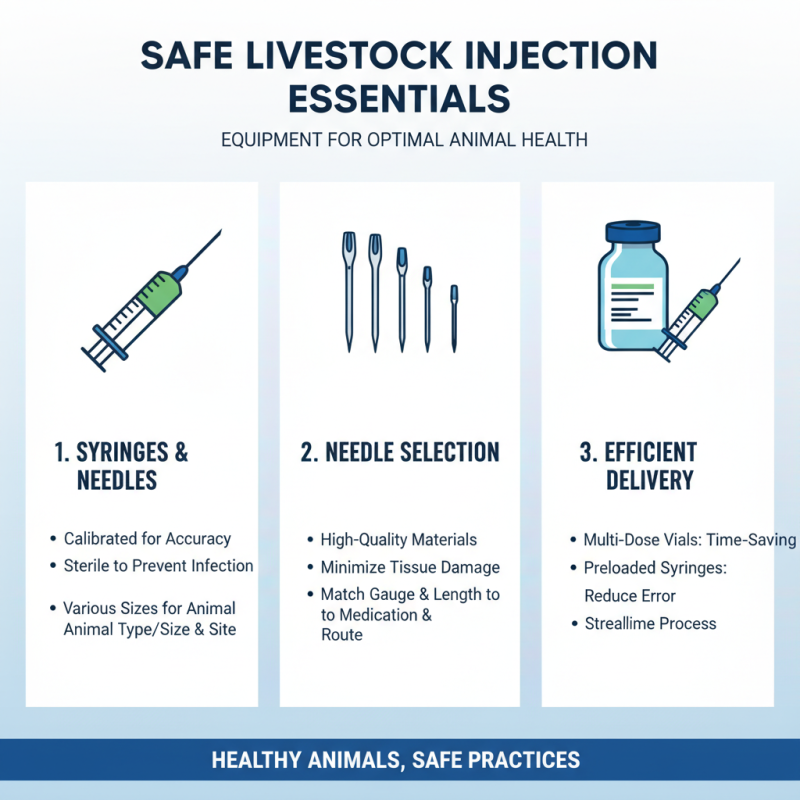
Ensuring safe livestock injection practices begins with having the right equipment and supplies at hand. Essential items include properly calibrated syringes and needles, which should be chosen based on the type and size of the animal being treated. Using high-quality, sterilized needles not only minimizes the risk of infection but also increases the efficacy of the injection. It is crucial to have a variety of needle sizes to accommodate different injection sites and medications. Additionally, multi-dose vials and pre-loaded syringes can help streamline the process, reducing handling time and the potential for errors.
In conjunction with the basic supplies, personal protective equipment (PPE) should always be utilized to ensure safety during the injection process. Gloves are a must to avoid direct contact with medications and to protect against zoonotic diseases. Depending on the procedure, masks and goggles may also be warranted to guard against aerosols and accidental splashes. A well-organized work area is vital for maintaining sterility and efficiency; having clean, designated zones for injections can further decrease the risk of contamination. Finally, adequate disposal containers for used needles and syringes are essential to prevent injuries and maintain a safe environment for both handlers and livestock.
Proper Restraint Techniques for Livestock During Injections
Proper restraint techniques are crucial when administering injections to livestock to ensure both the safety of the animal and the injector. Animals can be unpredictable, and without adequate restraint, there is a greater risk of injury to both parties. A calm environment with minimal distractions should be created to help keep the animal at ease. Using appropriate handling equipment, such as squeeze chutes or halters, can significantly reduce stress for the animal while allowing for safe positioning during the injection process.
When restraining livestock, it's essential to apply pressure evenly and avoid sudden movements. For larger animals, ensure that you have a solid grip and maintain a correct position to prevent kicking or struggling. For smaller livestock, gentle handling is key; using a buddy system with an additional person can make the process smoother. Always approach the animal from the side and speak softly to reassure them; this helps in maintaining a calm atmosphere, which is beneficial for effective and safe injections.
Tip: Before starting an injection process, practice proper techniques and familiarize yourself with the anatomy of the animal. Understanding the best injection sites can help in reducing discomfort and improving the efficacy of the vaccine or medication being administered. Another tip is to ensure that all equipment is clean and ready to use, as a smooth and prepared operation minimizes stress for both you and the animal during the injection process.
Step-by-Step Guide to Administering Injections Safely
Administering injections to livestock is a critical aspect of veterinary care that ensures animal health and welfare. According to a report by the World Organisation for Animal Health, improper injection techniques can lead to complications such as abscesses, tissue damage, and even systemic infections. To mitigate these risks, it is crucial to follow a step-by-step approach.
Begin by selecting the appropriate site for injection based on the type of medication and the animal species. For example, the neck region is typically preferred for intramuscular injections due to its lower risk of damage to major blood vessels and nerves.
Before administering an injection, always ensure that both the equipment and the site are clean. Disinfect the injection area using alcohol or an appropriate antiseptic to reduce the risk of infection. The needle should be properly sized for the animal’s age and weight; a study in the Journal of Veterinary Medical Education suggests that using the right gauge can minimize tissue trauma.
After the injection, monitor the animal for any adverse reactions and document the administration. Adopting these best practices not only enhances animal safety but also promotes effective treatment outcomes, ensuring that livestock remain healthy and productive.
Post-Injection Care and Monitoring for Livestock Health
Post-injection care and monitoring play a critical role in ensuring the health and well-being of livestock after any vaccination or treatment procedure. After administering an injection, it is essential to observe the animal closely for any immediate adverse reactions, which can include signs of discomfort, swelling at the injection site, or changes in behavior. Keeping a detailed log of each animal's response post-injection can help identify trends and potential issues that may require further veterinary attention.
Furthermore, proper handling and care following an injection can significantly impact the recovery and overall health of livestock. This includes providing a calm and stress-free environment, ensuring that the animals have access to clean water and appropriate nutrition to support their recovery. Regularly monitoring vital signs and observing for any unusual symptoms over the next few days can aid in early detection of complications. It is also helpful to maintain clear communication with veterinary professionals, who can provide guidance based on the specific needs of the livestock and any observed reactions. Through diligent post-injection monitoring and care, farmers can enhance livestock health and productivity.