How to Choose the Best Animal Identification Solutions?
Animal identification is a critical aspect of modern agriculture and livestock management. According to a report from Grand View Research, the global animal identification market was valued at approximately $2.5 billion in 2022, with a projected growth of 12% per year over the next decade. This growth highlights the rising importance of effective tracking solutions to ensure food safety and disease control.
As farmers and veterinarians seek to manage livestock health and traceability more effectively, choosing the right animal identification methods becomes vital. Multiple options exist, including RFID tags, ear tags, and biometric solutions. Each has its own set of advantages and challenges. For instance, while RFID tags offer advanced tracking, they require proper placement and maintenance, which may not always be feasible in all settings.
Hence, understanding the specific needs of one's operation is essential. The process may seem overwhelming, particularly for those new to the industry. However, reflecting on individual needs and limitations is critical to choosing the most suitable animal identification solution. This choice can significantly impact operational efficiency and animal welfare.

Understanding the Importance of Animal Identification Solutions
Animal identification solutions play a vital role in
livestock management and pet ownership. Effective identification can streamline veterinary care, improve breeding programs,
and enhance disease tracking. By using these solutions, farmers and pet owners can ensure
better health for their animals. This system not only serves
the operational aspect but also fosters trust in animal welfare.
Choosing the right method can be overwhelming. Various tools exist, including microchips,
ear tags, and biometric systems. Each has its own benefits and limitations. Microchips, for
instance, provide permanent identification but require specialized equipment for scanning. On the other hand,
ear tags are visible and easier to manage but can be lost or damaged.
It’s essential to evaluate the specific needs of your situation carefully.
Real-life implementation can be challenging. For example, some individuals may struggle with integrating technology
into their routines. The cost of advanced solutions can also be prohibitive for smaller operations. Reflecting on
the experiences of others can provide valuable insights.
Engaging with local veterinarians or agricultural extension services can help you make informed choices.
Always weigh the pros and cons before settling on a solution.
Types of Animal Identification Technologies Available
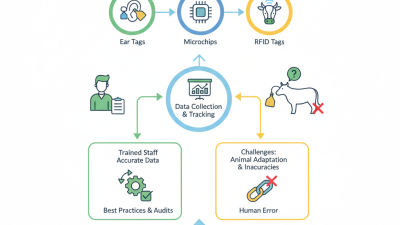
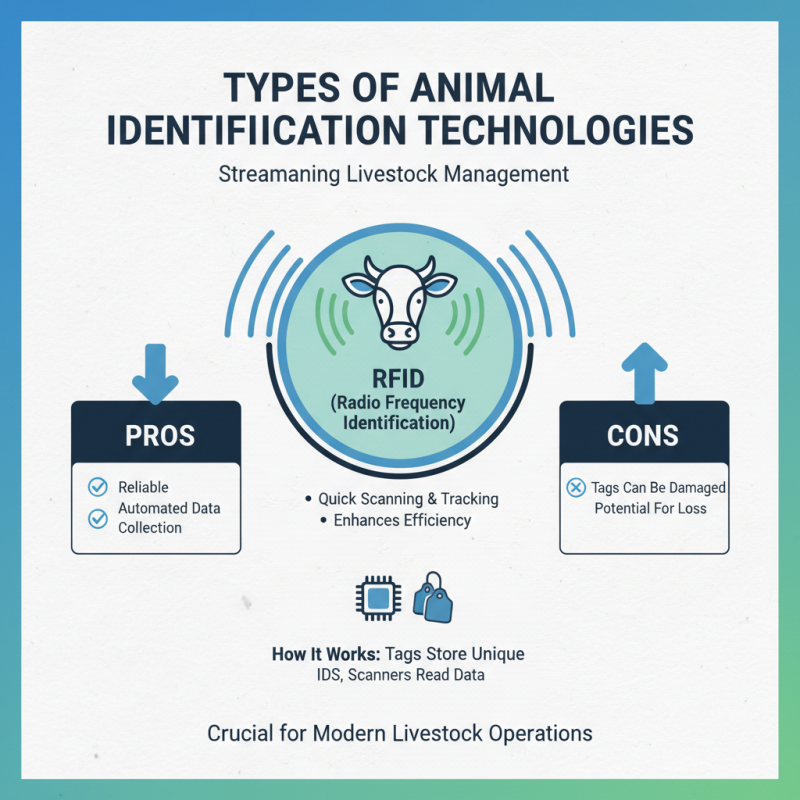
When selecting animal identification technologies, it's crucial to understand the available options. RFID (Radio Frequency Identification) systems are widely used in livestock management. They allow for quick scanning and tracking of animals. This technology is reliable and enhances efficiency. However, it's not foolproof; RFID tags can be damaged or lost.
Microchipping is another effective method. It requires a tiny chip to be inserted under the skin. This allows for a permanent identification solution. While microchips are highly reliable, they may not be suitable for all types of animals. Additionally, the process can be invasive and may require veterinary assistance.
Consider using visual identification methods as a supplement. Color-coded tags or ear notches can help easily differentiate animals in the field. However, these methods can fade or become illegible over time.
Tips: Always conduct regular checks on any identification tags or chips. Replace or update materials when necessary to maintain accuracy. Reflect on your needs and the environment of your animals when choosing a solution. Remember that a combination of methods may offer the best results for tracking.
Key Factors to Consider When Selecting Identification Solutions
Choosing the right animal identification solutions can be a complex task. Various key factors can influence your decision. First, consider the type of animal you need to identify. Different species may require specific technologies. For example, livestock may benefit from ear tags or microchips, while pets might do better with collars or RFID chips.
Next, think about the environment where the identification will be used. Outdoor conditions can affect visibility and durability. Solutions must withstand weather and wear. This brings to light the importance of materials used in the identifiers. Many options exist, but not all will hold up over time. You'll need to balance strength and comfort.
Cost is another critical aspect. High-quality solutions often come at a price. Assess whether the expense is justified by the benefits you'll receive. Evaluate long-term savings against initial costs. It's easy to feel overwhelmed by choices, leading to impulsive decisions. Reflect on what features are essential for your situation. Take your time to ensure you make an informed choice.
Top Factors in Choosing Animal Identification Solutions
Comparing Cost-Effectiveness of Different Identification Methods
When it comes to animal identification, cost-effectiveness is crucial. Various methods are available, each with distinct benefits and limitations. Common options include microchipping, ear tagging, and tattooing. Microchips provide reliable, permanent identification but can be costly. Ear tags are affordable and easy to apply but may get lost or damaged. Tattoos are long-lasting, yet they can be challenging to read.
Choosing the right method requires evaluation of your specific needs. Consider the type of animal and the environment. For example, livestock in open fields may benefit from ear tags, while pets might be better suited for microchips. Weigh initial costs against potential long-term expenses. Misplaced tags can lead to additional costs in recovery efforts.
Tips for better decision-making include consulting experts and seeking advice from veterinarians or animal specialists. Additionally, assess the integration of the identification method with your current management system. Explore training options to ensure proper use. Don't neglect the importance of regular checks and updates. Regular evaluations can enhance reliability and address any emerging issues.
How to Choose the Best Animal Identification Solutions? - Comparing Cost-Effectiveness of Different Identification Methods
| Identification Method |
Initial Cost |
Long-term Cost |
Durability |
Ease of Use |
Accuracy |
| Ear Tags |
$0.50 |
$0.05/year |
1-2 years |
Easy |
Moderate |
| Microchips |
$20.00 |
$0.30/year |
Indefinite |
Moderate |
High |
| RFID Tags |
$1.00 |
$0.10/year |
3-5 years |
Easy |
High |
| Tattooing |
$2.00 |
$0.00/year |
Permanent |
Difficult |
Moderate |
| DNA Testing |
$50.00 |
$5.00/year |
Indefinite |
Difficult |
Very High |
Evaluating the Support and Service Options of Providers
When evaluating animal identification solutions, the support and service options provided can make or break your experience. Look for providers that offer comprehensive training. Knowledgeable staff can help you understand the technology deeply. A system is only as good as the help you receive when things go wrong. Reliable customer support should be available to assist you promptly. Delays can be costly, especially in urgent situations.
Consider the availability of on-site assistance. Some providers may offer tech support at your location, which can be invaluable. Remote assistance is great, but there are instances where in-person help is essential. Ensure that the service hours align with your operational needs. This aspect often gets overlooked but can impact daily operations significantly.
Research the reputation of potential providers. Look for reviews and testimonials from other users. Real experiences often highlight strengths and weaknesses that marketing materials might not reveal. Pay attention to feedback regarding responsiveness and problem resolution. This can indicate how well a company will support you over time. It’s important to rely on providers that understand the challenges you face and can adapt their services accordingly.