How to Choose Livestock Injection in 2026?
Choosing the right Livestock Injection in 2026 requires more than comparing prices or package sizes. It requires evidence.
The global animal-health market is becoming more data-driven. The Food and Agriculture Organization’s 2024 agricultural outlook links livestock productivity with stronger disease prevention and responsible medicine use. WOAH’s animal-health reporting also emphasizes surveillance, vaccination, biosecurity, and veterinary oversight. In the United States, the FDA’s 2023 Summary Report on Antimicrobials Sold or Distributed for Food-Producing Animals shows continued attention to antimicrobial stewardship. These reports suggest a practical direction: select products that support animal health without encouraging unnecessary treatment.
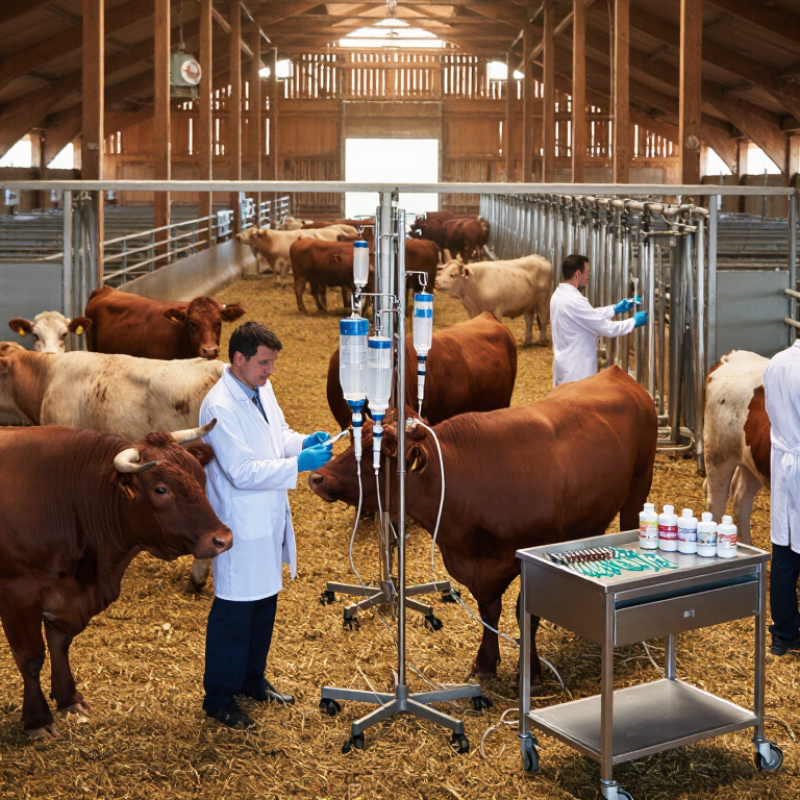
Real farm conditions matter. A beef operation may need a rugged syringe for cold mornings, thick formulations, and repeated handling. A dairy unit may prioritize accurate dosing, clean storage, and clear milk-withdrawal information. Poultry and swine systems may require different delivery equipment, injection depths, and handling procedures. Species, age, body weight, disease risk, label instructions, and veterinary diagnosis should guide every decision. The correct needle is not a minor detail. It affects tissue damage, dosage accuracy, and operator safety.
However, published market reports cannot answer every farm-level question. They may generalize across regions, production systems, and regulations. That limitation deserves attention. A cheaper Livestock Injection may create higher costs through discarded product, treatment failure, residues, or damaged carcasses. Buyers should verify approved indications, withdrawal periods, storage temperatures, batch traceability, and supplier reliability. In 2026, the strongest choice will combine regulatory compliance, field experience, transparent evidence, and careful veterinary judgment. Mistakes remain possible, even with good data.
Define the Purpose and Health Need for the Livestock Injection
How to Choose Livestock Injection in 2026?
Choosing a livestock injection in 2026 should begin with one clear question: what problem are we treating? An injection is not a general health solution. Fever, dehydration, pain, bacterial disease, mineral deficiency, and vaccination needs require different decisions. Similar signs can hide very different causes. Record the animal’s species, age, weight, pregnancy status, temperature, symptoms, and recent treatments. Small details matter. Ask a licensed veterinarian to confirm the likely diagnosis and treatment objective.
The purpose determines the appropriate injection, dose, route, and treatment duration.
Antimicrobials should be considered only when a veterinarian identifies a susceptible bacterial condition. They do not treat viruses or every case of fever. Vaccines are preventive, while supportive injections may address fluids, energy, or specific deficiencies. Never choose by bottle color, price, or a neighbor’s routine. That shortcut can delay proper care. Check the approved species, route, dose, storage conditions, expiry date, and meat or milk withdrawal period. Follow professional instructions exactly.
Good selection also considers the animal’s condition and handling environment. A weak animal may need examination before any injection is given. Clean equipment, correct restraint, and proper injection technique reduce avoidable injuries and contamination. Even experienced handlers can misread early symptoms. I would question any treatment plan that lacks a diagnosis, a monitoring time, and a clear response if the animal worsens. Recheck appetite, temperature, movement, swelling, and breathing. Record what changed, even when the result seems disappointing.
Compare Injection Types, Active Ingredients, and Treatment Targets
How to Choose Livestock Injection in 2026?
Choosing a livestock injection starts with the treatment target, not the product name. A veterinarian should confirm whether the animal needs an antibiotic, vaccine, anti-inflammatory, antiparasitic, or supportive medicine. These categories address different problems. They should never be selected by appearance alone.
Compare active ingredients carefully. Two injections may target similar symptoms but carry different dosing intervals, contraindications, and withdrawal periods. Subcutaneous injections suit some medicines, while others require intramuscular or intravenous administration. Route matters. Age, weight, pregnancy status, dehydration, and species can change the safest option. Always follow the current label and veterinary instructions. Keep accurate treatment records.
Tips: Check the active ingredient, concentration, route, storage temperature, and expiry date before use. Use clean, correctly sized needles, and change them when contaminated or damaged. Never guess a dose from memory. A small mistake can affect meat or milk safety.
Treatment success also depends on diagnosis. Fever alone does not prove a bacterial infection, and repeated injections may hide a worsening condition. In field work, I have seen rushed choices create extra handling stress and delayed recovery. That experience is worth remembering. If the animal fails to improve within the advised period, request a reassessment rather than automatically repeating treatment. Also review local veterinary rules, because permitted medicines and withdrawal requirements differ by region.
Assess Product Safety, Quality Standards, and Withdrawal Periods
How to Choose Livestock Injection in 2026?
Product safety should be checked before price or convenience. Read the label carefully, including species, dosage, injection site, storage temperature, and expiry date. A sealed package is not enough. Inspect the vial for cracks, leaks, particles, or unusual color. Do not use medicine with an unclear label or damaged seal.
Quality depends on traceable manufacturing and consistent handling. Look for an identifiable batch number, active ingredient strength, and approved quality information from the relevant veterinary authority. Good manufacturing practices help control sterility, contamination, and dosing accuracy. On working farms, poor refrigeration can quietly reduce product performance. Keep temperature records, use a clean needle, and avoid repeatedly entering the same vial. Small mistakes matter.
Withdrawal periods need equal attention. The label should state how long treated animals, meat, milk, or eggs must remain outside the food supply. Record the animal identification, product, dose, treatment date, and final eligible date. Never guess the period from another medicine or species. Extra-label use should occur only under a licensed veterinarian’s direction, because the withdrawal time may change. This is where rushed decisions become risky. Even experienced staff can misread a decimal or forget a second treatment. Reviewing records with a veterinarian and following local regulations makes the process more reliable.
Plan Proper Storage, Handling, Administration, and Follow-Up
How to Choose Livestock Injection in 2026?
Plan Proper Storage, Handling, Administration, and Follow-Up
Choosing a livestock injection starts with the label, not the sales claim. Confirm the approved species, disease indication, dosage, route, withdrawal period, and expiry date. Storage instructions must match the product. Many biological products require 2–8°C, but some have different limits. The WHO Vaccine Management Handbook reports that up to 50% of vaccines may be wasted because of temperature, logistics, and administration failures. A thermometer log matters. So does a backup cooler during transport.
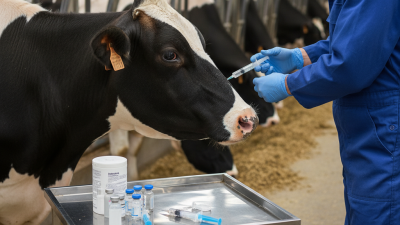
Handling errors often happen beside the chute. Keep vials shaded, avoid freezing, and inspect for cracks, particles, or unusual color. Use a new sterile needle for each animal when practical. Change needles immediately after contamination or bending. Clean hands and equipment. Never combine products unless the label and a veterinarian permit it. Small shortcuts create large risks.
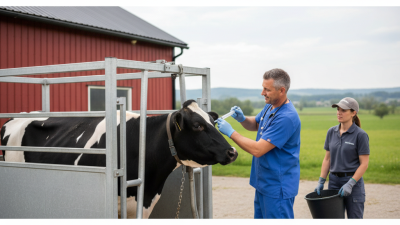
Administration should follow the labeled route and site, with calm restraint and correct needle length. Subcutaneous injections are not automatically safer if the needle enters muscle. Record the animal ID, product, batch, dose, date, administrator, and withdrawal deadline. Follow-up should include appetite, swelling, fever, treatment response, and adverse reactions. USDA quality-assurance guidance consistently links accurate records and proper injection sites with reduced carcass damage. Yet records are often incomplete. That weakness deserves honest review, not assumptions. Consult a licensed veterinarian when diagnosis, dosing, or unexpected reactions remain uncertain.