Why Choose the Best Livestock Medical Syringe for Your Needs?
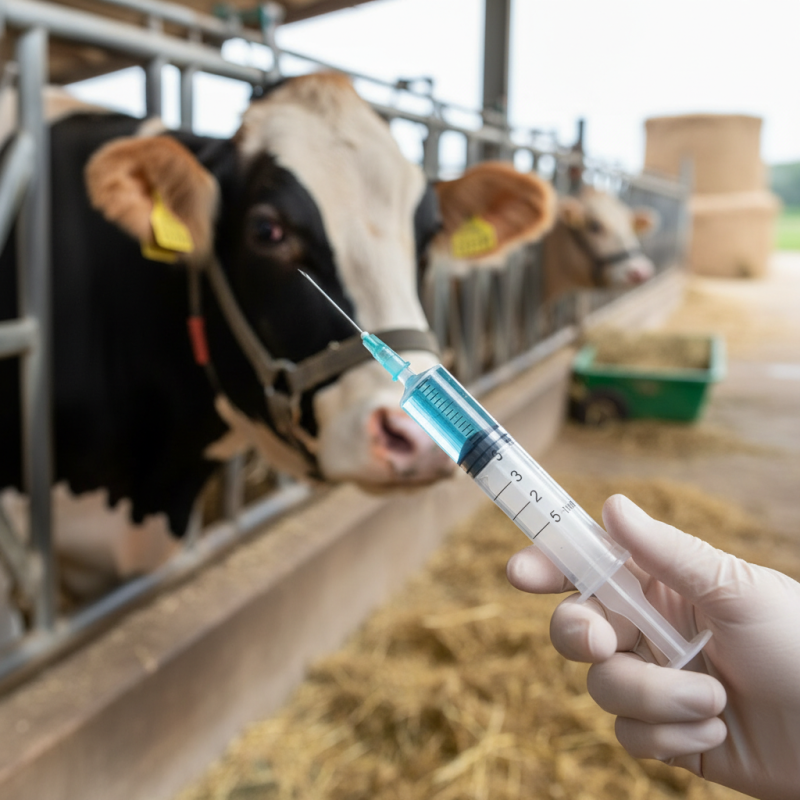
Choosing the best livestock medical syringe can significantly affect the health of your animals. This tool is essential for administering vaccinations and medications. A well-designed livestock medical syringe enhances accuracy and reduces stress for both the handler and the animal.
Understanding the various options available is crucial. There are different models, sizes, and features tailored for specific tasks. For instance, some syringes enable multiple doses without needing to refill. This aspect can save valuable time during busy seasons. It’s important to reflect on your specific needs.
Investing in a reliable livestock medical syringe can directly impact animal welfare. A poor choice may lead to complications or wasted medications. Therefore, it is crucial to assess your options carefully. Your animals depend on your expertise and the tools you use.
Why Choosing the Right Livestock Medical Syringe is Essential
Choosing the right livestock medical syringe is not just about ease of use. It directly impacts animal health and treatment efficiency. A well-chosen syringe ensures the medication is delivered accurately, minimizing stress for the animal. When the right size and type are considered, the risks of injury or infection decrease.
Many farmers overlook the importance of quality. A low-cost syringe may seem appealing but can lead to more issues down the road. For instance, a poorly designed syringe might not provide a proper seal, leading to medication leaks. This waste means extra costs and potential treatment failures.
Moreover, specific livestock require tailored solutions. Cattle, pigs, and sheep each have unique health needs. A livestock medical syringe should fit comfortably in hand and allow for precise control. Farmers may have great intentions, but without the right tools, their efforts can be futile. Understanding the distinct requirements of each animal can lead to better choices. It's crucial to reflect on your past experiences and reconsider the products you have used.
Key Features of High-Quality Livestock Medical Syringes
When selecting a livestock medical syringe, certain key features are crucial for ensuring effectiveness and safety. High-quality syringes often include adjustable dosing mechanisms. This allows farmers to deliver precisely the right amount of medication, minimizing waste and ensuring proper treatment. A report by the American Veterinary Medical Association indicates that accurate dosages can improve health outcomes for livestock, leading to a reduction in disease spread.
Durability is another essential characteristic to consider. Syringes made from high-grade materials are less likely to break or malfunction in the field. According to industry studies, equipment failure can lead to increased treatment times and decreased animal welfare. Look for syringes that are easy to clean and maintain. This not only extends their lifespan but also minimizes the risk of cross-contamination.
Ergonomic design improves usability, especially during long work hours. A syringe with a comfortable grip reduces operator fatigue. Surveys among livestock handlers show that ease of use significantly influences satisfaction with medical equipment. Investing in a well-designed syringe can ultimately lead to better animal health outcomes and enhance operational efficiency. Thoughtful selection of these features will help meet specific farming needs while fostering a safer environment for all.
Industry Standards and Regulations for Livestock Medical Syringes
When selecting a livestock medical syringe, it is essential to understand industry standards and regulations. These standards ensure safety and effectiveness in administering medications to animals. According to the American Veterinary Medical Association (AVMA), improper use of syringes can lead to significant health risks for livestock, including infection and incorrect dosages.
One critical factor is syringe calibration. The World Health Organization (WHO) recommends that syringes be calibrated in milliliters for accuracy. This prevents overdosing or underdosing, which can have severe consequences for animal health. Consistency in syringe design is equally important. The International Organization for Standardization (ISO) has established standards for syringe dimensions. Adhering to these guidelines helps prevent user errors.
Tip: Always check the calibration before use. A simple check can save time and animal lives.
Additionally, the materials used in syringe construction are subject to regulations. Using high-quality, non-toxic materials is crucial to prevent chemical interactions with medications. Veterinarians and livestock handlers must stay informed about the latest regulatory changes to ensure compliance and animal safety.
Tip: Regular training can help staff remain aware of best practices and updates in regulations.
Why Choose the Best Livestock Medical Syringe for Your Needs?
This chart illustrates the importance rating for various criteria when selecting the best livestock medical syringes. Each aspect, including volume, ease of use, durability, cost, and compliance with industry standards, is rated on a scale from 1 to 10, highlighting their significance in decision-making.
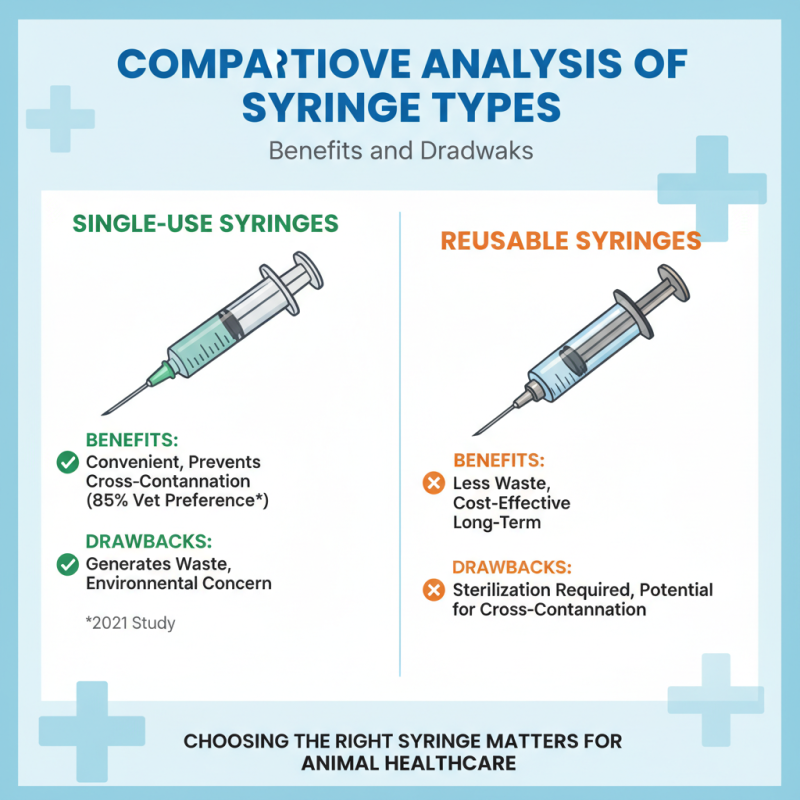
Comparative Analysis of Syringe Types: Benefits and Drawbacks
Choosing the right livestock medical syringe is crucial for effective animal healthcare. Various syringe types exist, each with unique benefits and drawbacks. Single-use syringes are convenient and prevent cross-contamination. A 2021 study found that 85% of veterinarians prefer single-use options for their reliability. However, single-use syringes generate waste, posing an environmental concern that can't be overlooked.
On the other hand, multi-dose syringes allow for administering multiple doses from a single container. While they are cost-effective, research shows they risk contamination if not used properly. Nearly 30% of producers reported issues with maintaining sterility in multi-dose syringes. This reflects a significant challenge in ensuring animal health. Furthermore, an improper choice can lead to injury or distress for livestock, making it critical to weigh pros and cons carefully.
Adjustable dosage syringes offer precision but may be complex for inexperienced handlers. User errors can occur, which could result in overdosing or underdosing. A survey indicated that 40% of animal owners have encountered dosing mistakes due to lack of training. Making an informed choice on syringes is imperative to enhance animal welfare and achieve effective medical outcomes.
Cost-Effectiveness: Long-Term Savings with the Right Syringe Choice
Choosing the right livestock medical syringe can lead to significant cost savings over time. A low-quality syringe might save money initially, but it can lead to complications. With improper dosing, the health of livestock may decline. This can result in expensive veterinary bills and lost revenue from sick animals.
Investing in a durable and reliable syringe is crucial. A high-quality syringe ensures accurate dosing and minimizes waste. When syringes are reliable, they reduce the need for frequent replacements. This translates to fewer trips to suppliers and lower overall costs. However, some users might overlook the long-term benefits while focusing solely on the initial price.
It's also essential to consider how user-friendly the syringe is. Complex designs can lead to errors. Training staff on effective syringe use can also incur costs. Finding a balance between function and ease of use is key. Ultimately, the right choice fosters better health and productivity in livestock. This investment pays off in the long run, impacting profitability.
Why Choose the Best Livestock Medical Syringe for Your Needs? - Cost-Effectiveness: Long-Term Savings with the Right Syringe Choice
| Syringe Type |
Cost per Unit |
Expected Lifespan (Years) |
Maintenance Cost per Year |
Total Cost Over 5 Years |
| Standard Syringe |
$1.50 |
2 |
$10.00 |
$46.00 |
| Heavy-Duty Syringe |
$3.00 |
5 |
$5.00 |
$20.00 |
| Electronic Syringe |
$10.00 |
7 |
$15.00 |
$130.00 |
| Disposable Syringe |
$0.50 |
1 |
N/A |
$50.00 |