How to Choose the Right Veterinary Syringe for Your Pet Care Needs?
Choosing the right veterinary syringe is an essential task for any pet owner. It can significantly impact your pet's health management. A veterinary syringe allows you to administer medications or vaccines accurately. Picking the wrong syringe can lead to complications.
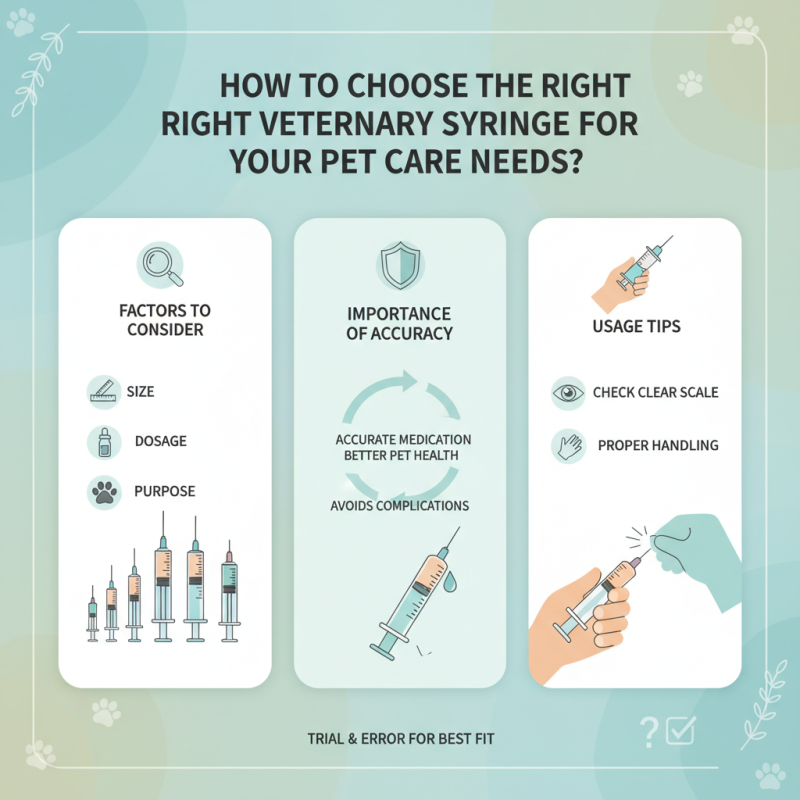
Pet owners often face challenges when selecting the proper syringe. Factors to consider include size, dosage, and purpose. Not all syringes are created equal. For instance, some might not fit well with specific medication bottles. This can create stress during an already anxious time.
Moreover, understanding how to use a veterinary syringe properly is crucial. Improper usage can lead to wasted medication or injury. Always check for features like a clear scale for dosage. Reflect on your choices when purchasing. Sometimes, pet care requires trial and error to find what works best for your furry friend.
Understanding the Different Types of Veterinary Syringes Available
Choosing the right veterinary syringe is crucial for effective pet care. Various types of syringes exist, each designed for specific needs. The most common types include oral syringes, insulin syringes, and luer lock syringes. Understanding these options helps pet owners make informed decisions.
Oral syringes are often used for administering liquid medications directly into a pet's mouth. These syringes can vary in size, typically ranging from 1 ml to 60 ml. Data shows that incorrect sizing can lead to wastage or dosage errors. Insulin syringes, on the other hand, are designed for diabetic pets. They come with finer needles, usually from 26 to 31 gauge. Selecting the appropriate gauge is vital; a finer needle can reduce pain but may affect medication delivery.
Luer lock syringes are versatile and used for injections. Their screw-on tip secures the needle, preventing leaks. However, improper handling can lead to contamination. According to industry reports, nearly 30% of pet owners mishandle syringes, increasing the risk of mishaps. Using a syringe correctly requires practice. Each type of syringe has its own best practices, which should not be overlooked. With proper understanding, the right choices become clearer.
Understanding Different Types of Veterinary Syringes
This chart illustrates the different types of veterinary syringes available and their common uses in pet care. Selecting the right syringe is crucial for effective medication administration.
Key Factors to Consider When Selecting a Syringe for Pet Medication
Choosing the right veterinary syringe is crucial for pet care. One key factor is the syringe size. Different pets require different dosages. A small dog might need a 1ml syringe, while a larger breed may require a 3ml. Selecting the appropriate size ensures accuracy, preventing medication errors that could harm your pet.
Another important consideration is the syringe type. There are oral and injectable syringes. Oral syringes often have a curved tip, making it easier to administer medication directly into the mouth. Injectables need to be sterile and often require a needle. This choice depends on how your pet receives their medication.
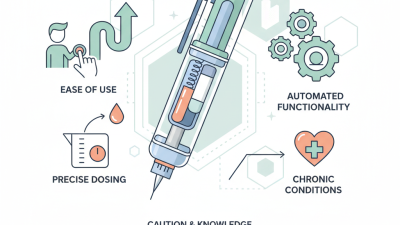
You should also contemplate the ease of use. Some syringes have easy-grip designs, beneficial for those with limited strength. Others may slip from your hand. Pay attention to the volume markings, too. Clear markings ensure accurate dosing. Do not overlook the material. Plastic syringes may not be as durable as those made of more resilient substances. Each factor plays a pivotal role in ensuring your pet receives the best care possible.
How to Choose the Right Veterinary Syringe for Your Pet Care Needs?
| Syringe Type |
Volume (ml) |
Needle Gauge |
Purpose |
Recommended For |
| Standard Syringe |
1 - 60 ml |
18 - 25 |
General Medication |
Cats and Dogs |
| Insulin Syringe |
0.3 - 1 ml |
29 - 31 |
Insulin Delivery |
Diabetic Pets |
| Oral Syringe |
1 - 20 ml |
No Needle |
Liquid Medications |
Puppies and Kittens |
| Luer Lock Syringe |
5 - 60 ml |
18 - 25 |
Intramuscular Injections |
Medium to Large Dogs |
| Safety Syringe |
5 - 50 ml |
18 - 25 |
General Use with Safety Features |
All Pets |
How Syringe Size and Measurement Impact Pet Health Management
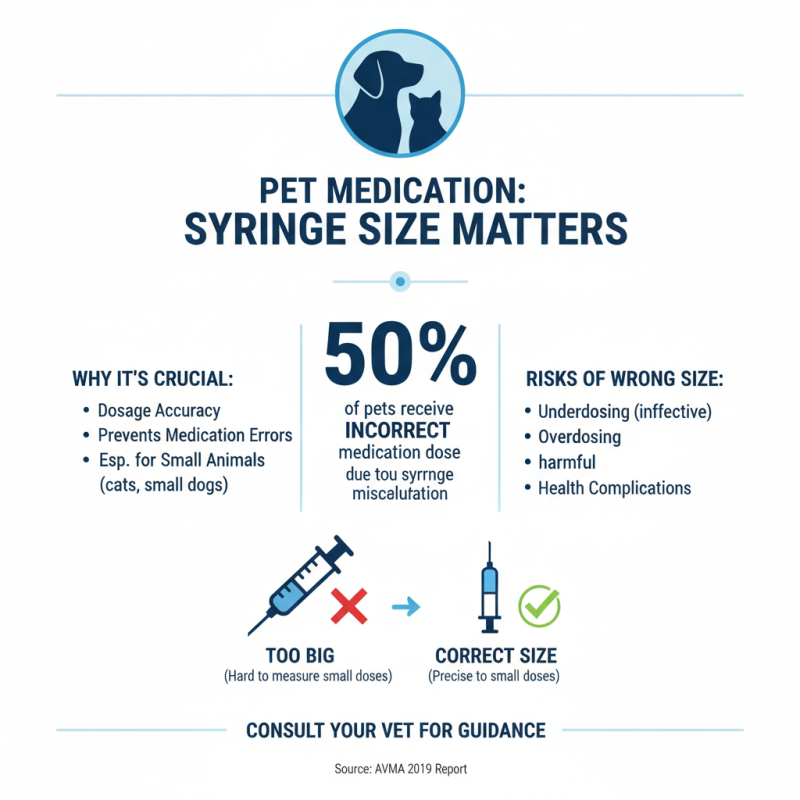
Choosing the appropriate syringe size is crucial in managing your pet's health. Studies indicate that improper syringe selection can lead to medication errors, affecting dosage accuracy. A 2019 report from the American Veterinary Medical Association highlighted that up to 50% of pets did not receive the correct dose due to syringe miscalculations. This can be particularly concerning for small animals like cats or small dogs, where even minor dosage discrepancies can lead to serious health issues.
The size of the syringe impacts not only the accuracy but also the comfort during administration. For example, a larger syringe may be cumbersome for a tiny pet, causing distress. A study by the Journal of Veterinary Medicine found that animals are less anxious when given medications in smaller doses from appropriately sized syringes. It is essential to consider both the volume of medication and the species of the pet when selecting a syringe. Using a syringe that is too large might result in waste, leading to frustration for pet owners and potential under-treatment for pets.
Furthermore, the choice of measuring units can confuse pet owners. Many syringes have either milliliters or cc markings, which can lead to mistakes if not understood correctly. Parents often assume the conversions are straightforward. However, miscalculating these measurements can result in under-dosing or over-dosing. It's crucial to take the time to understand syringe markings and select the proper size for effective pet care.
The Importance of Needle Gauge in Veterinary Syringe Selection
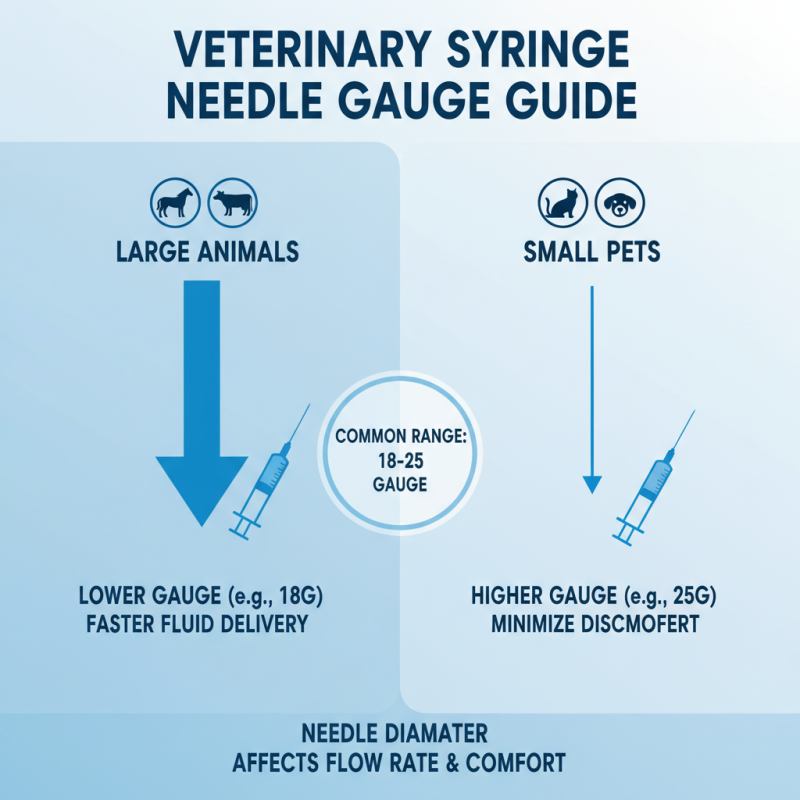
When selecting a veterinary syringe, needle gauge plays a crucial role. The diameter of the needle affects the flow rate and the comfort level for pets. A common standard for veterinary syringes is the use of 18 to 25 gauge needles. For larger animals, a lower gauge, like 18, facilitates rapid fluid delivery. Conversely, smaller pets often require a higher gauge, such as 25, to minimize discomfort during injections.
Research indicates that using the wrong gauge can lead to complications. For instance, a study found that using an improper gauge can increase the risk of tissue damage by 30%. This highlights the need for careful selection tailored to the pet's size and the procedure’s requirements. Many practitioners still report challenges in choosing the right gauge, often leading to patient distress. This inconsistency suggests a gap in training or a lack of understanding among some veterinary professionals.
A well-chosen syringe enhances the efficacy of treatments. It ensures that medications are administered safely and effectively. Aim for the appropriate balance between ease of use and minimizing pain for your pet. Learning about the nuances of needle gauge can be a game changer in veterinary care. Engaging with updated studies can help bridge knowledge gaps for better outcomes.
Proper Usage and Maintenance Tips for Veterinary Syringes
When dealing with veterinary syringes, proper usage is crucial. Always choose the right size for your pet's needs. A syringe that is too large or too small can complicate medication administration. Make sure the syringe is clean and free from any residue before use. This prevents contamination and ensures your pet receives the full dose of medication.
After using a syringe, it must be cleaned immediately. Rinse it with warm water to remove any leftover medication. A thorough cleaning can help maintain the integrity of the syringe. Store syringes in a cool, dry place. They can degrade if exposed to moisture or extreme temperatures. Regularly check your syringes for damage or wear. A cracked or worn syringe can lead to inaccuracies when administering medication.
It's important to reflect on your technique. Are you holding the syringe steadily? Is your pet calm during administration? These factors can significantly impact effectiveness. Mistakes can happen, so be patient with yourself. Learning to use a veterinary syringe properly takes practice and care.