How to Choose the Right Veterinary Syringe for Your Pet?
Choosing the right veterinary syringe for your pet can seem daunting. With various types available, it’s important to understand their functions. A veterinary syringe is crucial for proper medication administration.
The correct syringe ensures accurate dosages. Whether for vaccinations, treatments, or fluids, precision matters. Different sizes are designed for different pets. A small dog might need a smaller syringe than a large cat.
Yet, many pet owners often overlook this detail. They might not realize that a poorly chosen syringe affects their pet’s health. There are many options, and understanding each option is vital. Researching and asking your vet can provide clarity. Don’t underestimate the importance of selecting the right veterinary syringe. Your pet’s well-being relies on it.
Understanding Your Pet's Medication Needs
Choosing the right veterinary syringe is crucial for your pet’s medication needs. Each pet receives different types of medication. This can involve liquids, gels, or even vaccines. Understanding the specific requirements of your pet can set the foundation for choosing the right syringe. For instance, a small dog might need a different syringe size compared to a cat.
Measuring the correct dosage can be tricky. Some pet owners might feel nervous while doing this. But it’s important to stay calm. Your pet can sense your anxiety, which may cause them to resist treatment. Keep an eye on the markings on the syringe. They help ensure accurate dosing. If the markings are too small, consider a syringe with larger, clearer measurements for better visibility.
You may also encounter challenges, such as a pet's refusal to take medicine. In these cases, a syringe with a softer tip can help make the process easier. Reflect on any previous experiences. Did you use a syringe that was too big, too small, or too rigid? Learning from past attempts can lead to more successful medication administration in future treatments. Taking the time to understand what works best for your pet will ultimately improve their health and comfort.
Types of Veterinary Syringes and Their Uses
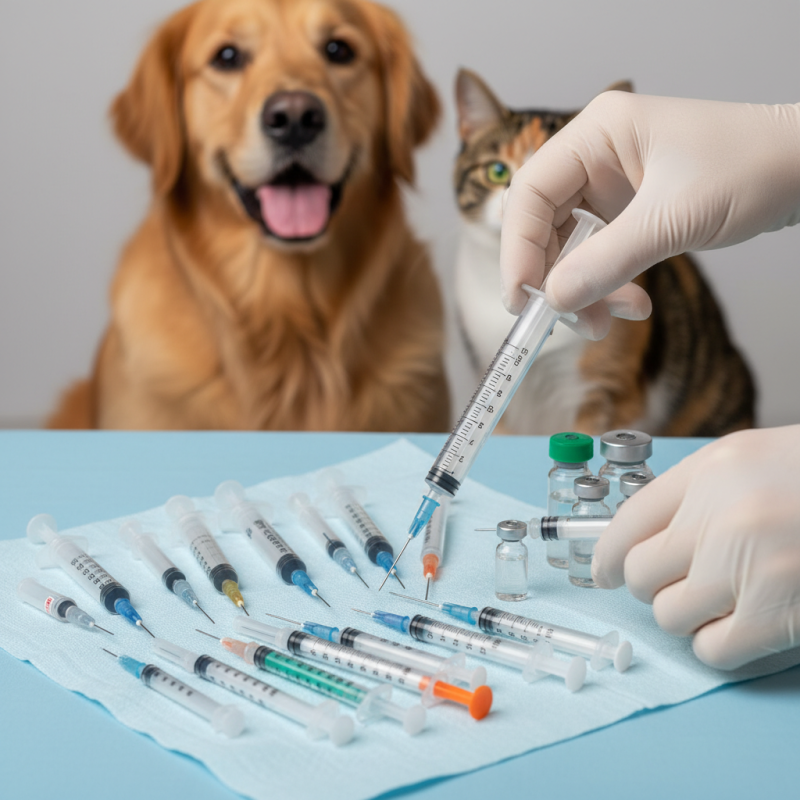
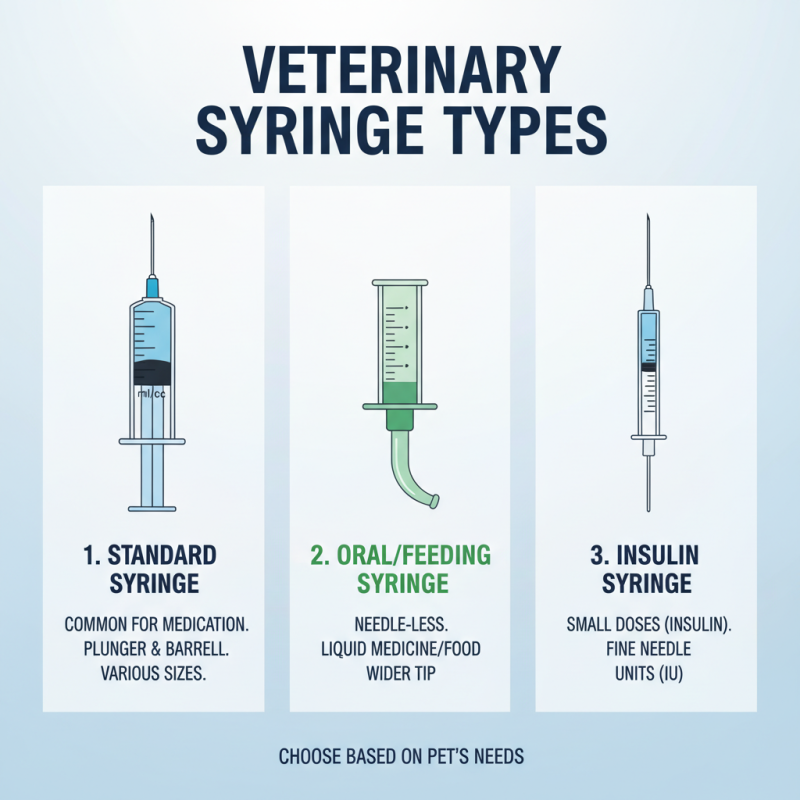
When selecting a veterinary syringe, understanding the types is essential. There are several common types, each serving specific purposes. For example, a standard syringe is often used for administering medications. It usually has a plunger and a barrel. The sizes can vary, so it's crucial to pick one suitable for your pet's needs.
Insulin syringes are designed for diabetic pets. They are small, with finer needles to reduce discomfort. If your pet requires precise doses, this type is a good choice. Then, there are specialized syringes, like oral dosing syringes. They help in giving liquid medications directly into the mouth, making administration easier.
However, it's important to note that using the wrong syringe can lead to errors. Size matters, especially for smaller animals. A syringe that is too large may frighten your pet. Additionally, using a syringe incorrectly can cause pain or stress. Reflecting on these details can ensure your pet receives the care they need without unnecessary discomfort.
Factors to Consider When Choosing a Syringe
Choosing the right veterinary syringe for your pet involves a few critical factors.
Size is essential. Most veterinarians recommend a syringe size between 1cc to 60cc,
depending on the pet’s weight and the medication dosage. A 1cc syringe is ideal for small pets like cats,
while larger breeds may require up to 20cc. Using the correct size ensures accurate dosing and minimizes discomfort during administration.
Material also matters. Syringes made from polypropylene are durable and generally non-reactive.
However, some pets may require syringes with rubber tips for softer application. It’s important to note that certain materials
can interact with specific medications, leading to safety concerns. A study
indicated that improper materials might result in a 15% decrease in medication efficacy.
Another factor to consider is the type of syringe. Luer-lock syringes provide a secure fit for needles,
reducing the risk of leaks. Conversely, slip-tip syringes allow for easier attachment but may not be as secure.
It's essential to evaluate your specific needs and your pet's comfort.
Remember, even minor factors can have significant impacts, so take time to reflect on the best choice for your pet’s health.
How to Properly Use a Veterinary Syringe
Using a veterinary syringe can be intimidating for pet owners. However, with the right approach, it can become a manageable task. Ensure your pet feels comfortable before you begin. Speak softly to them. Pet them gently. This helps reduce anxiety.
When using the syringe, always have the right dosage prepared. Check the instructions carefully. A small error can lead to complications. Hold your pet securely, but not too tightly. It’s important they feel safe. Aim for the side of the mouth, and administer the medication slowly. Patience is key here.
Tips: Use a soft voice to soothe your pet. Always double-check the dosage. If your pet resists, take a break and try again later. It’s okay to ask for help from a vet or a professional. Observing your pet's reactions can help you adjust your technique. Remember, practice makes perfect.
Comparison of Veterinary Syringe Sizes for Different Pet Weights
This chart illustrates the recommended veterinary syringe sizes based on pet weight categories. Choosing the right size ensures accurate dosing of medications.
Maintenance and Storage of Veterinary Syringes
Maintaining and storing veterinary syringes properly is crucial for your pet's health. A recent study indicates that 20% of syringe-related issues stem from improper management. Cleanliness is vital. Always rinse syringes after use. Leftover liquid can lead to contamination.
Tips: Rinse syringes with warm water right after use. It’s quicker and easier. Store syringes in a cool, dry place away from direct sunlight. This prevents the material from degrading.
Periodically check your syringes for signs of wear. Cracks or discolored materials can compromise their performance. In fact, about 15% of users encounter problems due to unnoticed defects. It’s not just about hygiene; it’s about safety. A neglected syringe can harm your pet.
Tips: Keep syringes in labeled containers. This helps avoid confusion, especially with multiple pets. Replace syringes that appear damaged. Your pet's well-being depends on the integrity of the equipment you use.