How to Use Ear Tag for Animal Identification Effectively?
In the animal husbandry industry, effective identification is crucial. Using ear tags is a standard method for livestock management. Dr. John Weller, an expert in animal husbandry, emphasizes, “Ear tag animals provide a simple way to track livestock efficiently.” His insight underscores the importance of proper identification in large operations.
Ear tag animals come in various materials and designs. Selecting the right tag type is important for durability and visibility. Farmers often face the challenge of ensuring the tags remain intact in various environments. Over time, tags can fade or get damaged, leading to potential identification issues. Addressing this problem requires awareness and preparation.
Practices frequently evolve, reflecting changing needs in animal management. It's essential for farmers to continuously evaluate their tagging systems and explore improvements. Despite common practices, errors still occur. Reflecting on these mistakes can lead to better solutions for effective animal identification. Reliable ear tags not only enhance management efficiency but also improve overall farm productivity.

Understanding the Purpose of Ear Tags in Animal Identification
Ear tags serve a vital role in animal identification. Their primary purpose is to ensure accurate tracking of livestock and wildlife. According to the American Association of Bovine Practitioners, proper identification improves herd management and health monitoring. This enables farmers to enhance productivity and ensure animal welfare. Tagging allows for better record-keeping regarding vaccinations, breeding, and health issues.
One common challenge with ear tags is their visibility and durability. In environments with rough weather or active livestock, tags may wear out or become less legible over time. A report from the National Institute of Food and Agriculture noted that the average lifespan of an ear tag can vary significantly based on materials used. Selecting high-quality tags is essential for effective long-term identification.
Tips: Choose colors that contrast with the animal’s skin for easy detection. Check tags regularly for wear. Replace damaged tags promptly to maintain accurate records. These practices can significantly improve the effectiveness of ear tagging in your operation. Tracking each animal serves not only for organization but also builds a foundation for better breeding strategies and overall herd health management.
How to Use Ear Tag for Animal Identification Effectively? - Understanding the Purpose of Ear Tags in Animal Identification
| Animal Type |
Ear Tag Type |
Identification Method |
Durability |
Color Options |
| Cattle |
Plastic Tag |
Printed Number |
3-5 Years |
Yellow, Green, Blue |
| Goats |
Metal Tag |
Engraved Number |
5-10 Years |
Red, Blue |
| Sheep |
Plastic Tag |
Barcoded Tag |
2-4 Years |
White, Green |
| Pigs |
Electronic Tag |
RFID Tagging |
Indefinite |
Yellow, Pink |
| Deer |
Plastic Tag |
Custom Design |
3-6 Years |
Brown, Orange |
Types of Ear Tags Available for Different Animal Species
Ear tags serve as essential tools for livestock identification.
Different animal species require specific types of ear tags.
Cattle often use plastic or metal tags, which are durable and resistant to wear.
Sheep and goats benefit from smaller, lightweight tags.
Swine commonly utilizes tags that attach securely and remain in place.
According to industry reports, about 70% of farms use ear tags for tracking.
This method enhances management efficiency. It helps farmers monitor health records and breeding history.
Ear tags play a crucial role in traceability.
Maintaining a population's health becomes easier with proper identification.
Tips:
Ensure proper placement of ear tags to minimize discomfort.
Regularly inspect the tags for signs of wear.
Consider using color-coded tags for quick identification.
The wrong type may cause issues.
Therefore, evaluate your animals' needs thoroughly before selection.
Understanding specific requirements can lead to better management practices.
Step-by-Step Guide to Properly Applying Ear Tags
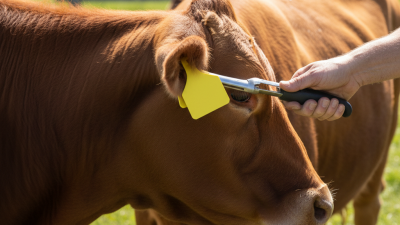
Applying ear tags effectively is crucial for animal identification. Start by gathering all necessary tools. Choose quality tags designed for comfort and durability. Ensure that the tags match the size of the animal’s ear. Before tagging, clean the area around the ear to prevent infections. Position the tag correctly; it should be placed on the cartilage, away from sensitive parts.
Tips for a smooth application: Use a proper tagging gun or pliers, as they provide better control and minimize discomfort. Always apply tags in a calm environment. Stress can lead to unwanted movement, causing mistakes. Monitor the animal post-application; check for signs of irritation or improper placement. If you notice any issues, reassess your technique.
Be mindful that not every animal will react the same way. Some may experience stress or discomfort. The experience might not be perfect every time. It is essential to remain patient and be ready to adapt your method. Regularly check on the tags for wear and tear; replacing damaged tags promptly is vital to maintain accurate identification.
Troubleshooting Common Issues with Ear Tag Identification
When using ear tags for animal identification, issues can arise despite careful application. One common problem is tag loss. Tags may fall out due to poor attachment or animal behavior. To mitigate this risk, ensure that the ear tag is applied correctly. Use appropriate tools and follow the manufacturer’s guidelines closely. Frequent checks on livestock can also help you spot missing tags quickly.
Another common issue is fading or unreadable tags. Environmental factors like sunlight or moisture can affect visibility. Choosing UV-resistant materials can enhance durability and readability. Regular inspections are necessary; replace any tags that show signs of wear. You might also consider using markers or paints to enhance visibility, although this may require additional maintenance.
Finally, confusion during identification often occurs. Ensure staff are trained in tag reading procedures. Poor lighting can also contribute to misreading tags. Implementing better lighting in barns and grazing areas can improve accuracy. Reflecting on your identification strategy can help pinpoint areas for improvement and prevent these issues moving forward.
Animal Identification: Effectiveness of Ear Tags
This chart displays the effectiveness of ear tags for identifying various types of livestock. As illustrated, horses have the highest identification effectiveness at 90%, while pigs have the lowest at 70%.