Why Do Farmers Use Cattle Ear Tags for Livestock Identification?
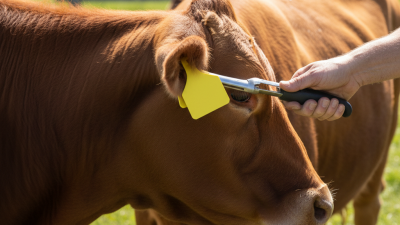
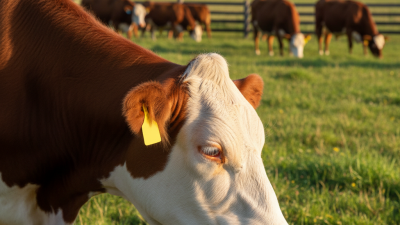
Cattle ear tags are essential for livestock identification. Farmers rely on them to manage their herds effectively. These tags provide a simple way to track each animal. They come in various designs, colors, and sizes, making identification easy for farmers.
In a bustling farm environment, each cow has its unique tag. This identification system helps prevent confusion among livestock. Cattle ear tags often display important information. Details like birth date, health records, and ownership are visible at a glance. The practicality of these tags contributes to better herd management.
Despite their usefulness, the effectiveness of cattle ear tags can vary. Some farmers struggle with durability. Tags can wear out or become unreadable. This highlights the need for ongoing evaluation. Choosing the right material and design is crucial for lasting performance. Farmers must also be mindful of costs associated with replacements. The journey of livestock management often requires constant adjustments and reflections on current practices.
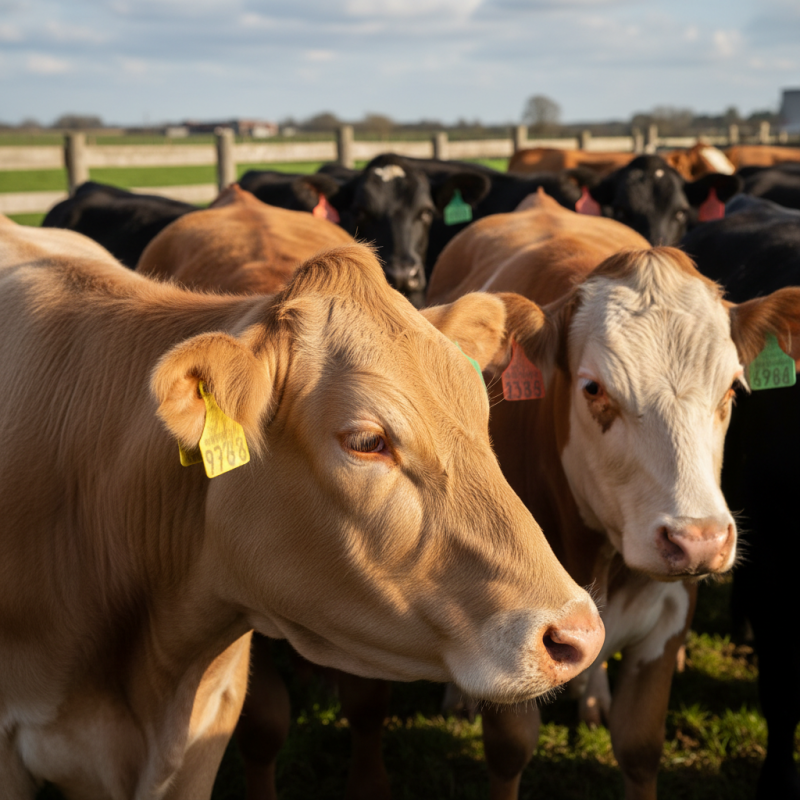
Overview of Cattle Ear Tags in Livestock Management
Cattle ear tags play a crucial role in livestock management. They provide a simple and effective way to identify animals. According to the National Cattlemen’s Beef Association, about 70% of farmers rely on ear tags. This method helps keep records organized. Each tag contains unique identification numbers, making it easier to track health and breeding information.
Ear tags vary in material and style. Some are made of plastic, while others are more durable and weather-resistant. They can include barcodes or RFID technology. Reports suggest that RFID tags improve tracking efficiency by 80%. However, not all farmers have adopted these newer technologies. There are still concerns about costs and practicality. Some tags can fade over time, leading to lost information.
The issue of tag loss is significant as well. Many farmers report struggling with lost tags during harsh weather conditions. Frequent tag replacements can strain budgets. Although ear tags offer essential data, they are not infallible. Finding better ways to ensure durability and affordability is still a challenge in the industry.
Importance of Unique Identification for Livestock
Cattle ear tags are essential for livestock identification. Each tag features a unique number or code. This helps farmers keep track of individual animals easily. Without proper identification, livestock management becomes chaotic. It can lead to confusion during breeding, feeding, and health monitoring.
Unique identification improves herd management. Farmers can monitor animal health and track vaccination history. This is vital for ensuring optimal care. It also helps with traceability in case of disease outbreaks. Yet, relying solely on ear tags has its drawbacks. Tags can be lost or damaged. Their visibility can sometimes be hindered by ear infections or other issues.
Farmers often need to adapt their methods. Some may use additional systems, like electronic identification. However, this comes with costs and complexities. Balancing these methods is important. Effective identification ensures the safety and health of livestock, but challenges remain. The search for a flawless solution continues.
Importance of Unique Identification for Livestock
Unique identification for livestock, such as cattle ear tags, allows farmers to monitor and manage their animals effectively. The above chart illustrates the estimated number of livestock units identified across various types, underscoring the importance of implementing effective identification methods in livestock management.
Benefits of Using Ear Tags for Farmers
Farmers widely adopt cattle ear tags for effective livestock identification. These tags streamline farm management. They provide visual markers, making it easy to recognize individual animals. This is crucial during feeding or health checks. Without tags, farmers may struggle to track their livestock.
Accuracy is improved with ear tags. Each tag carries specific information such as the animal's age or health history. This helps farmers make informed decisions. For example, knowing which animals require vaccinations or breeding can save time and resources. It also enhances herd management efficiency, minimizing errors during daily tasks.
Tips: Regularly check ear tags for wear and tear. Replace damaged tags promptly to maintain clear identification. Ensure that tags are securely attached to prevent loss. This small action can save significant trouble later. Consider using colored tags for better visibility in large herds, especially when checking cattle in the field.
Why Do Farmers Use Cattle Ear Tags for Livestock Identification? - Benefits of Using Ear Tags for Farmers
| Benefit |
Description |
Examples |
| Effective Identification |
Ear tags provide a unique identifier for each animal, facilitating easy recognition and tracking. |
Tag Number, QR Codes |
| Health Monitoring |
Farmers can easily keep records of vaccinations, illnesses, and treatments linked to each tagged animal. |
Vaccination Records, Health History |
| Inventory Management |
Tags assist in monitoring herd size and managing breeding schedules efficiently. |
Breeding Records, Herd Counts |
| Loss Prevention |
Easily identify and recover lost animals with unique tags. |
Lost Animal Recovery, Tracking Services |
| Compliance with Regulations |
Many regions require identification for livestock for tracking disease outbreaks and safety regulations. |
Government Compliance, Traceability |
Different Types of Cattle Ear Tags Available
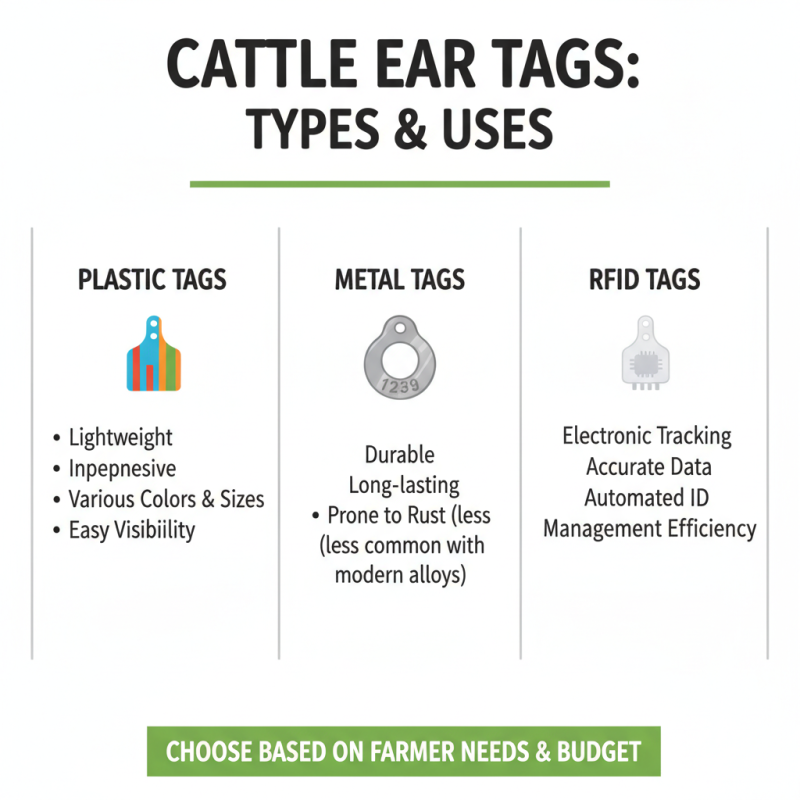
Cattle ear tags are essential for livestock identification. Farmers can choose from various types based on their needs. Some common options include plastic, metal, and RFID tags. Plastic tags are lightweight and inexpensive. They come in different colors and sizes, making them easy to see. Metal tags offer durability but may be prone to rust. RFID tags allow for electronic tracking, which provides more accurate data.
When selecting ear tags, consider the environment. Harsh weather can wear down tags quickly. Also, animals can lose or damage tags easily. Choosing a durable option can save time and money. Bright colors help in spotting livestock from a distance.
Tips: Ensure the tags are applied correctly to avoid discomfort. Check them regularly for any signs of wear. Consider investing in more advanced technology if your herd size increases. This can enhance tracking and management significantly. Remember, each type has its pros and cons. Reflect on what works best for your operation.
Best Practices for Tagging and Maintaining Ear Tags
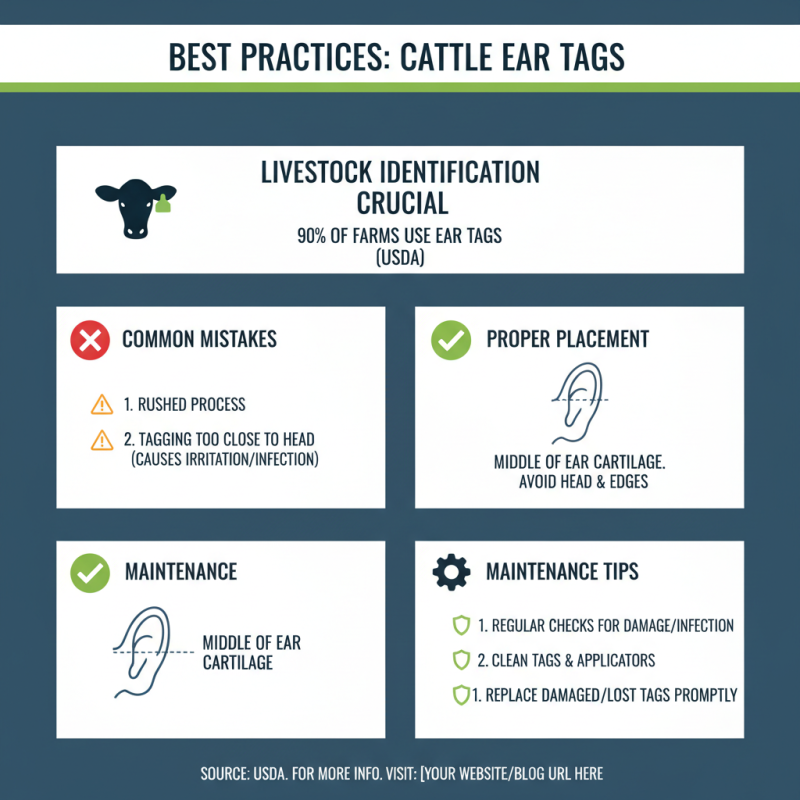
Cattle ear tags are essential for livestock identification. However, proper tagging and maintenance are crucial for ensuring effectiveness. According to the USDA, about 90% of farms use some form of identification. Yet, the tagging process is often rushed and poorly executed. It's important to avoid common mistakes, such as placing tags too close to the head. This can lead to irritation and potential infections.
Maintenance of ear tags is vital for their longevity. Regular checks can prevent loss or damage. Data shows that tags can last up to three years if cared for properly. However, environmental factors can shorten this lifespan. For example, tags exposed to extreme temperatures may become brittle. Keeping records of tag usage and replacements improves tracking.
Proper training for farm staff is also necessary. Many farms overlook the importance of this aspect. Educating workers on best practices can greatly increase tag efficiency. This, in turn, enhances overall herd management. Choosing the right materials and tools can make a significant difference too. Using appropriate tag styles can reduce stress on animals and improve retention rates.