Top 10 Animal Identification Methods You Should Know?
In the world of agriculture and veterinary science, animal identification plays a crucial role. Accurate identification helps in tracking health, breeding, and lineage. According to a report by the American Veterinary Medical Association, nearly 75% of farms utilize some form of animal identification. This underscores its importance in livestock management.
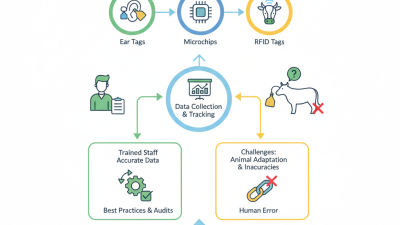
Various methods exist for animal identification, from traditional tags to modern technologies like microchips. Each method has its advantages and limitations. For instance, while ear tags are cost-effective, they can be lost easily. On the other hand, RFID technology improves data accuracy but requires proper infrastructure. A study revealed that 30% of farmers experience challenges with their current identification systems, revealing the need for ongoing research and improvement.
Adopting effective animal identification strategies is essential for enhancing biosecurity and ensuring disease traceability. With globalization, identifying animals quickly can prevent the spread of diseases across borders. This need for efficiency highlights that while advancements are impressive, there remain gaps to address. Identifying these gaps can lead to better practices and more reliable methods in the long run.

Traditional Methods of Animal Identification: Ear Tags and Branding
Ear tags and branding are two of the oldest methods for animal identification. These techniques have been widely used by farmers and ranchers. They help keep track of livestock efficiently. However, both methods come with their own challenges.
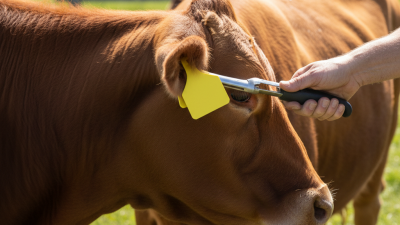
Ear tags are small, colorful plastic tags. They are easily attached to an animal's ear. Each tag has a unique number that identifies the animal. Yet, they can be prone to loss. Tags can fall off or be damaged. This leads to confusion, as tracking becomes harder. Additionally, some animals may experience discomfort from the tags.
Branding, on the other hand, involves marking an animal's skin. Hot or cold branding methods are commonly used. This method creates a permanent mark, making identification easier. However, branding can be painful and stressful for the animals. It's important to consider their welfare and experience.
Finding a balance between effective identification and animal well-being is crucial. Both methods need ongoing reflection and improvement to ensure humane practices.
Biometric Techniques: Utilizing DNA and Fingerprints for Identification
Biometric techniques offer innovative ways to identify animals. DNA analysis is a powerful tool. It provides unique genetic fingerprints for each species. Collecting samples can be simple, yet challenging. Swabbing an animal’s cheek can yield usable DNA. However, obtaining samples from elusive wildlife often requires skill and patience. Not all samples are perfect, leading to possible misidentifications.
Fingerprints, though more commonly associated with humans, have their place in animal identification too. Paw prints can be collected in the wild. Each animal leaves unique patterns. However, many factors can obscure these prints, like water or mud. This adds complexity to the identification process. Relying solely on paw prints can result in errors.
Both techniques have their advantages and challenges. Genetic data can provide definitive answers while prints can be easier to collect. Yet, potential contamination poses risks. The evolving field of animal identification illustrates the need for continuous improvement. Integrating these methods could enhance accuracy and efficacy in wildlife research.
Top 10 Animal Identification Methods Using Biometric Techniques
Electronic Identification: RFID Tags and Microchips Explained
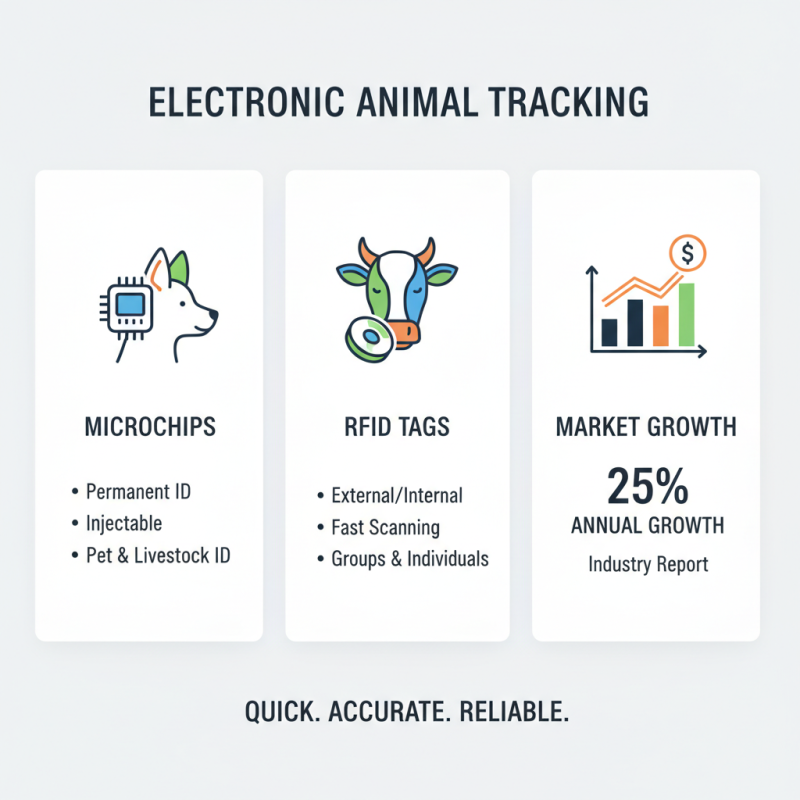
Electronic identification methods, especially RFID tags and microchips, are gaining popularity in animal tracking. These technologies enable quick and accurate identification of animals. According to a recent industry report, the RFID market in animal tracking is expected to grow by 25% annually.
RFID tags are small, often embedded in collars or directly into the skin. They transmit data wirelessly to a reader. This method is efficient for managing livestock and pet ownership. Microchips offer a permanent identification solution. They are inserted under the skin and contain unique identification numbers. Reports indicate that over 50 million pets in the U.S. are microchipped.
Tip: Ensure the microchip is registered in a database. Unregistered chips provide no benefit. Include updated contact information for quick recovery.
Despite the advantages, there are challenges. Not all regions have universal scanning technology. Some microchips may be difficult to read. Additionally, animals may lose collars, rendering RFID tags useless, leading to gaps in identification.
Tip: Regularly check that the RFID tag or microchip is functioning. Routine vet visits can help maintain animal identification. Stay informed about updates in animal identification technologies to ensure the best practices for your pets or livestock.
Visual Identification: Coat Patterns and Physical Markers
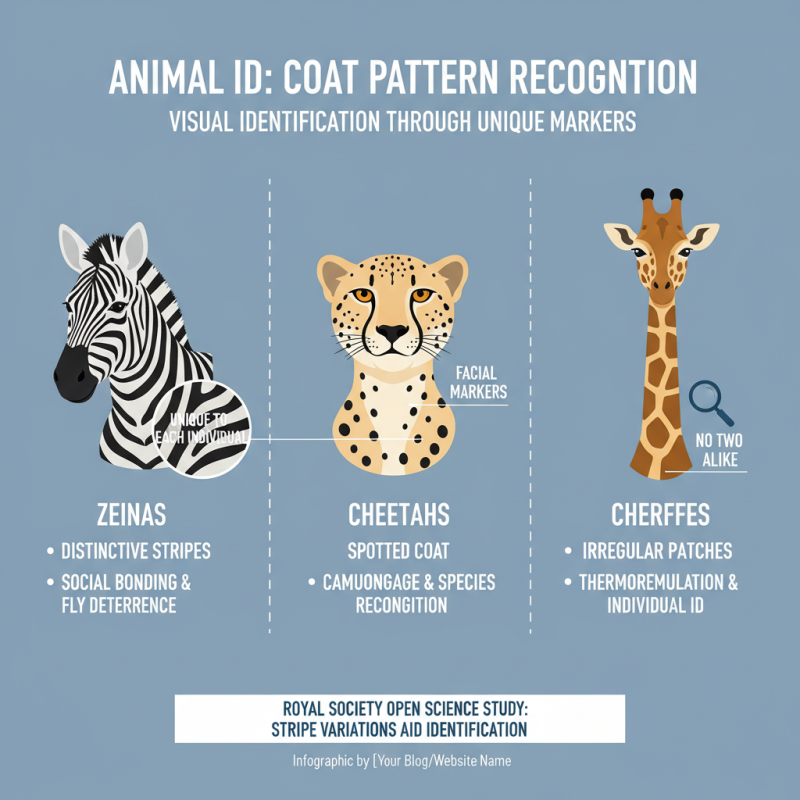
Visual identification through coat patterns and physical markers is crucial in animal identification. Different species exhibit unique patterns that aid in their recognition. For example, zebras possess distinctive stripe patterns. These stripes are not merely for aesthetics; they help in social bonding and may deter biting flies. A study in the journal *Royal Society Open Science* shows that unique stripe patterns can vary significantly among individual zebras, reinforcing their importance for identification.
Additionally, many mammals have physical markers that can be significant. The coat texture, color, and even scars contribute to identifying individual animals. Research indicates that using these visual cues can enhance field studies by up to 40%. However, heavy reliance on visual identification can lead to errors. Factors like lighting conditions and the animal’s behavior may obscure distinguishing features. In environments where animals roam freely, identifying them can become even more challenging. This underlines the need for complementary methods to improve accuracy in animal identification.
Behavioral Analysis: Identifying Species through Unique Behaviors
Behavioral analysis plays a crucial role in identifying animal species. Each species exhibits unique behaviors, helping researchers distinguish one from another. For instance, a recent study revealed that chimpanzees use tools in specific ways that are different from other primates. Feelings and social interactions also vary widely across species, making behavioral traits significant.
Observations can sometimes be misleading. A study highlighted that two species of birds might perform similar mating dances. Without detailed scrutiny, misidentification can occur. The nuances in calls, movements, and feeding habits require careful analysis. According to a report from the Animal Behavior Society, over 30% of wildlife observers failed to recognize common species based on behavior alone.
In the underwater realm, fish demonstrate remarkable patterns that can aid identification. The way a fish swims or interacts with its environment tells a story. Yet, this method is not foolproof. Some species mimic others to survive. Research indicates that up to 25% of marine species show mimicry in behavior, making it challenging for observers. Understanding these details deepens our knowledge of biodiversity.
Top 10 Animal Identification Methods - Behavioral Analysis
| Method |
Unique Behavior |
Example Species |
Key Characteristics |
| Vocalization |
Unique calls and sounds |
Birds |
Songs, calls, and alarm sounds vary by species |
| Social Behavior |
Group dynamics and interactions |
Primates |
Complex hierarchies and communication |
| Feeding Habits |
Preferred food sources |
Herbivores |
Browsers vs. grazers |
| Territorial Behavior |
Defensive displays and marking |
Big Cats |
Roaring and scent marking |
| Migratory Patterns |
Seasonal movement |
Birds |
Long-distance travel for breeding |
| Mating Rituals |
Courtship displays |
Birds |
Elaborate dances or songs |
| Parental Care |
Nurturing behaviors |
Mammals |
Nursing and protection of young |
| Foraging Strategies |
Searching and collecting food |
Insects |
Resourceful methods for finding food |
| Camouflage Techniques |
Blending into the environment |
Reptiles |
Color and pattern matching for survival |
| Communication Signals |
Visual and chemical signals |
Bees |
Dancing to convey foraging information |