Top Livestock Medical Syringe Solutions for Effective Care?
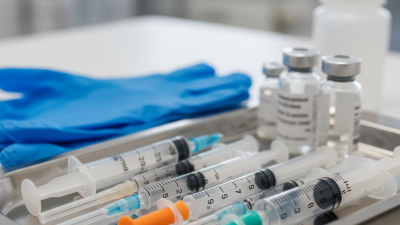
In the realm of livestock care, effective medical treatment is crucial. A reliable tool in this process is the Livestock Medical Syringe. This equipment enables precise administration of medications and vaccines. Utilizing the right syringe can enhance the health outcomes of livestock dramatically.
Choosing the correct Livestock Medical Syringe requires knowledge of various types and their specific uses. Different livestock species may need different syringe designs. Expertise in selecting the right one can lead to better care. Furthermore, considering the quality of materials is vital to ensure reliability during use.
While many syringes offer good solutions, not all are created equal. Some may malfunction, leading to wastage of valuable medications. This highlights the importance of continuous learning and adaptation in veterinary practices. By reflecting on the available options, farmers can improve their livestock care strategies significantly.
Overview of Livestock Medical Syringes and Their Importance
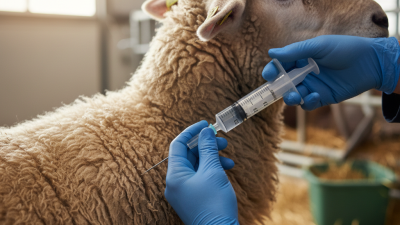
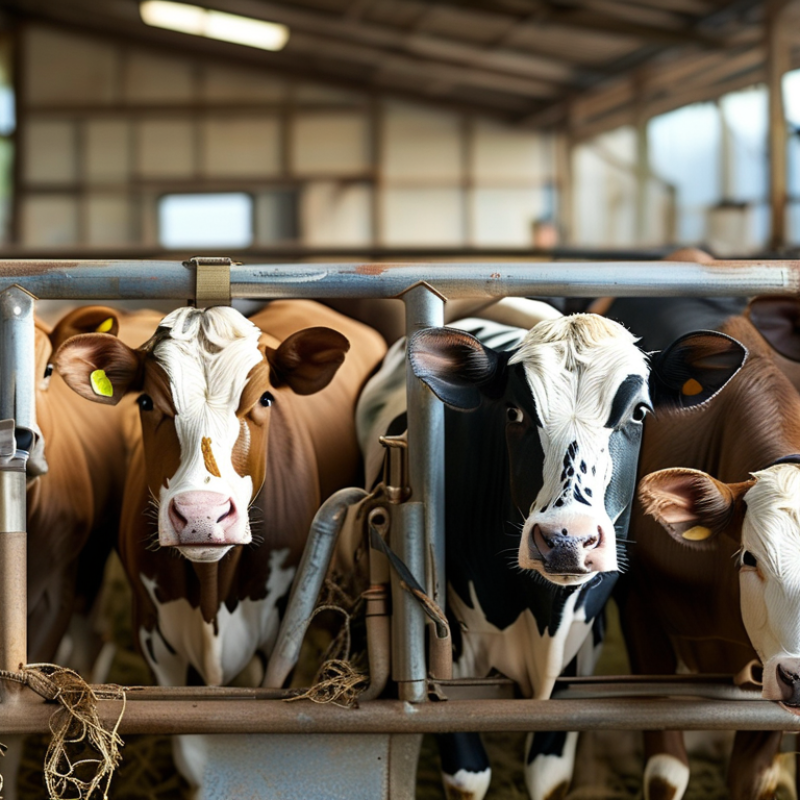
Livestock medical syringes play a pivotal role in animal healthcare. These syringes are specifically designed to administer vaccines and medications. Their accuracy ensures livestock receives the correct dosages. This precision is crucial for maintaining herd health. A small error in dosage can lead to ineffective treatments or adverse reactions.
Selecting the right syringe depends on the species and size of the animal. For larger animals, a heavier-duty syringe is necessary, whereas smaller syringes work for smaller livestock. Additionally, using a syringe that allows for easy grip can enhance the handling process. The ease of use can promote better treatment outcomes, especially in stressful situations. However, improper handling can lead to contamination and infection. Careful training and protocols should be in place to mitigate such risks.
Routine inspection of syringes is essential to ensure their reliability. Damaged or worn-out syringes can compromise animal welfare. Regular maintenance can help prevent such issues. Understanding the specific needs of different species is a part of proactive livestock management. Each animal presents unique challenges that require thoughtful solutions.
Types of Livestock Medical Syringes for Various Applications
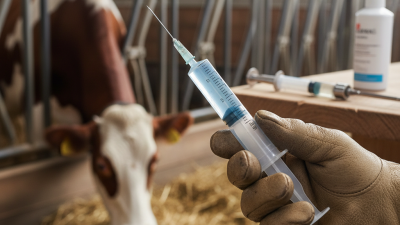
When it comes to livestock care, using the right medical syringe is crucial. There are several types available, each suitable for specific needs. For instance, standard syringes offer versatility for various medications. These are easy to use and can handle different volume requirements. They are commonly used for vaccinations and administering medications.
Another option is the automatic syringe. This type provides precision, especially beneficial for large herds. It allows for quick and accurate dosing, minimizing stress for both the animal and the handler. However, improper handling could lead to waste of medication, prompting reflection on technique.
Some livestock care requires multi-dose syringes. These syringes are designed to administer multiple doses from a single vial. They promote efficiency but require careful cleaning to prevent cross-contamination.
Tips for success: Always choose a syringe that fits the specific application. Pay attention to the animal's size and the medication type. Regularly check for any signs of wear or damage on your syringes to ensure reliability. Practice proper storage to maintain their efficacy.
Key Features to Consider When Choosing a Syringe
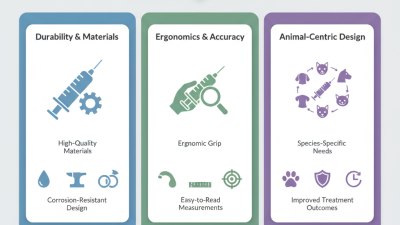
When selecting a livestock medical syringe, several key features should be considered. Precision is vital for accurate dosing. Look for options that allow you to deliver the exact volume needed. An adjustable plunger can help with this. It ensures minimal waste and correct medication delivery. A clear barrel is also important. It allows you to monitor the liquid level easily. Visibility can reduce errors during administration, especially in a busy livestock environment.
Ergonomics play a significant role in usability. A comfortable grip can make a big difference during long procedures. Syringes with textured handles often provide better control. Evaluate the materials used as well. High-quality plastics or stainless steel can increase durability. This is crucial when treating a variety of livestock. Sometimes these syringes endure harsh conditions, making sturdiness essential.
Consider the syringe size and functionality as well. Multiple sizes are necessary for different treatments. A standard size might not work for all animals. Some tasks may require larger capacities, while others need precision syringes. The balance between versatility and specificity is challenging. Finding the right syringe often involves trial and error. Each choice should reflect the needs of your livestock care practices.
Best Practices for Using Medical Syringes in Livestock Care
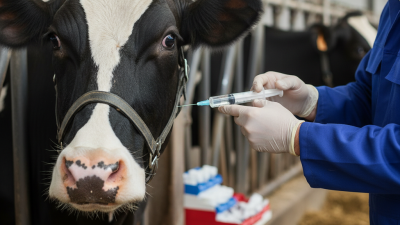
Effective livestock care hinges on proper medical syringe usage. According to the American Veterinary Medical Association, insights from industry reports reveal that correct dosing and delivery can significantly enhance animal health outcomes. Veterinarians recommend using syringes that ensure precision in administering vaccines or medications. Damage to the syringe can lead to dosage errors. Regular inspection of syringes is essential for maintaining reliability.
Training personnel in syringe techniques is vital. Many farms overlook the importance of staff education. Human error accounts for numerous treatment failures. Research shows that well-trained staff can reduce these errors by up to 30%. Employing the right techniques not only boosts effectiveness but also minimizes stress on animals. Proper restraint and handling during injections are crucial factors.
Additionally, observing withdrawal periods is essential. Failure to respect these periods can lead to health risks in livestock products. The European Food Safety Authority emphasizes the importance of adhering to these guidelines. Livestock health is intertwined with food safety standards. Understanding these aspects can help farm operations improve both animal welfare and product reliability.
Maintenance and Sterilization of Livestock Syringes for Longevity
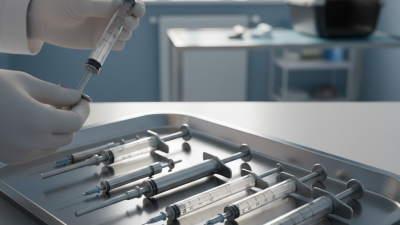
Maintaining and sterilizing livestock syringes is crucial for effective animal care. Proper hygiene extends the lifespan of syringes and ensures safe medication delivery. Using clean syringes reduces the risk of infection and cross-contamination among animals.
Tip: Always inspect syringes for damage before use. Shattered tips or cracks can lead to injury. If you notice any signs of wear, replace the syringe immediately.
For sterilization, a simple wash with warm, soapy water is essential. Rinse thoroughly to remove all soap residues. Afterward, consider using an autoclave for deeper sterilization. This method ensures all pathogens are eliminated effectively.
Tip: Store syringes in a dry, cool place. Avoid exposure to sunlight, which can degrade materials. Regularly check storage conditions to maintain integrity.
Sometimes, people overlook the cleaning of syringes after use. Neglecting this can lead to buildup and contamination. Remember, a minute spent cleaning can save a lifetime of health for your livestock.