Leave Your Message

Top 10 Types of Veterinary Needles for Global Buyers?

Choosing the right Veterinary Needles can influence animal comfort, injection accuracy, treatment efficiency, and staff safety. For global buyers, needle selection involves more than gauge and length. Species, tissue type, medication viscosity, dosage, and handling conditions all matter. A fine needle may suit a small animal, while a larger livestock patient may require stronger construction and deeper reach.

This guide examines the top 10 types of veterinary needles used across clinics, farms, laboratories, and mobile practices. It considers common designs, practical applications, material quality, packaging, and purchasing concerns. Examples include hypodermic, vaccination, blood collection, dental, and specialized needles. Each type serves a different clinical purpose. Small details matter.

Experienced veterinary professionals often compare needle sharpness, hub stability, flexibility, and resistance to bending. They also check sterilization information, batch traceability, shelf life, and manufacturer documentation. These points help buyers evaluate suppliers with greater confidence. However, product performance can vary between brands and production batches. No single needle fits every procedure.

Global purchasing also requires careful attention to regional veterinary standards, import requirements, labeling rules, and approved medical use. Buyers should confirm specifications with qualified veterinary staff and follow local regulations. A low purchase price may hide higher replacement rates, poor handling, or unnecessary animal discomfort. That risk deserves closer review. This overview provides a practical foundation for comparing Veterinary Needles responsibly, while recognizing that clinical judgment remains essential.
Top 10 Types of Veterinary Needles for Global Buyers?

What Veterinary Needles Are and How Their Designs Differ

Top 10 Types of Veterinary Needles for Global Buyers

Veterinary needles are hollow, sterile instruments used to deliver medication, collect blood, or access tissue. Their designs differ according to the animal, procedure, and injection site. Gauge controls thickness. A lower gauge number means a wider needle. Length affects reach and handling. The bevel, or angled tip, influences penetration and tissue response. Short bevels may improve control, while longer bevels can support smoother entry. Hub colors often indicate gauge, but buyers should verify the printed specification.

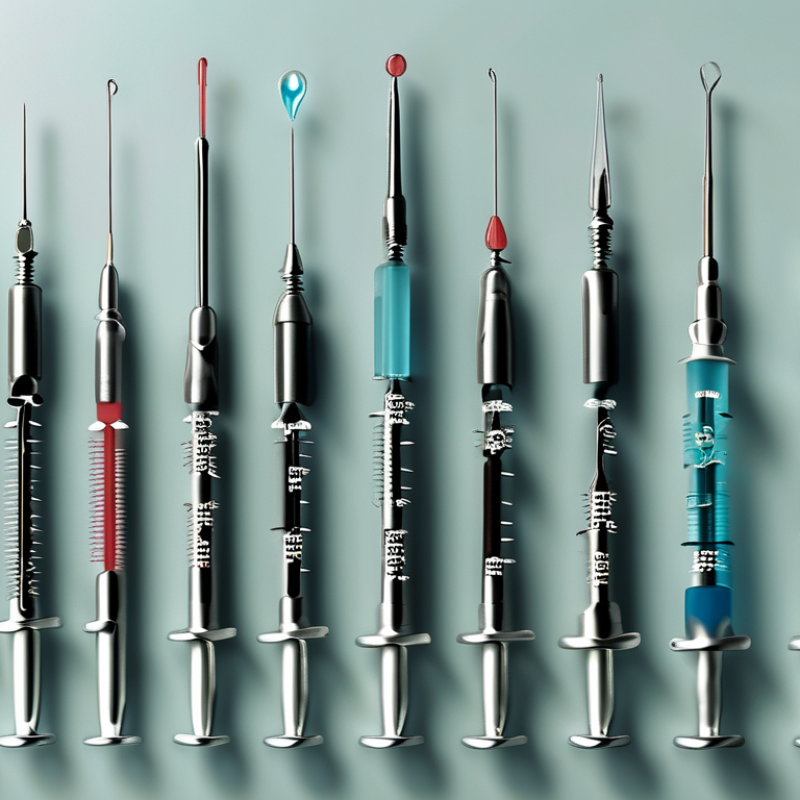
Common types include hypodermic, insulin, dental, winged infusion, biopsy, blood-collection, spinal, epidural, catheter, and large-animal needles. Each design has a different purpose. A winged needle offers flexible tubing for delicate access. A biopsy needle uses a stronger shaft for tissue sampling. Large-animal needles usually require greater length and strength. Hub compatibility also matters. A secure connection reduces leakage during use. No design is perfect. A needle that works well for a calm adult animal may be unsuitable for a small, moving patient.

Tips: Match gauge and length with the species, body site, fluid thickness, and procedure. Check the bevel and hub before opening the package. Follow the product instructions and local veterinary requirements. Keep records of size selection. In practice, small details matter. A rushed choice can cause avoidable discomfort. Experienced staff should also review handling technique, because needle performance depends on both design and use.
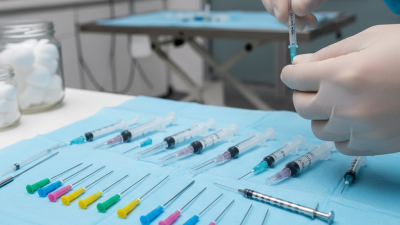
How Veterinary Needles Are Classified by Purpose and Structure

Veterinary needles are not one universal product. Global buyers usually classify them by purpose, then verify structure, animal size, and procedure. Ten common categories include hypodermic, insulin, dental, winged infusion, blood-collection, spinal, epidural, biopsy, catheter, and trocar needles. Each category solves a different clinical problem. A short needle may suit a small-animal injection, while a longer shaft can reach deeper tissue in large livestock. The wrong choice can cause leakage, bending, or unnecessary tissue trauma.

Purpose alone is insufficient. Needle structure includes gauge, shaft length, wall design, bevel shape, hub, and sterile packaging. Thin, fine-gauge needles can reduce discomfort, but thick fluids may require a wider lumen. A three-bevel tip generally supports smooth penetration, although tissue resistance still varies. Winged needles add flexible tubing for controlled access. Spinal and epidural designs use longer shafts and clearer depth control. Biopsy needles may include cutting mechanisms or specialized stylets. Small details matter.

For global purchasing, confirm material compatibility, connector standards, batch traceability, and documented sterilization. Species, restraint conditions, and clinician technique should guide the final specification. The category lines are not perfectly clean. A needle used for aspiration may also support injection, depending on its lumen and hub. Buyers should request dimensional drawings and test samples before large orders. I would not rely on gauge alone; that shortcut often hides poor fit. Clinical protocols and local regulations still require review by qualified veterinary professionals.

Top 10 Types of Veterinary Needles for Global Buyers? - How Veterinary Needles Are Classified by Purpose and Structure

No. Veterinary Needle Type Primary Purpose Structural Characteristics Common Gauge Range Typical Length Range Common Animal Applications Important Buyer Specifications
1 General-Purpose Hypodermic Needle Subcutaneous, intramuscular and some intravenous injections; medication withdrawal and fluid administration. Hollow stainless-steel cannula with a beveled tip and a hub compatible with standard syringes. 18G–25G 10–50 mm Dogs, cats, horses, cattle, sheep, goats and swine. Gauge, cannula length, bevel geometry, hub color coding, sterility, silicone lubrication and connection standard.
2 Fine-Gauge Injection Needle Low-volume injections, superficial injections and procedures where reduced tissue trauma is preferred. Small internal diameter and sharp, usually regular or short bevel designed for precise penetration. 25G–30G 6–25 mm Small companion animals, laboratory animals and selected avian or exotic patients. Lower gauges reduce flow rate; verify compatibility with medication viscosity and required injection volume.
3 Large-Bore Veterinary Needle Rapid fluid delivery, blood collection, aspiration and administration of relatively viscous preparations. Wide-bore cannula that provides higher flow compared with fine-gauge needles; may include a reinforced hub. 14G–20G 25–75 mm Horses, cattle, pigs, large dogs and other large animals. Check flow requirements, wall thickness, resistance to bending, hub strength and intended route of administration.
4 Blood Collection Needle Venipuncture and collection of blood samples for hematology, chemistry, transfusion and diagnostic testing. Hollow beveled cannula configured for syringe collection or evacuated-tube systems; some designs have a double-ended structure. 18G–25G 19–38 mm Dogs, cats, horses, cattle and other domestic or production animals. Tube-system compatibility, hemolysis risk, needle sharpness, blood-flow performance and secure connection.
5 Winged Infusion Needle Set Short-term venipuncture, blood collection and controlled infusion when flexible handling is useful. Thin needle attached to flexible tubing with two wings for manual stabilization and positioning. 19G–27G 13–25 mm needle; tubing length varies by configuration. Small animals, birds, rabbits and patients with small or difficult-to-access veins. Needle security, tubing flexibility, priming volume, clamp design, connection type and protection against accidental dislodgement.
6 Catheter-Over-Needle Assembly Establishment of short-term peripheral intravenous access for fluids, drugs and blood products. Sharp introducer needle positioned inside a flexible catheter; the needle is withdrawn after catheter placement. 14G–26G catheter sizes 19–50 mm catheter length Dogs, cats, horses, cattle and other species requiring vascular access. Catheter material, radiopacity, flashback visibility, needle-bevel design, extension compatibility and safety features.
7 Biopsy Needle Collection of core or fine-needle samples from organs, masses or other tissues for cytology or histopathology. May use a cutting cannula, stylet, spring-loaded firing mechanism or aspiration channel depending on the sampling method. 14G–25G 50–200 mm Small animals, horses and livestock under image-guided or clinical procedures. Sample notch size, cutting tip, stylet fit, depth markings, echogenicity, firing control and reusability status.
8 Aspiration Needle Aspiration of fluids, cyst contents, abscess material or cells for diagnostic evaluation. Hollow cannula designed to connect to a syringe; may have a regular bevel or a specially shaped aspiration tip. 18G–25G 25–90 mm Dogs, cats, horses and livestock for superficial or deeper tissue sampling. Internal diameter, tip sharpness, rigidity, dead space, syringe connection and suitability for cytology or fluid aspiration.
9 Spinal or Epidural Needle Spinal anesthesia, epidural anesthesia, cerebrospinal fluid collection and selected regional procedures. Long, rigid cannula with a sharp or pencil-point tip; often includes a stylet to reduce tissue coring. 18G–25G 50–150 mm Dogs, cats, horses, cattle and other animals requiring neuraxial procedures. Needle length, stylet fit, tip profile, depth markings, rigidity, hub visibility and sterile packaging.
10 Veterinary Dental Needle Local anesthetic delivery for dental nerve blocks and oral surgical procedures. Short or long dental cannula with a sharp bevel and a hub designed for dental syringes or standard syringe systems. 25G–30G 10–40 mm Dogs, cats, rabbits and other small companion or exotic animals. Short-versus-long design, resistance to breakage, hub fit, bevel sharpness, penetration depth and single-use sterility.
Classification note: Veterinary needles are commonly selected by purpose, gauge, length, bevel design, hub or connection type, cannula rigidity, sterility and whether the device is intended for injection, sampling, vascular access, anesthesia or tissue collection. Actual specifications should be matched to the animal species, procedure, medication or sample, and applicable medical-device requirements.

Ten Common Veterinary Needle Types for Different Animal Procedures

Top 10 Types of Veterinary Needles for Global Buyers?

Veterinary needles must match the animal, procedure, medication, and injection site. Common choices include hypodermic needles for routine injections, insulin needles for small-volume dosing, and tuberculin needles for precise intradermal measurements. Dental needles support oral procedures, while spinal needles assist qualified professionals during carefully controlled spinal access. Each type has a different purpose.

Winged infusion needles help clinicians access small or fragile veins, especially during short procedures. Biopsy needles collect tissue samples for diagnostic examination. Aspiration needles remove fluid from cysts, joints, or other selected areas. Suture needles support wound closure, with curved and straight designs suited to different tissues. Trocar needles provide access for certain drainage procedures, but they require strict clinical judgment and training.

Needle size matters. A thin needle may reduce tissue trauma, but thicker liquids can require a wider bore. Needle length should reach the target without passing too deeply. Sharp bevels, secure hubs, sterile packaging, and clear gauge markings support safer handling. Global buyers should review local veterinary standards, packaging rules, and animal-specific requirements before ordering. In real clinics, selection is not always perfect; coat thickness, movement, and vein visibility can change the decision. That uncertainty deserves attention. Veterinary teams should inspect every package, confirm sterility, and discard damaged or contaminated needles according to approved procedures.

How to Choose Needle Gauge, Length, Tip, and Material

Veterinary needle selection begins with the animal, procedure, and injection site. Common categories include hypodermic, insulin, dental, biopsy, blood-collection, spinal, winged, and catheter needles. Gauge controls diameter. A higher gauge means a thinner needle. Thin gauges may reduce tissue trauma, while wider gauges support thicker fluids and faster delivery. Always follow the veterinarian’s protocol.

Length matters as much as gauge. A short needle can suit shallow subcutaneous injections in small animals. Longer needles may be necessary for muscular tissue or larger patients. However, excessive length increases placement risk. Measure the target tissue, not just the animal’s body size. I have seen buyers choose by package appearance alone. That approach is unreliable.

Tip design affects control and comfort. Regular bevels support routine injections, while sharper tips can improve penetration through tough tissue. Blunt tips may suit specific transfer or access tasks, but they are not universal substitutes. Stainless steel is widely selected for strength, corrosion resistance, and predictable sharpness. Some needles use silicone or other coatings to reduce drag. Check coating compatibility with the medication and sterilization method. Inspect every needle for burrs, bent shafts, damaged packaging, or uncertain sterility. Small defects matter. Animal movement, fluid thickness, and clinician technique can change the best choice. Recheck the selection when conditions change.

What Global Buyers Should Evaluate Before Ordering Veterinary Needles

Global buyers should evaluate veterinary needles by procedure, animal size, tissue depth, and handling conditions. The common ten categories include hypodermic, vaccination, intradermal, insulin, blood-collection, dental, biopsy, catheter, curved, and blunt-fill needles. Each requires a different gauge, length, bevel, hub, and material. A 25-gauge needle may suit a small animal injection, while large livestock often requires a wider bore and longer shaft. The choice is practical, not decorative.

Demand is becoming more complex. The OECD-FAO Agricultural Outlook 2024-2033 projects global meat production to grow about 12% by 2033, compared with the 2021-2023 average. More animals and larger supply chains increase the need for consistent veterinary injection equipment. Buyers should check sterility validation, batch traceability, packaging integrity, and shelf-life records. ISO 9626 is relevant for stainless-steel needle tubing, while ISO 10993 supports biological safety evaluation. These documents do not replace product testing.

Animal welfare also matters. WHO, FAO, UNEP, and WOAH state in their One Health Joint Plan that around 60% of emerging infectious diseases originate in animals. Needle sharpness, smooth bevels, and secure hubs can reduce tissue trauma and accidental separation. I would not trust a catalogue photograph as proof. Request samples and inspect them under real clinic conditions. A cheaper needle may bend, leak, or cause uneven dosing. That mistake is expensive. Even experienced purchasing teams can overvalue price and undervalue operator feedback.