Leave Your Message

The Ultimate Guide to Chicken Injectors for Perfectly Seasoned Poultry?

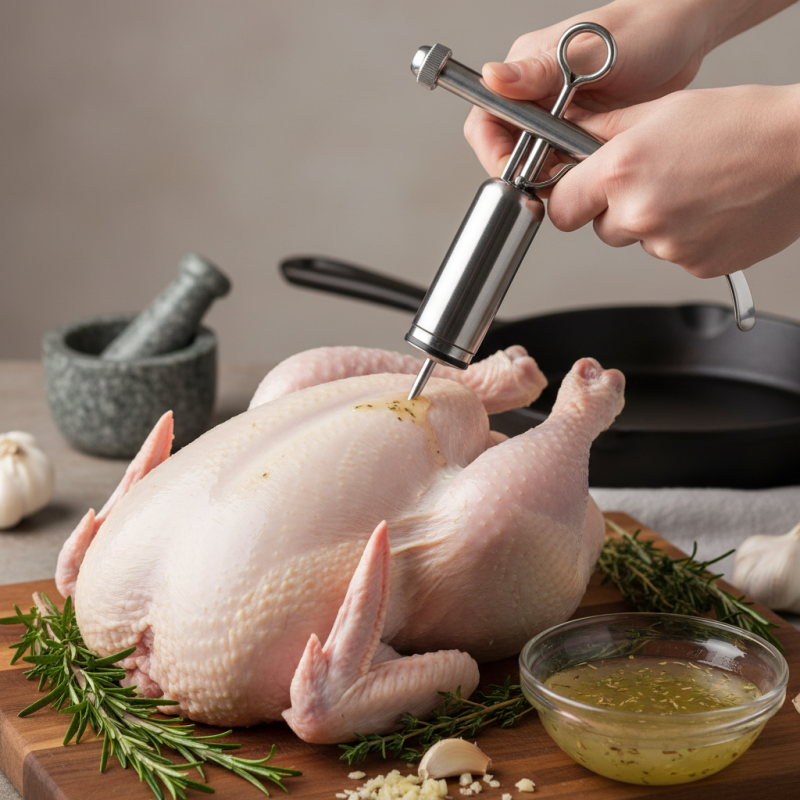
When it comes to cooking poultry, achieving the perfect flavor can be a challenge. A Chicken Injector can elevate your culinary game significantly. This handy tool allows you to infuse marinades directly into the meat, resulting in juicy and flavorful dishes. Imagine a tender chicken breast bursting with rich herbs and spices with every bite.

Using a Chicken Injector can feel intimidating for beginners. It requires practice to master the technique. Some may over-inject and create a mess; others may not inject enough. But don’t be discouraged. Experimenting with various marinades and techniques can lead to incredible results.

Investing time in learning how to use this tool effectively is worthwhile. By distributing flavors evenly, a Chicken Injector transforms your cooking experience. The right technique can bring your poultry dishes to a whole new level. Embrace the journey of flavorful cooking with a Chicken Injector, and uncover the secrets to perfectly seasoned poultry.
The Ultimate Guide to Chicken Injectors for Perfectly Seasoned Poultry?

Understanding Chicken Injectors: Types and Functions

The Ultimate Guide to Chicken Injectors for Perfectly Seasoned Poultry?

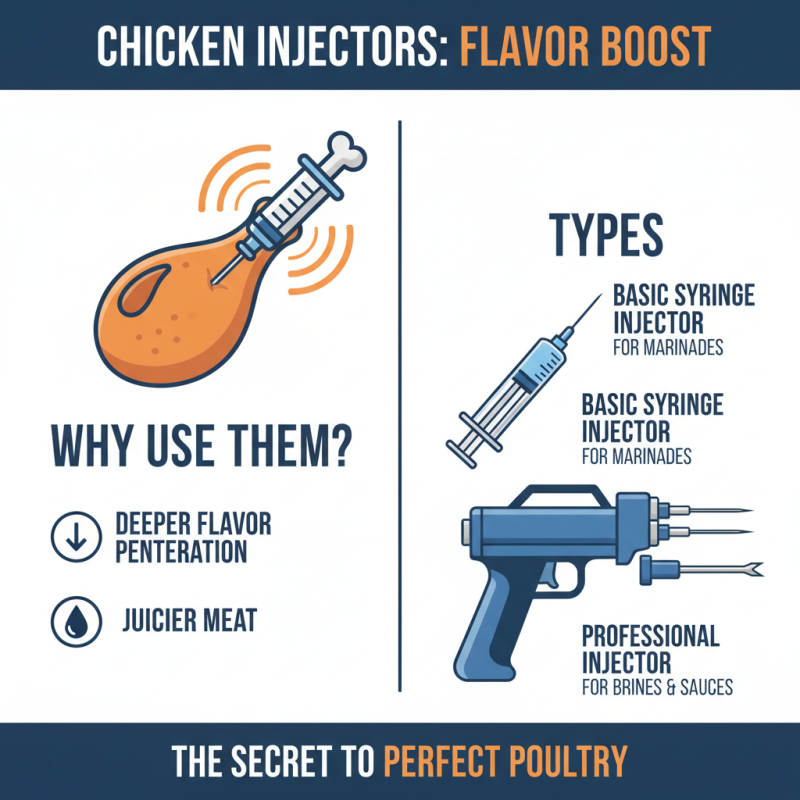
When it comes to seasoning poultry, chicken injectors are invaluable tools. They come in various types, each designed for different purposes. A basic injector typically features a syringe-like design with a needle for injecting marinades directly into the meat. This allows for deeper flavor penetration, which is crucial for achieving that perfect taste.

Some injectors have multiple needles, allowing for faster injections of larger volumes. Others are made with specialized designs to handle thicker sauces or brines. Using the right type can make a difference. However, not all injectors deliver consistently good results. It’s easy to overdo it, leading to an overly salty or unbalanced flavor. Experimenting with different techniques might be necessary.

Choosing an injector also requires consideration of the material. Stainless steel is durable and easy to clean, while plastic models may be lightweight but less reliable. No matter which you choose, practice is essential. The process may seem straightforward, yet improper use can yield disappointing outcomes. Taking time to refine your technique will help you achieve flavorful poultry.


Choosing the Right Injector: Size, Material, and Features

When selecting a chicken injector, size is key. A larger injector allows for bigger amounts of marinade. However, it can be heavy and cumbersome. Smaller injectors are easier to handle. They can fit into tight spaces and are perfect for home cooks. Consider your cooking style before making a choice.

Material matters too. Stainless steel is durable and easy to clean. Plastic injectors can break and are less effective. Look for features like multiple needles, which allow for different marinades. A wide needle is great for chunky sauces, while a fine needle works well for liquids.

Even with a fancy injector, there can be pitfalls. You might find uneven flavor distribution. Over-injecting can lead to tough meat. Some cooks complain about the mess. Reflect on your technique. Practice will lead to better results.

The Ultimate Guide to Chicken Injectors

This chart illustrates the average size, material, and features of various chicken injectors available in the market, which can help in choosing the right injector for perfectly seasoned poultry.

How to Prepare Marinades for Injection: Tips and Techniques

The Ultimate Guide to Chicken Injectors for Perfectly Seasoned Poultry?

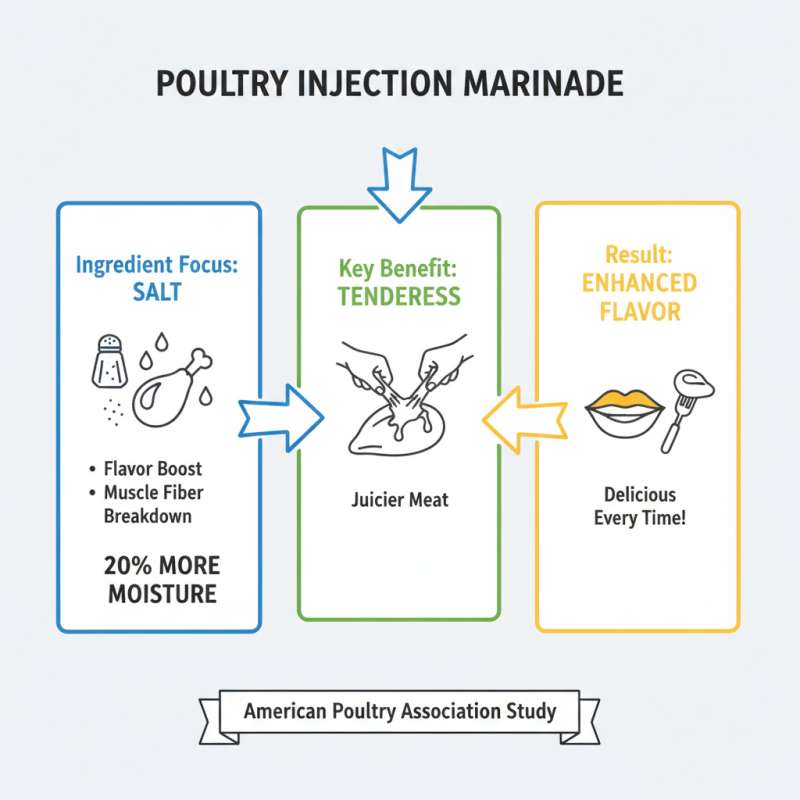
Preparing marinades for injection can significantly enhance the flavor of poultry. To do this effectively, one must understand the right balance of ingredients. A study by the American Poultry Association shows that marinades with a high salt content can improve moisture retention in meat by up to 20%. Salt not only adds flavor but also helps break down muscle fibers. This process leads to a tender, juicy result.

Creating an ideal marinade involves careful consideration of flavor profiles. Acidic ingredients like citrus juice or vinegar are crucial for flavor infusion. They can also tenderize the meat, making it more palatable. However, an excess of acid can lead to mushiness. It's important to experiment and find the right balance. According to culinary expert reports, a marinade with 1:1:1 ratios of acid, oil, and seasonings often yields promising results.

Consider adding herbs and spices for enhanced flavor. Fresh herbs often provide a more vibrant taste compared to dried ones. Yet, it’s critical not to overdo it. Sometimes, simpler is better. Keeping a watchful eye on the marinade's infusion time is essential. Over-injecting can lead to uneven seasoning, while under-injecting may leave some areas bland. Each poultry piece is unique, and adjustments may be necessary based on thickness and type.

Step-by-Step Guide to Injecting Chicken for Maximum Flavor

Injecting chicken can elevate its flavor and moisture. Studies suggest that marinating is effective, but injecting provides a quicker and deeper infusion of seasoning. An industry report indicates that properly injected chicken can be up to 30% juicier than non-injected poultry. This technique allows flavors to permeate throughout the meat rather than sitting on the surface.

To begin injecting, choose a marinade rich in herbs and spices. Mix it well to ensure even distribution. Use a syringe designed for meat injection. Insert the needle deep into the chicken, injecting slowly to avoid tearing the meat. Inject in multiple spots to ensure even flavor. Aim for about one ounce of marinade per pound of chicken. For those new to this technique, trial and error will be necessary. Some may find their results uneven or overly salty. It's essential to adjust your marinade strength based on your chicken's size and your personal taste preferences.

Injecting can lead to flavor overload if not balanced well. Overwhelming flavors can mask the natural taste of the chicken. This is a common mistake among beginners. Sometimes, less is more. So, keep experimenting. Don't hesitate to tweak your approach. Each chicken breast you inject could teach you something new.

Cleaning and Maintaining Your Injector for Longevity

Cleaning and maintaining your chicken injector is crucial for its longevity. After each use, ensure you clean it thoroughly. Residue can build up inside the injector. This could affect future flavor injections. Use warm, soapy water for washing. A small brush can help reach tight spots.

While cleaning, inspect your injector for damage. Check for cracks or blockages. Even the smallest crack can lead to leaks. If you find damage, consider repairs or replacements. A faulty injector doesn’t serve its purpose well.

Tips for maintenance include using only food-safe oils for lubrication. After cleaning, apply a thin layer to the moving parts. This helps them operate smoothly. Store your injector in a dry place. Moisture can lead to rust or mold growth. Remember to check it regularly. A little diligence goes a long way in preserving your injector's performance.

The Ultimate Guide to Chicken Injectors for Perfectly Seasoned Poultry

Injector Type Needle Size Material Capacity (mL) Cleaning Method
Manual Injector 14 gauge Stainless Steel 60 Warm, soapy water
Electric Injector 16 gauge Plastic 100 Dishwasher safe
Handheld Injector 18 gauge Aluminum 30 Rinse and dry
Syringe Injector 20 gauge Glass 20 Sterilize with alcohol