2026 How to Use an Auto Syringe Effectively and Safely?
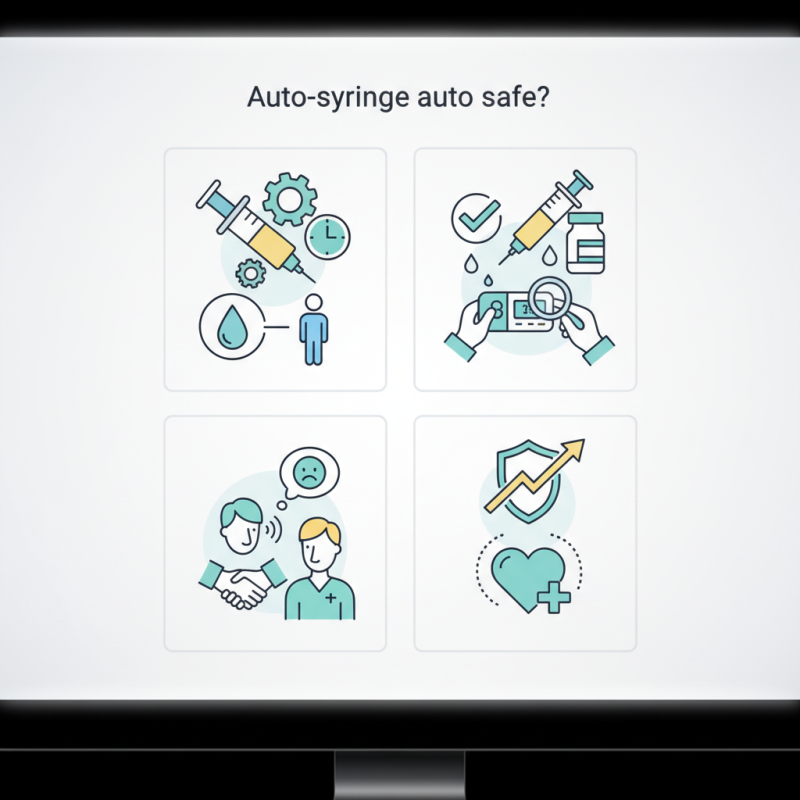
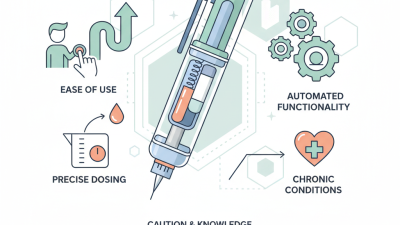
Using an Auto Syringe effectively and safely is essential for medical professionals and caregivers. The Auto Syringe allows for precise medication delivery. However, misuse can lead to complications. Understanding the components is crucial for its proper operation.
When using an Auto Syringe, always ensure it is clean and ready for use. Check that the medication is appropriate for the patient. Mistakes can happen. Incorrect dosages can be dangerous. Focus and attention are key when administering medication through this device.
Consider the patient's comfort and emotional state during the process. Auto Syringes can seem intimidating. It's important to communicate clearly with the patient. Be aware of your own stress levels. This device should be an aid, not a source of anxiety. Aim for improvement and strive for safety in every use.
Understanding the Basics of Auto Syringes and Their Uses
Auto syringes are innovative devices designed for precise and efficient medication delivery. They commonly utilize pre-filled cartridges for easy use. According to industry reports, the global auto-injector market is expected to reach $53 billion by 2027. This growth reflects their increasing adoption across various therapeutic areas, particularly in the management of chronic diseases.
Understanding the basics is crucial for safe usage. Users must grasp the mechanism of the auto syringe to ensure accurate dosage. Training is vital; improper handling can lead to dosage errors. In one study, nearly 30% of patients reported difficulty in using auto-injectors correctly. Attention to detail is necessary. Users should regularly check the device for damage and ensure cleanliness before use. These steps significantly reduce risks associated with contamination or malfunction.
While auto syringes offer convenience, challenges remain. Not all patients feel confident using them. Some may experience anxiety at the thought of self-injection. Others might overlook the importance of following the provided guidance. Addressing these concerns can lead to better patient outcomes. User feedback is essential for improving design and functionality. The industry must remain open to this feedback to evolve continuously.
Step-by-Step Guide to Safely Filling an Auto Syringe
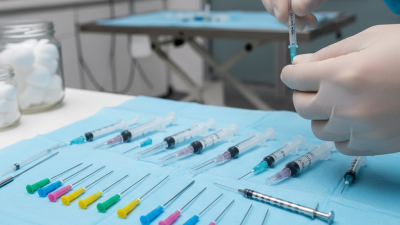
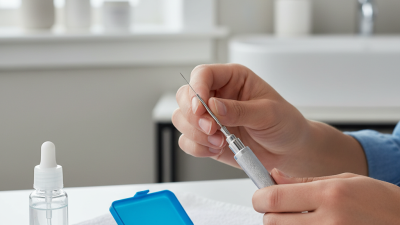
Filling an auto syringe requires careful preparation. Start by gathering all necessary materials. You’ll need the syringe, medication, and alcohol swabs. Ensure your workspace is clean. A clutter-free area minimizes distractions.
Clean the syringe tip with an alcohol swab. This step is crucial for preventing contamination. Then, carefully draw the medication into the syringe. Do this slowly to avoid air bubbles. If bubbles form, gently tap the syringe to release them.
Rechecking your work is essential here. It's easy to miss tiny details.
Once filled, check the dosage carefully. Ensure that it matches the required amount. Double-checking helps avoid mistakes. Some users say they feel rushed during this step. Taking the time to verify can make a difference.
Finally, dispose of any needles or swabs responsibly. Keeping everything safe and clean matters.
Best Practices for Administering Medication with an Auto Syringe
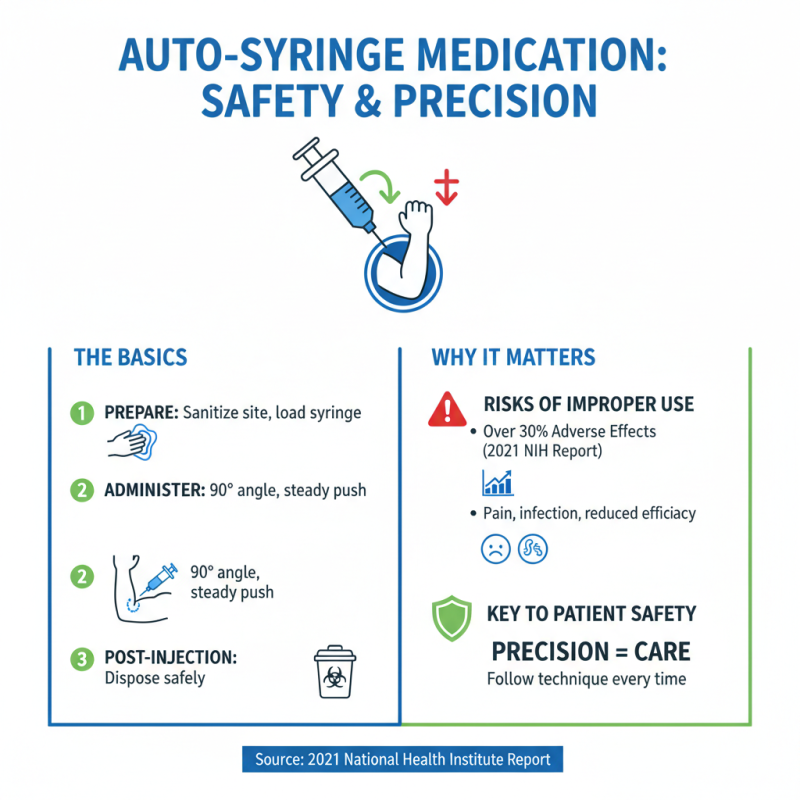
Administering medication with an auto syringe can seem straightforward, but it requires precision and care. According to a 2021 report by the National Health Institute, improper administration can lead to adverse effects in over 30% of cases. Understanding the proper technique is crucial for ensuring patient safety.
Before using the auto syringe, familiarize yourself with the device. Check the expiration date of the medication. Ensure that the syringe is clean and sterile. Find a comfortable position for both you and the patient. This reduces anxiety and promotes better outcomes. Practice makes perfect; even experienced users should periodically review proper techniques.
The angle of injection is vital. A 45 to 90-degree angle is often ideal, depending on the medication type. Proper site selection can minimize discomfort. Be aware of each patient’s unique needs. Some individuals may react differently to the same medication. Always observe for signs of complications, such as swelling or redness. These details matter.
Essential Safety Precautions When Using an Auto Syringe
Using an auto syringe can be beneficial for accurate medication delivery, but safety is paramount. Essential safety precautions begin with proper training. A 2023 report from the Clinical Administration Board highlights that 30% of medication errors occur due to improper handling. Training ensures familiarity with dosage and mechanism.
Always inspect the syringe before use. Check for any defects or damage. A flawed syringe can lead to serious complications. According to the Medical Device Safety Research Institute, 45% of adverse events relate to device malfunction. Keep the area clean and sanitized to prevent infections. Practice safe disposal methods to avoid needle-stick injuries.
In practice, maintain a steady hand. Anxiety can lead to mistakes. A survey indicated that 25% of users felt nervous during administration. Taking deep breaths can help. Always have a partner nearby, especially for the first few uses. Support can enhance confidence and ensure immediate help if issues arise. Auto syringes are useful, but safety must always come first.