What is a Veterinary Syringe and How to Choose One?
In the world of veterinary medicine, choosing the right equipment is crucial for animal care. One essential tool is the veterinary syringe. Renowned veterinarian Dr. Emily Foster emphasizes, "The right syringe can make all the difference in administering medication." This statement highlights the importance of selecting appropriate tools.
Veterinary syringes come in various types and sizes, designed for specific tasks. They enable precise dosing and help ensure the safety of pets during treatments. Factors like gauge, capacity, and material should be considered when choosing a syringe. It can be challenging to navigate the options available. Familiarity with the different designs can enhance the process.
Inaccurate syringe selection can lead to issues like incorrect dosing or discomfort for the animal. A deeper understanding of veterinary syringes can aid pet owners and professionals alike. Ultimately, informed choices lead to better outcomes in veterinary practice.
What is a Veterinary Syringe?
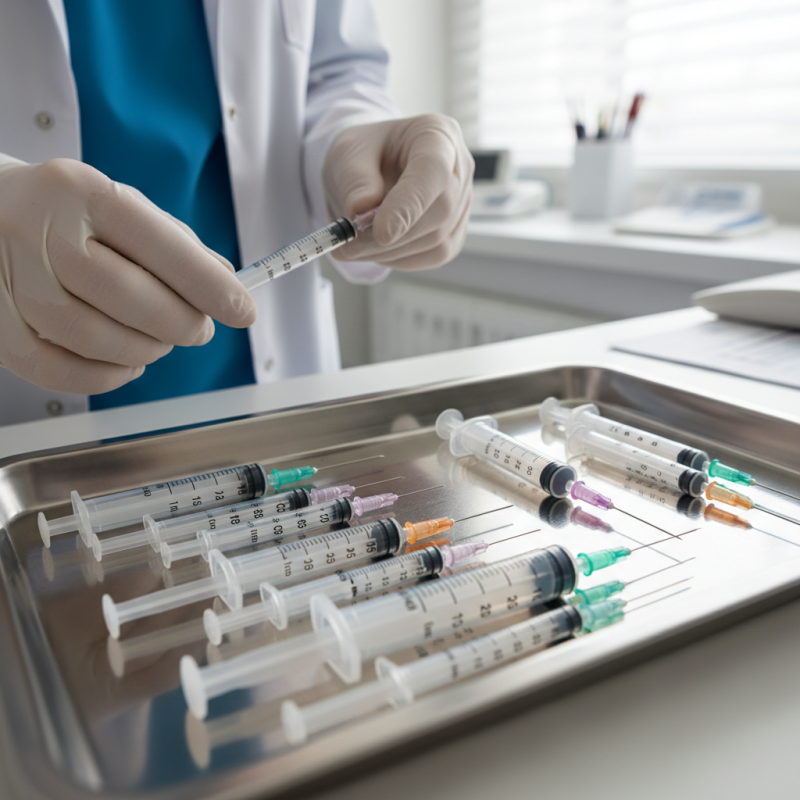
A veterinary syringe is a crucial tool in animal healthcare. It is designed to deliver liquids, whether for medication or vaccinations, directly into an animal’s body. These syringes come in various sizes and styles, catering to different animal species. Research indicates that the veterinary syringe market has seen a growth rate of approximately 4.5% annually, reflecting the increasing demand for pet healthcare services.
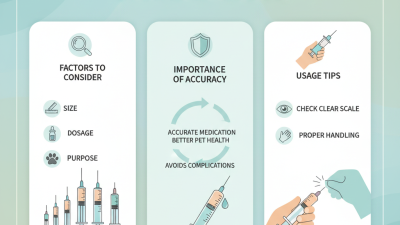
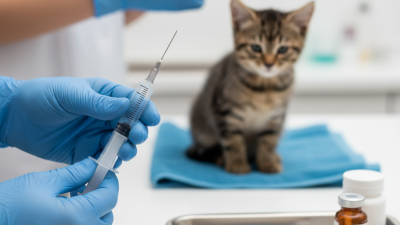
Choosing the right veterinary syringe is significant for effective treatment. Factors include the volume needed, the type of fluid, and the size of the animal. A small syringe might suffice for a cat, while larger sizes are needed for dogs or livestock. The wrong needle gauge can lead to pain or inadequate dosing, which can affect treatment outcomes. According to the American Animal Hospital Association, improper administration can result in complications that delay recovery.
Not all syringes are created equal. Some may not provide precise dosages, while others may cause discomfort to the animal. It is essential for veterinarians to consider the animal's unique needs. Over-reliance on a specific type of syringe might lead to missed opportunities for better alternatives. Balancing ease of use with the animal's comfort is critical for successful healthcare delivery.
Types of Veterinary Syringes Available
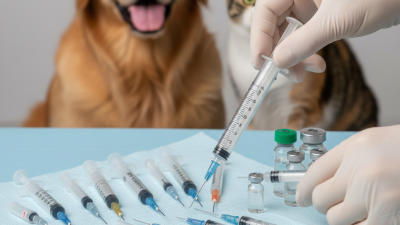
Veterinary syringes come in various types, each serving specific needs in animal healthcare. The most common types include insulin syringes, luer-lock syringes, and oral dosing syringes.
Insulin syringes are ideal for diabetic pets. They feature a fine gauge, allowing precise dosages for delicate treatments. Luer-lock syringes are versatile, used for injections and drawing fluids, which is essential for veterinarians.
Oral dosing syringes are designed for administering liquid medications directly into an animal's mouth. A study published in the Journal of Veterinary Medicine highlights that the correct choice of syringe can significantly impact the efficiency of medication delivery to pets. For example, using the right gauge can minimize discomfort.
Tips: Always choose a syringe that aligns with your animal's specific medical requirements. Ensure its compatibility with the medication type. Additionally, keep the syringe clean and store it properly to avoid contamination. It’s always advisable to consult a veterinarian when unsure about the appropriate syringe type.
Consider the size and comfort when handling syringes. Many pet owners struggle with using syringes effectively. Sometimes, syringes can be too large or too small for certain pets. This can lead to wasted medication and increased anxiety for the animal. Being aware of your pet's needs can enhance the medication process.
Key Features to Consider When Choosing a Syringe
Choosing the right veterinary syringe can significantly affect treatment outcomes. There are several key features to consider. First, gauge size is crucial. For small animals, a finer gauge is essential to minimize discomfort. According to veterinary studies, injections using smaller gauges lead to less tissue trauma and faster recovery rates.
Another important aspect is the syringe type. Standard syringes are adequate for most applications, but specialized syringes may be necessary for certain medications or procedures. A report from the Journal of Veterinary Emergency and Critical Care highlights that precise delivery systems can reduce dosing errors by up to 30%. This is vital for critical care situations.
Tips: Always verify the volume capacity needed for the specific treatment. A syringe that holds too much can cause wastage and may complicate dosing. Regularly review your stock for expiration dates and ensure you have a variety of gauges. This safeguards against making last-minute decisions under stress, which can lead to less-than-ideal choices. Preparing ahead can improve efficiency in practice and, ultimately, patient outcomes.
Tips for Proper Usage of Veterinary Syringes
When using a veterinary syringe, it's essential to prioritize proper techniques to ensure safety and effectiveness. Many veterinarians recommend using syringes that come with clear measurement markings. This clarity aids in administering precise dosages. According to a recent survey by the American Animal Hospital Association, 80% of pet owners report difficulties with accurate dosing. Choosing a syringe that fits comfortably in your hand can enhance control, especially when dealing with anxious or wriggling pets.
Before usage, always check the syringe for defects. A damaged syringe can lead to inaccurate measurements. Be mindful of selecting the correct size based on your animal's needs. For small pets like cats, a 1 ml syringe may suffice. Larger animals may require 10 ml or more. When administering medication, aim to inject slowly. Rapid injection can cause discomfort and lead to complications.
Additionally, practice proper sanitation. Always use a new, sterile syringe for each dosage to prevent infections. According to veterinary guidelines, improper syringe handling is a common cause of treatment failures. Take time to familiarize yourself with the mechanics of the syringe. Don’t hesitate to consult with a veterinarian if uncertain about any step. Ultimately, gradual learning and repetitive practice can improve proficiency in using veterinary syringes effectively.
Maintenance and Care for Your Veterinary Syringe
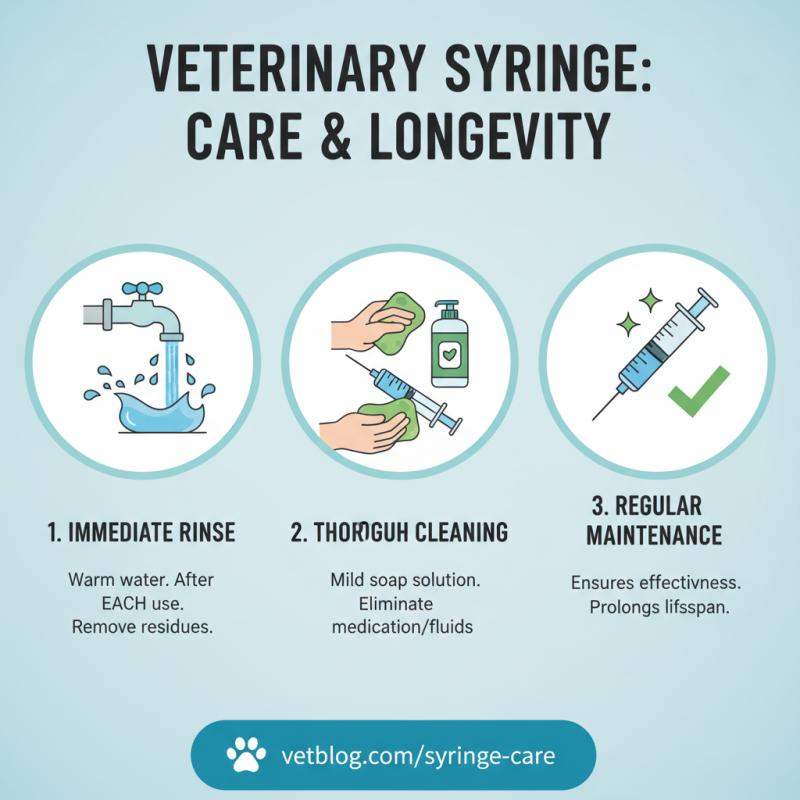
Maintaining a veterinary syringe is crucial for its longevity and effectiveness. Regular cleaning is essential after each use. Rinse the syringe with warm water immediately to remove any residues. For thorough cleaning, use a mild soap solution to ensure that no medication or bodily fluids remain.
Inspecting the syringe for damages is vital. Check for cracks or wear that could compromise its function. It's easy to overlook these issues, but they can lead to complications during use. If any damage is found, replacing the syringe is smart. Using a compromised syringe can harm animals or alter the dosage.
Storage matters as well. Keep the syringe in a clean, dry place, away from direct sunlight. Extreme temperatures can affect the materials. Ensure that it’s stored upright to avoid leaks. Reflecting on the maintenance routine can help improve the overall reliability of the syringe. Regular attention can prevent unforeseen issues in the future.