

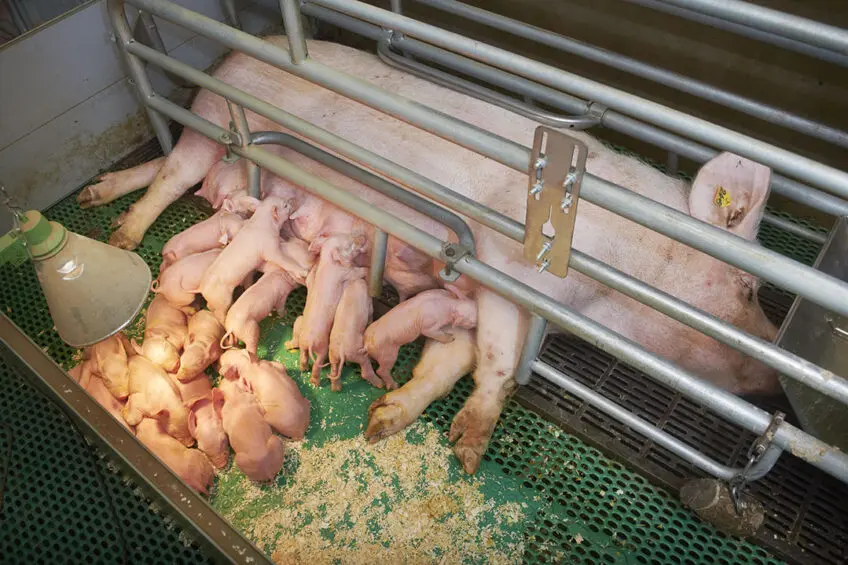

Precision in Livestock Management: How Veterinary Syringes and Breeder Tools Enhance Animal Health
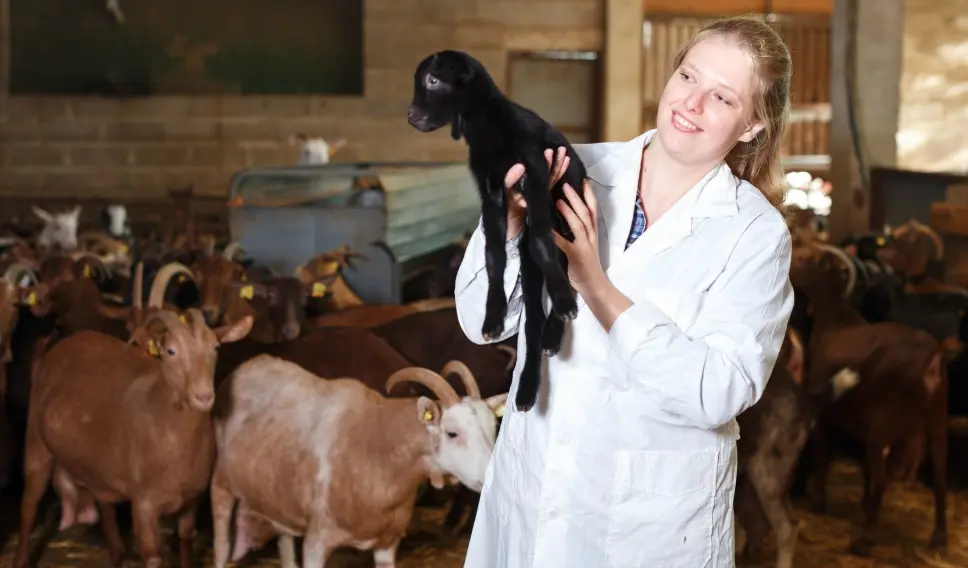
Which Animal Farm is Most Profitable? A Data-Driven Guide for Livestock Investors
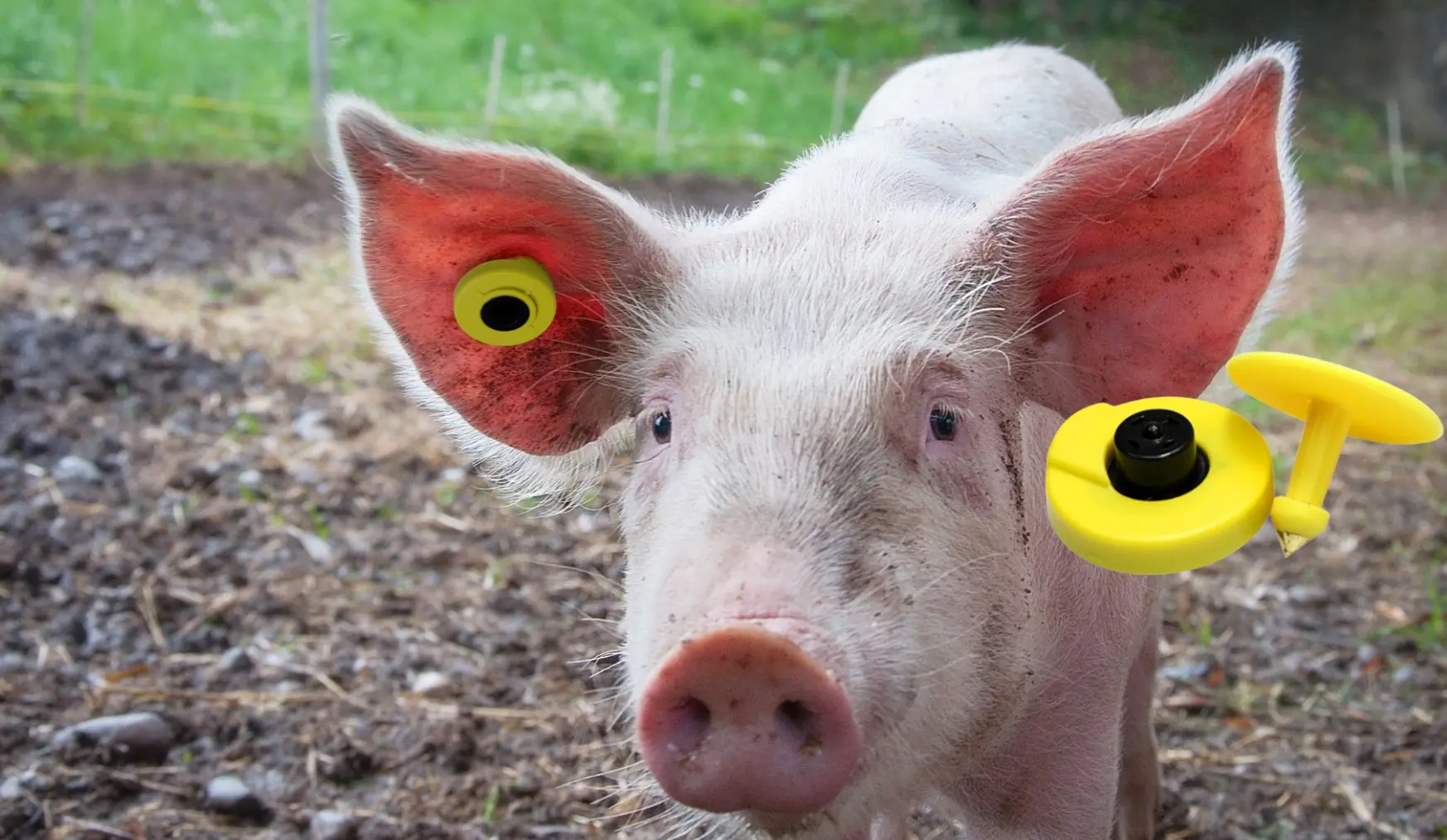
The Ultimate Guide to GPS Ear Tags and USF-Compliant Tracking Solutions
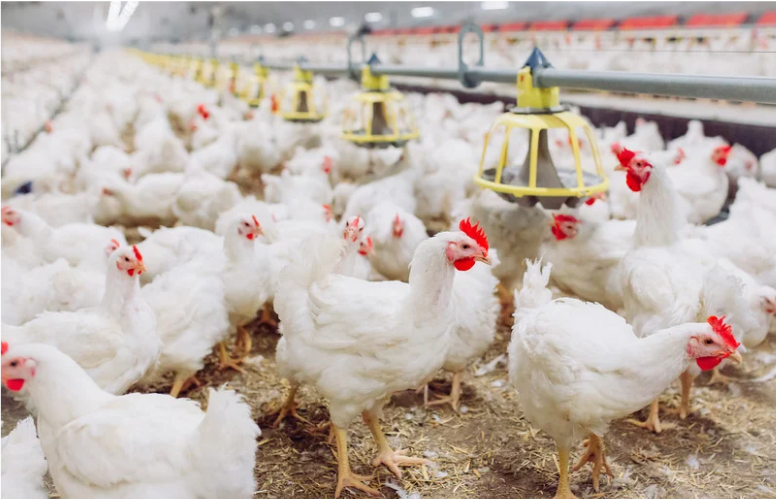
Optimizing Poultry Health and Efficiency: A Comprehensive Guide to Chicken Feeders
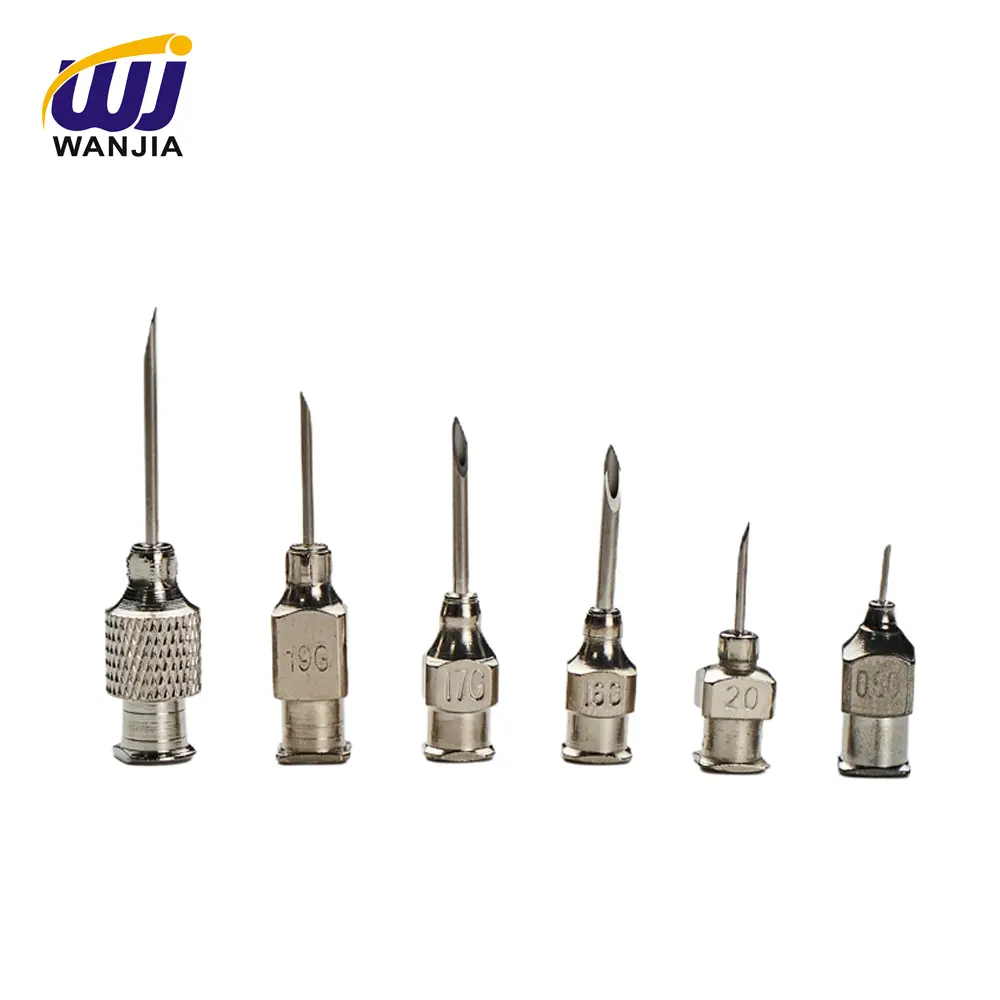
The Definitive Guide to Veterinary Needles: Selecting the Right Sizes and Types for Livestock Care
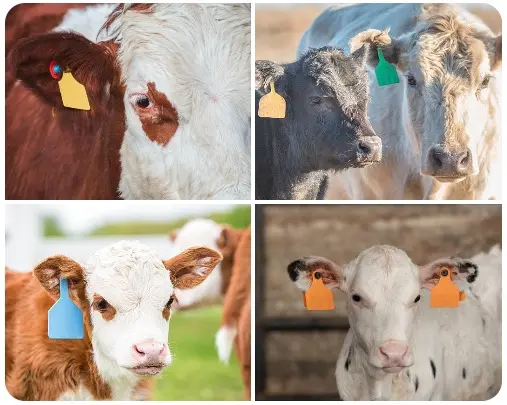
The Ultimate Guide to Cattle Ear Tags: Enhancing Livestock Management and Compliance
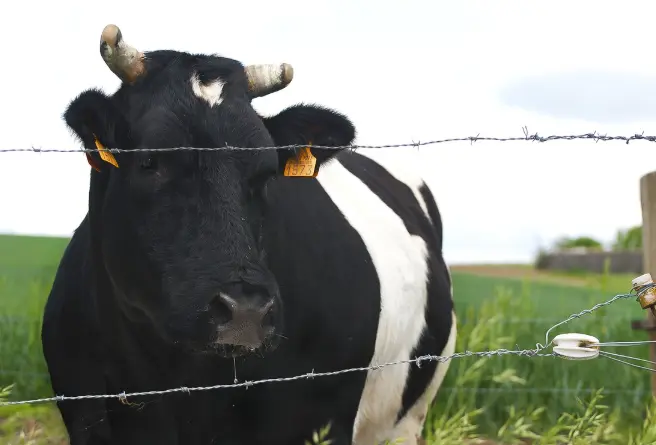
For modern ranchers and livestock managers, cattle ear tags are indispensable tools for tracking, health management, and regulatory compliance. Whether you’re new to cattle farming or looking to optimize your existing practices, this guide will explore the importance of cow ear tags, types available, and best practices for selecting and maintaining ear tags for cattle.

What is the best type of injection for cattle?
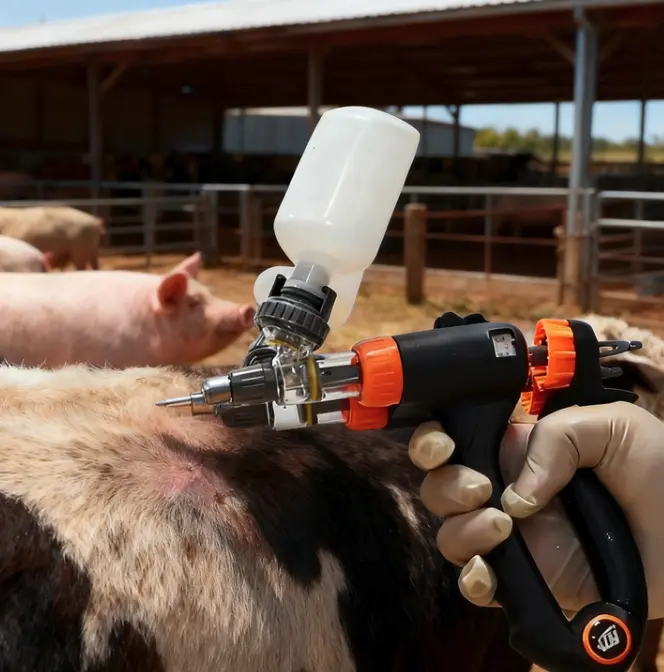
The type of injection you choose for cattle significantly impacts their health and productivity. Subcutaneous (SubQ) and intramuscular (IM) injections are the most common methods. Using a vaccine injector ensures precise dosing and reduces the risk of complications. Proper technique safeguards cattle health and maintains the quality of their meat.
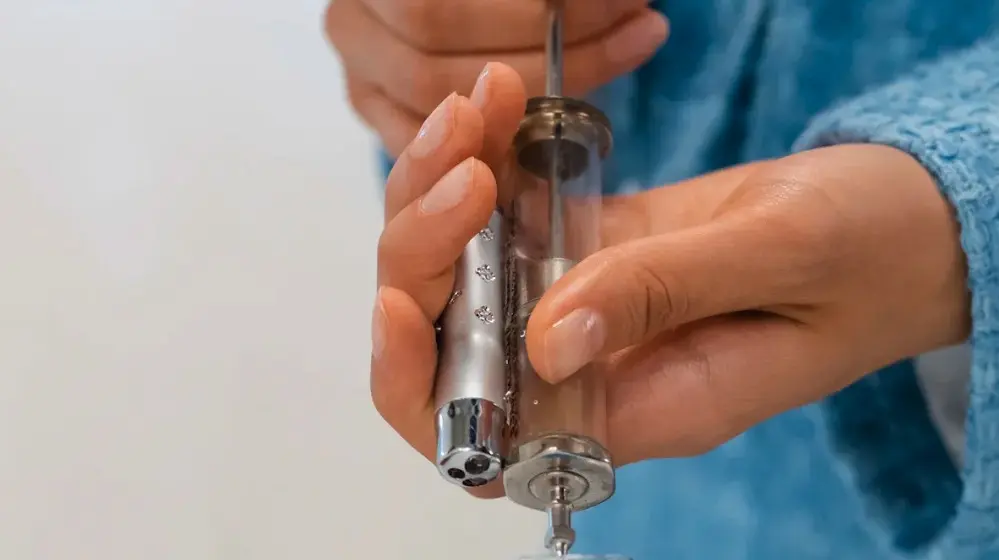
How to Use Automatic Syringes for Poultry Vaccination Effectively
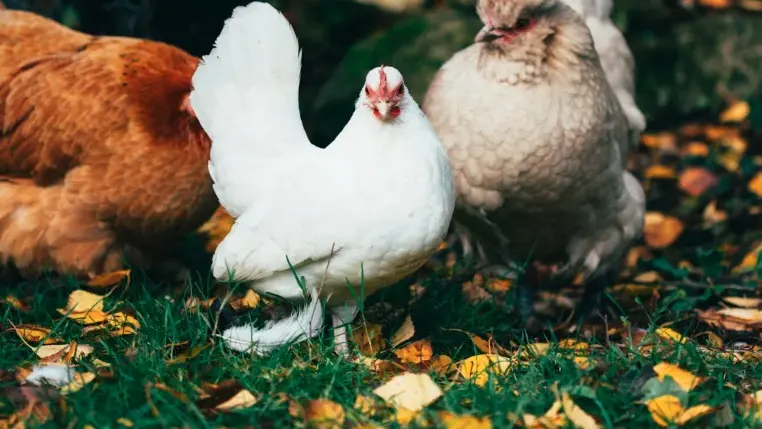
A Comprehensive Guide to Poultry Vaccines and Immunity
Vaccines play a vital role in protecting poultry from devastating diseases like Newcastle disease, avian influenza, and Marek’s disease. These vaccines reduce mortality, improve growth rates, and enhance feed conversion efficiency. By preventing outbreaks, you minimize treatment costs and boost profitability. Innovations, such as the automatic syringe for animals, streamline vaccine administration, ensuring healthier and more productive flocks.
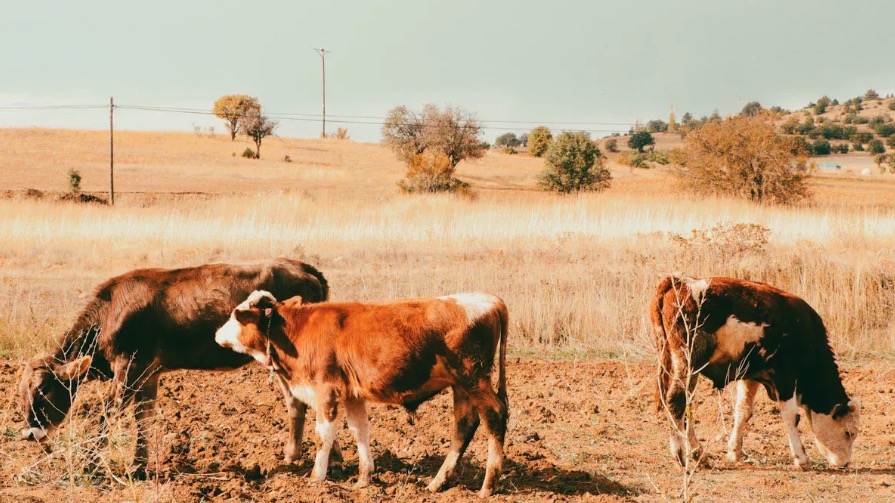
How Often Should You Drench Cattle for Best Results
Cattle drenching frequency depends on several factors. Younger cattle often require more frequent treatments due to weaker immunity. Overusing an animal drencher can cause resistance, reducing its effectiveness. On the other hand, under-drenching may harm cattle health. Striking the right balance ensures your herd stays productive and protected from parasites.
Key Takeaways
- Young cattle need drenching more often because they get sick easier. Check their health often to know what they need.
- Watch the grass and land to lower parasite problems. Keep grazing areas clean and switch pastures to keep cattle safe.
- Check poop for parasite eggs to know when to drench. This stops extra treatments and keeps medicine working well.