





Leave Your Message
2024-2025 Veterinary Equipment Industry Trends: Technological Innovations and Market Forecast
In the global Animal Health sector, the role of veterinary equipment is becoming increasingly important. With technological advancements and changing market demands, the veterinary equipment industry is expected to experience significant innovation and growth in 2024. This article explores current industry trends, technological developments, and future market forecasts.
1. Current Industry Trends
Market Dynamics
According to a report by Market Research Future, the global veterinary equipment market was valued at approximately $16 billion in 2023, and is projected to reach $21 billion by 2028, with a compound annual growth rate (CAGR) of 4.8%[1]. Major markets such as North America and Europe continue to expand, while the Asia-Pacific region is also showing strong growth. Specifically, the Asia-Pacific market is expected to grow at a rate of over 5% annually, driving the overall market growth[2].
Demand Drivers
Increased Animal Health Awareness: With growing global awareness of animal welfare and health, the demand for veterinary equipment is rising. According to Global Market Insights, global spending on animal health reached $40 billion in 2022 and is expected to reach $54 billion by 2027[3].
Expansion of Livestock Industry: The growth of the global livestock industry, especially in developing countries, is driving the demand for veterinary equipment. For example, livestock sectors in China and India have grown by approximately 6% and 5% respectively over the past five years[4].
Technological Innovations
Smart Devices: According to Grand View Research, the global Internet of Things (IoT) market in veterinary applications is expected to reach $1.6 billion by 2025[5]. These technologies enable real-time monitoring of animal health data, improving management efficiency and accuracy.
Data Analytics and AI: The application of AI in veterinary devices is expanding. For example, AI-driven diagnostic tools can improve early disease detection rates and reduce misdiagnoses. The AI market is expected to grow to approximately $4 billion by 2024[6].
2. Technological Developments
Smart Veterinary Equipment
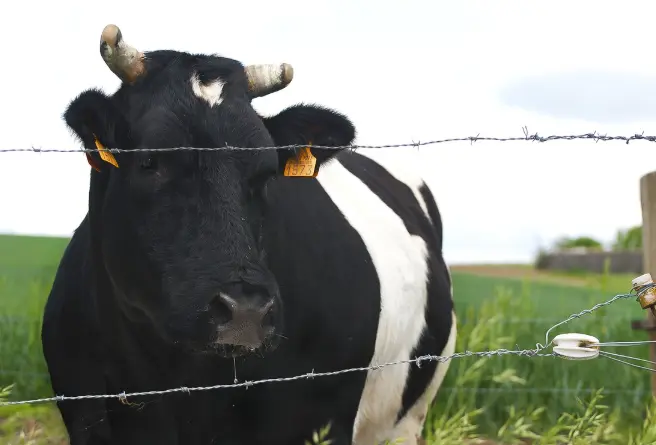
IoT Technology: IoT technology enhances the functionality of veterinary equipment by enabling real-time data monitoring and remote management. For instance, smart Ear Tags can track an animal’s location and health status in real time, facilitating timely interventions.
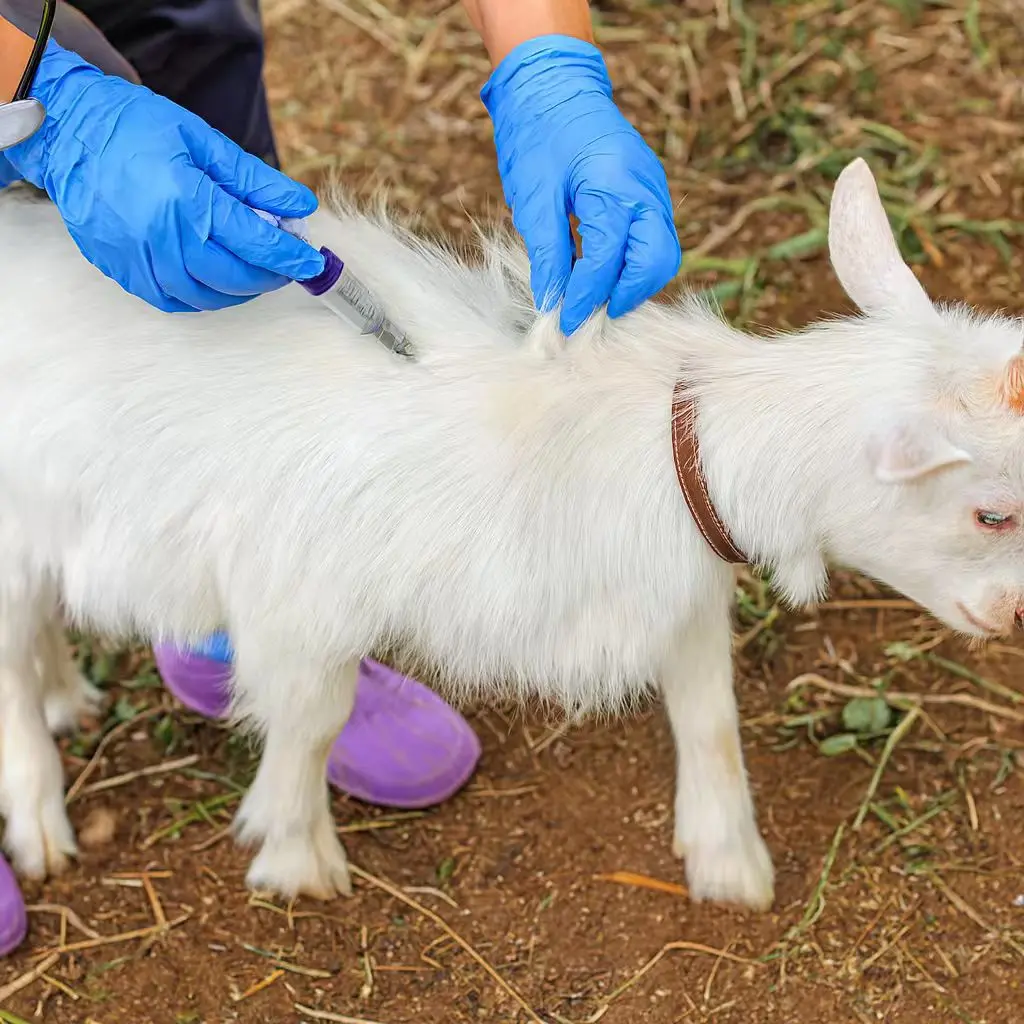
Artificial Intelligence (AI): AI technology improves diagnostic and predictive analysis capabilities in devices. For example, AI-driven syringes can adjust drug dosages based on an animal’s health data, enhancing treatment effectiveness.
Sustainable Technology
Eco-friendly Materials: Increasingly, companies are using biodegradable materials in veterinary equipment. These materials not only reduce environmental impact but also comply with stricter environmental regulations.
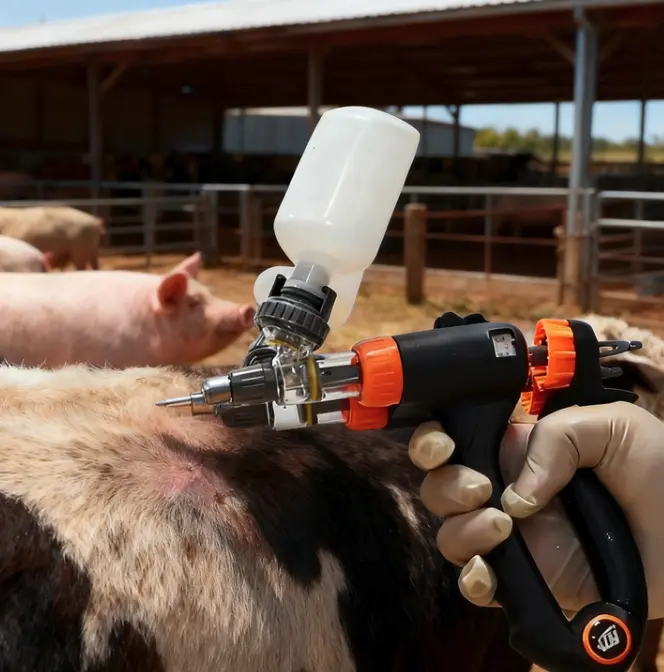
Energy-efficient Design: Equipment design is increasingly focused on energy efficiency and resource optimization. For example, new high-efficiency dosing guns reduce drug waste while lowering energy consumption.
3. Changes in Consumer Demands
User Experience
Convenience: Modern veterinarians and livestock managers have higher demands for device convenience. According to a survey by VentureBeat, over 70% of veterinarians want devices to feature more user-friendly interfaces and ease of operation[7].
Precision: There is a growing demand for high-precision equipment. For instance, precise syringes ensure accurate drug delivery, enhancing treatment outcomes. The demand for precision syringes is growing at a rate of 5% annually[8].
Market Segmentation
Differences Between Large and Small Livestock Farms: Large farms are increasingly reliant on automation equipment, such as automated dosing guns and smart monitoring systems, while small farms focus on cost-effective solutions.
Regional Demand Differences: Demand for equipment varies by region. For example, the European market has a higher demand for eco-friendly and sustainable equipment, while the Asia-Pacific region focuses more on functionality and cost-effectiveness.
4. Future Predictions
Market Outlook
According to the latest market research, the veterinary equipment market is expected to continue growing in the coming years. By 2028, the global market is projected to reach $21 billion, with a CAGR of 4.8%[1]. Emerging markets, especially in developing countries, present significant growth opportunities.
Challenges and Opportunities
Challenges: The industry faces challenges such as regulatory changes and increasing market competition. For instance, new regulations are raising the bar for environmental standards in equipment.
Opportunities: New technology applications and market expansion opportunities provide fresh prospects for the industry. Increased demand for smart technologies and sustainable equipment offers substantial market potential.
Conclusion
The veterinary equipment industry will continue to advance rapidly in 2024, driven by technological innovations and changing market demands. Understanding these trends and forecasts will help businesses stay ahead in the competitive landscape. For more information, please visit our website [URL] or contact us.