


Leave Your Message
A Comprehensive Guide to Veterinary Needles: Sizes, Uses, and Safety Tips
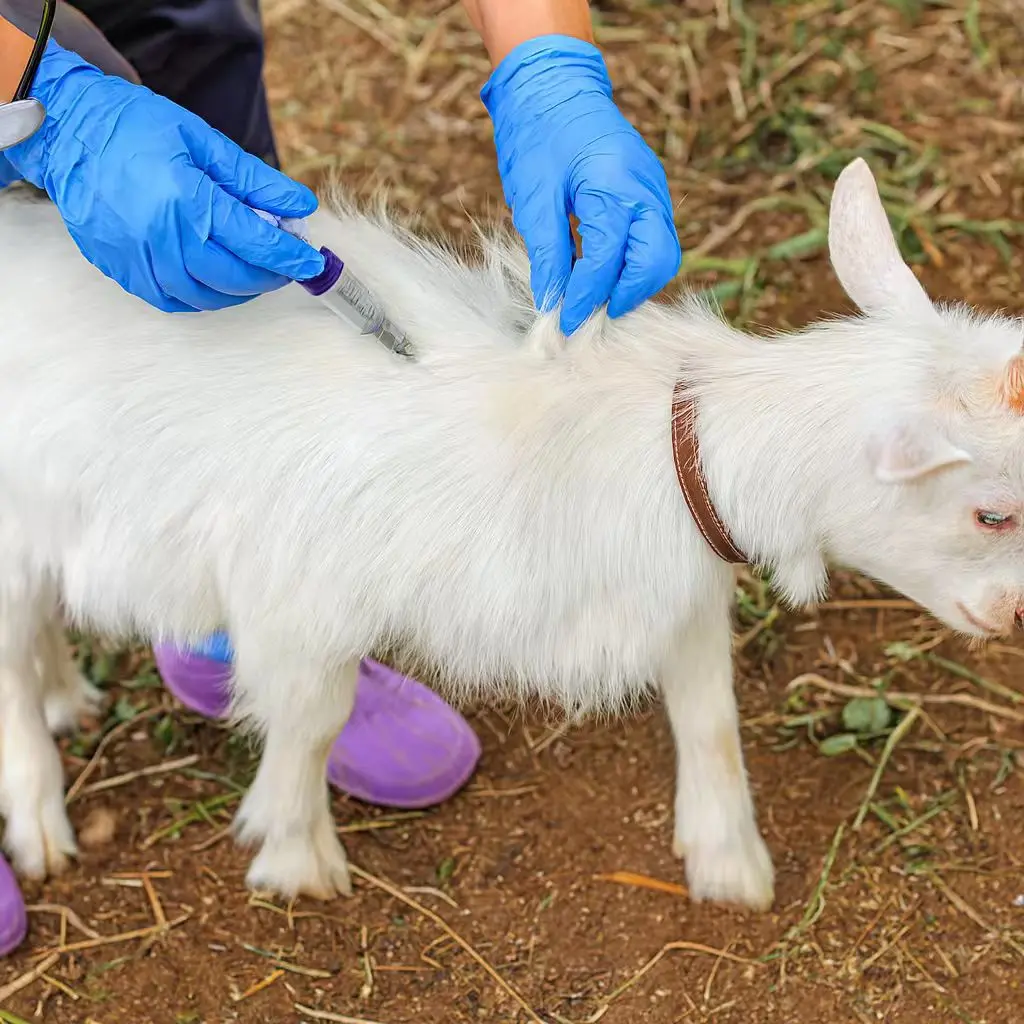
Veterinary professionals rely on high-quality needles and syringes for a wide range of procedures, from administering vaccines to treating injuries. Understanding the different Veterinary Needle sizes, proper handling techniques, and how to manage veterinary needle stick injuries treatment is essential for ensuring animal and practitioner safety.
Understanding Veterinary Needle Sizes
Veterinary Needles come in various sizes, typically measured in gauge (G). The gauge determines the diameter of the needle; the smaller the gauge number, the larger the needle diameter. Some of the most commonly used veterinary needle sizes include:
-
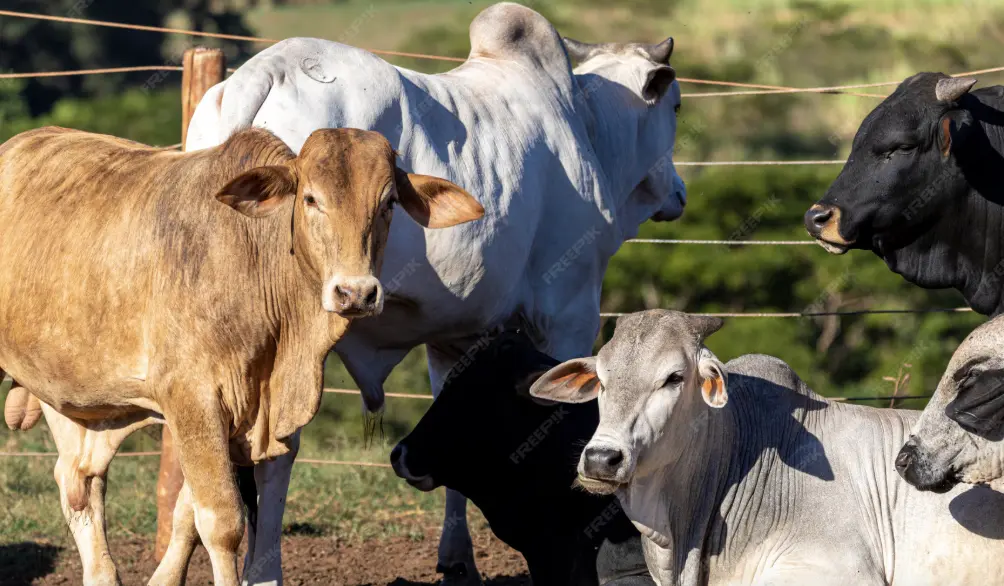
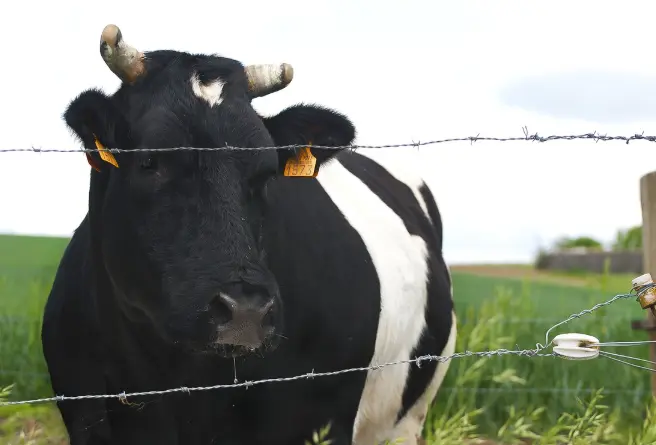
18 Gauge Veterinary Needle – Often used for thick medications and large animals, such as cattle and horses.
-
20 Gauge Needle – Suitable for medium-sized animals and intramuscular injections.
-
22 Gauge Needle – Common for smaller animals and subcutaneous injections.
-
25-27 Gauge Needle – Used for delicate applications such as small animals and fine injections.
Selecting the appropriate needle size depends on the type of medication, injection method, and the animal's species and size.
Veterinary Needles and Syringes: Choosing the Right Type
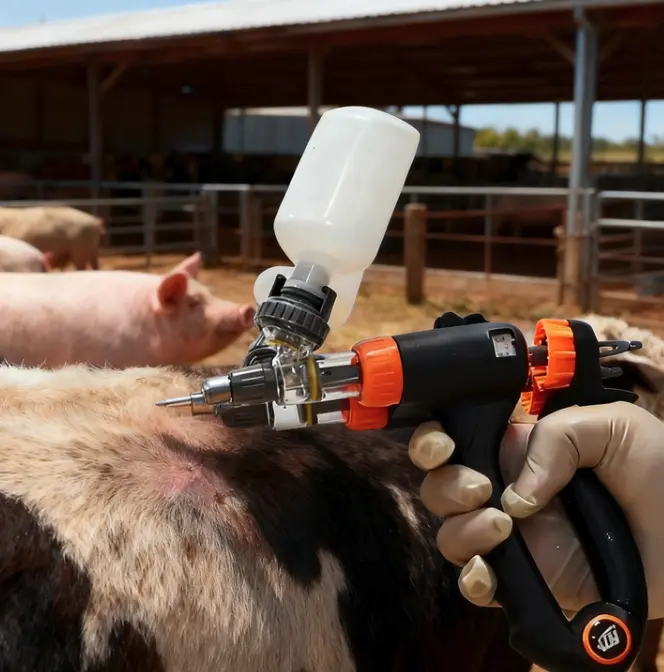
Veterinary professionals have access to various types of needles and syringes, each designed for specific applications:
-
Disposable Syringes with Needles – Used for single-use applications such as vaccinations and medication administration.
-
Reusable Syringes – Typically made of durable materials like glass or high-quality plastic and used for multiple injections with proper sterilization.
-
Luer Lock vs. Slip Tip – Luer lock syringes provide secure needle attachment, reducing the risk of detachment during injections, while slip-tip syringes offer quick needle changes.
Understanding these options helps veterinarians and animal caregivers choose the best tools for their needs.
Veterinary Needle Stick Injuries Treatment: Prevention and Response
Needle stick injuries pose a risk of infection and exposure to harmful substances. Proper handling and disposal of veterinary needles can significantly reduce risks. Here’s how to manage needle stick injuries:
-
Immediate First Aid: Wash the affected area with soap and water. Avoid squeezing the wound.
-
Disinfection: Apply an antiseptic solution to the wound to reduce the risk of infection.
-
Medical Evaluation: Seek medical attention, especially if exposed to hazardous biological agents.
-
Incident Reporting: Document the injury and assess how it occurred to prevent future incidents.
-
Proper Disposal: Always discard used needles in a designated sharps container to prevent accidental injuries.
Veterinary needles and syringes play a vital role in animal healthcare. Understanding different veterinary needle sizes, selecting the right equipment, and practicing safe handling techniques can improve efficiency and safety. Additionally, knowing how to respond to veterinary needle stick injuries treatment ensures a safer work environment for veterinary professionals.
For high-quality veterinary needles and syringes, visit [site_15eb649a-836b-4b55-827b-620be25f26cc].