
Leave Your Message
Enhancing Livestock Health: How Efficient Equipment Management Can Optimize Animal Care
Health management in the livestock industry is not only about animal welfare but also directly impacts the overall efficiency of the farm. By effectively managing livestock medical equipment, farm owners and veterinarians can significantly improve the quality of animal care, reduce the risk of disease transmission, and optimize operational efficiency. This article will share how to manage equipment effectively, reduce maintenance costs, and elevate industry-wide care standards.
Choosing the Right Livestock Medical Equipment: Focusing on Details
Selecting the right equipment is fundamental to enhancing animal care quality. Here are some key factors to consider when choosing equipment:
Durability and Adaptability: Equipment should be able to withstand various harsh environments, especially high humidity and high temperatures. Opt for equipment made from durable materials to reduce wear and tear over time and ensure it functions well in diverse conditions.
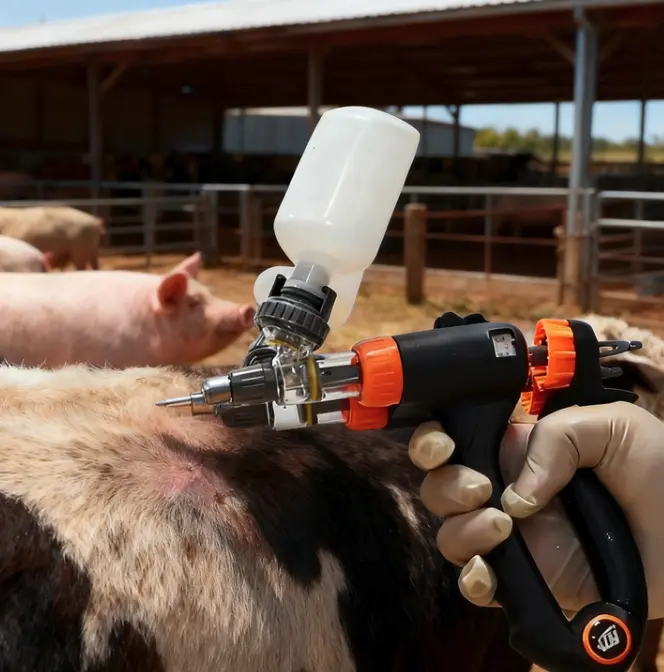
Precision and Ease of Use: For example, syringes and other commonly used equipment should accurately control medication dosages to avoid waste and ensure Animal Health. The equipment should also be easy to operate, enhancing daily care efficiency and reducing operational difficulty.
Hygiene Management: The design of the equipment should facilitate cleaning and disinfection, minimizing areas where bacteria can accumulate. Ensuring thorough cleaning after each use is crucial to preventing disease spread.
Equipment Maintenance: Key Steps to Ensure Efficient Operation
Even with the best equipment, proper maintenance is essential. Correct maintenance practices can extend the equipment's lifespan and ensure it remains in optimal working condition, thereby reducing operational risks.
Regular Cleaning and Disinfection: Especially for equipment that comes into direct contact with livestock. Regular, thorough cleaning and disinfection are essential to prevent disease transmission.
Regular Inspection and Replacement of Parts: Key components of equipment, such as needles and seals, can wear out due to frequent use. Regular inspection and timely replacement of these consumables can effectively prevent equipment malfunctions and accidents.
Proper Storage: When not in use, equipment should be stored in a dry, cool place to avoid contamination or damage. A good storage environment helps maintain the equipment's condition and extends its lifespan.
Conclusion
Efficient equipment management not only enhances the quality of animal care but also significantly reduces operational costs. By selecting the right equipment and implementing good maintenance practices, you can improve animal health management standards and contribute to the sustainable development of the livestock industry.
For more information, please visit our website Http://www.cnsxwj.net/ or contact us.