

Leave Your Message
How Much Milk Should I Feed My Goat? A Guide to Optimal Nutrition & Essential Feeding Tools
Key Takeaways
- Kid goats: Require 10–15% of body weight in milk daily (e.g., 500 mL for a 5 kg kid) using graduated Feeding Bottles and lamb/kit teats.
- Adult goats: Lactating does need 2-3 liters daily; use stainless steel milk pails for hygiene and accurate measurement.
- Weaning: Transition to solid feed at 8–12 weeks with Precision Syringes for gradual milk reduction.
- Overfeeding risks bloat and diarrhea, while underfeeding stunts growth—calibrated equipment is critical.
The Science of Goat Milk Feeding: Volumes, Schedules, and Tools
Whether raising dairy breeds like Saanens or meat goats like Boers, proper milk feeding is foundational for goat health. According to USDA guidelines, precise measurement via veterinary-grade feeding equipment improves growth rates by 18–25% and reduces digestive disorders.
This guide outlines milk requirements by age, with recommendations for integrating essential tools like feeding bottles, syringes, and teats into your protocol.
Milk Feeding Guidelines by Goat Age
1. Newborn Kids (0–7 Days)
- Volume: 10–15% of body weight daily (e.g., 400–600 mL for a 4 kg kid).
- Frequency: 4–5 feedings/day.
- Tools:
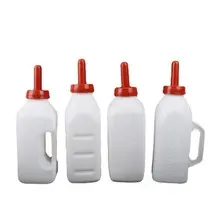
- 150 mL feeding bottle: Graduated markings ensure accurate portions.
- Lamb teat: Soft, anti-collapse nipples prevent choking.
2. Pre-Weaning (2–8 Weeks)
- Volume: 20% of body weight daily, split into 3 feedings.
- Supplement: Introduce hay/grains at 3 weeks.
- Tools:
- 500 mL milk pail: Stainless steel for easy sanitation.
- Oral syringes: For administering electrolytes or probiotics.
3. Lactating Does
- Volume: 2–3 liters/day, adjusted for yield (test with a udder dipstick).
- Post-Milking Care: Use iodine teat dip to prevent mastitis.
Essential Feeding Equipment for Goat Health
| Tool | Purpose | Why It Matters |
|---|---|---|
| Graduated Feeding Bottle | Precise milk measurement for kids | Prevents over/underfeeding; heat-resistant |
| Stainless Steel Pail | Hygienic milk storage and feeding | Corrosion-resistant; easy to autoclave |
| 60 mL Syringe | Administering colostrum or medications | Accurate dosing (±1% error) |
| Teat Dip Applicator | Post-milking udder sanitation | Reduces mastitis risk by 60% |
Step-by-Step: Preparing and Feeding Milk
- Mixing Formula: Use a digital kitchen scale to measure milk replacer (125–150 g/L water).
- Temperature: Warm milk to 38–40°C (100–104°F)—test with a bottle warmer Thermometer.
- Feeding:
- Bottle-fed kids: Tilt the lamb teat upward to mimic natural nursing angles.
- Bucket training: For older kids, use a non-slip pail with 2–3 cm depth.
Avoiding Common Feeding Mistakes
- Overfeeding: Causes bloat—use graduated bottles to track intake.
- Unsanitary Tools: Clean nipples and syringes with 70% alcohol post-use.
- Cold Milk: Triggers digestive stress—invest in a milk warmer.
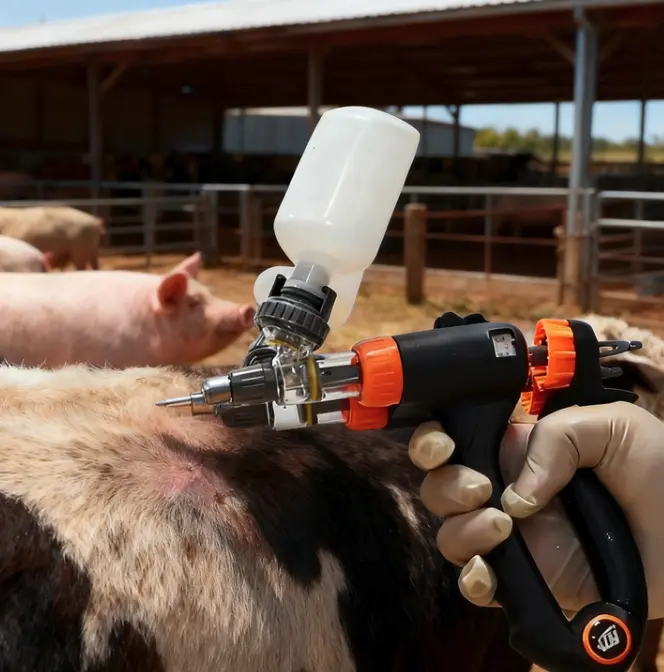
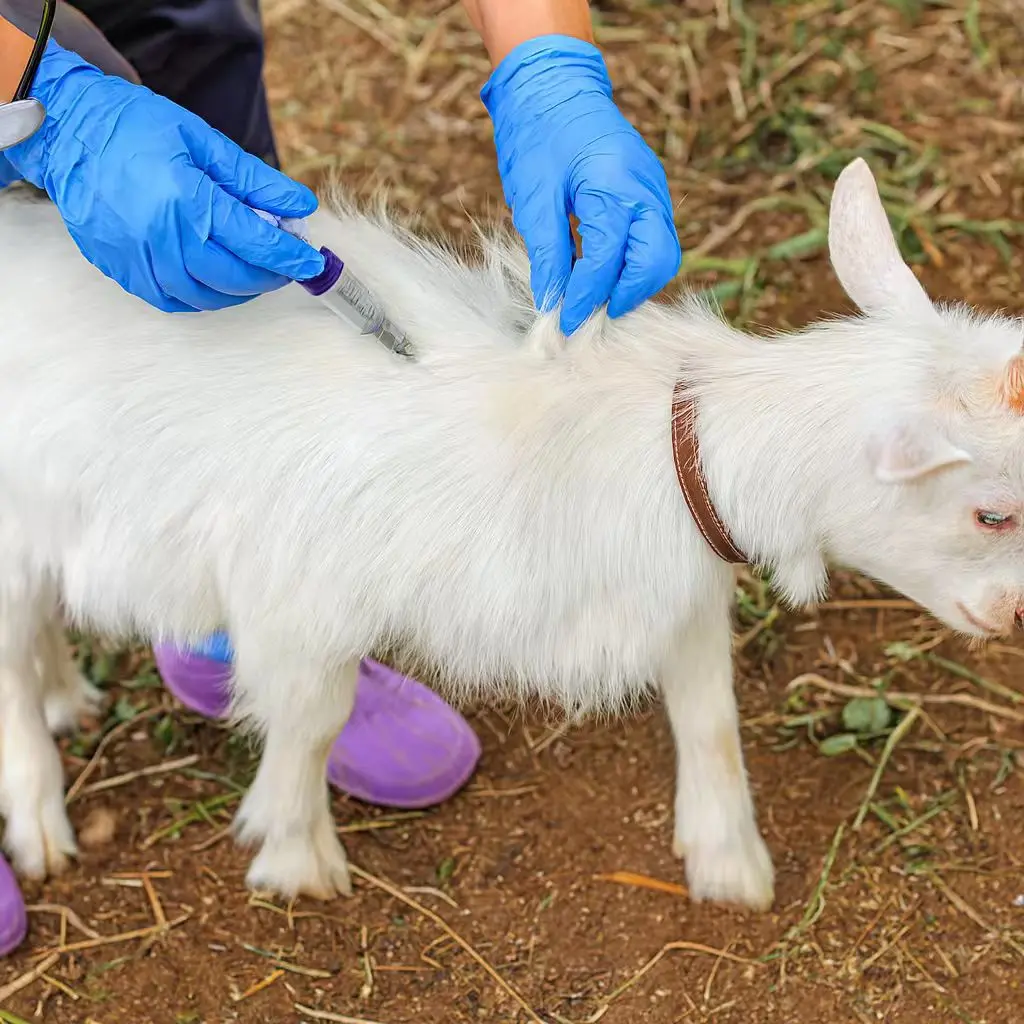
When to Use Syringes and Needles
Veterinary tools become critical during health crises:
- Dehydration: Administer 50–100 mL electrolyte solution via 60 mL syringe.
- Medication: Inject antibiotics (e.g., penicillin) with 18G 1.5" needles for IM delivery.
FAQ: Goat Milk Feeding & Equipment
Q1: How much milk should a 3-week-old Boer kid drink?
A: ~1.2 liters/day (20% of 6 kg body weight) using a 500 mL bottle refilled 2–3x daily.
Q2: Can I reuse feeding bottles for multiple goats?
A: Yes—sterilize with boiling water or autoclave bags between uses.
Q3: What syringe size is best for deworming?
A: 12 mL syringe with 14G needle for oral albendazole suspensions.
Q4: How to clean milk residues from teats?
A: Soak in food-grade hydrogen peroxide and scrub with a bottle brush.
Q5: Do adult goats need milk?
A: Only lactating does. Dry goats require hay, grains, and freshwater.
Conclusion
From graduated feeding bottles for newborn kids to stainless steel pails for lactating does, precision tools are non-negotiable for goat health and productivity. By aligning milk volumes with age-specific needs and investing in durable, easy-clean equipment, farmers optimize growth rates and minimize veterinary costs.
Upgrade your goat-rearing toolkit: Explore our [WANJIA feeding equipment] or contact us for bulk orders tailored to your herd size.