


Leave Your Message
How to Help a Sick Chicken Naturally-Holistic Care & Essential Veterinary Tools
Key Takeaways
- Natural remedies like herbal supplements, probiotics, and electrolytes can support sick chickens while minimizing antibiotic overuse.
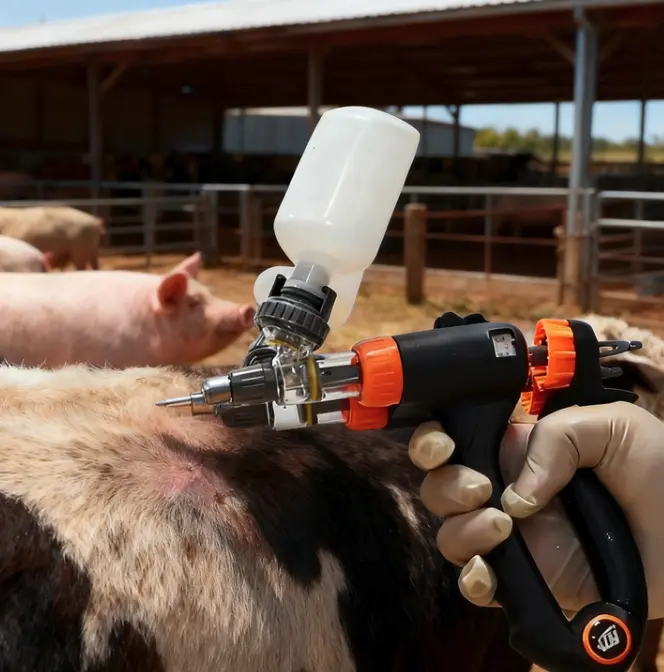
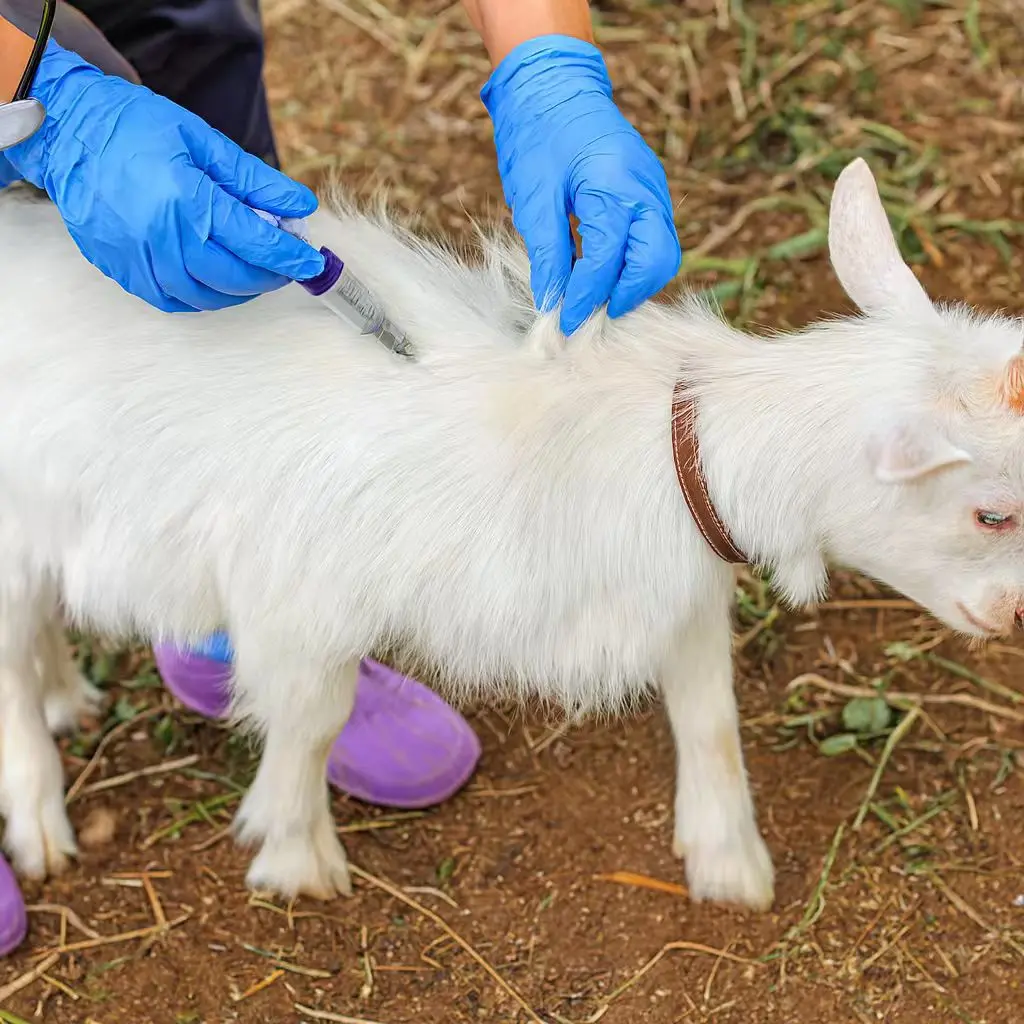
- Veterinary Syringes and precision needles ensure accurate dosing of natural solutions (e.g., garlic extract or vitamins).
- Proper hydration and nutrition reduce recovery time by 30–50% in poultry (University of Kentucky, 2023).
- Critical tools: oral dosing syringes, sterile needles, and feeding tubes enhance treatment safety.
Why Natural Care Matters for Poultry Health
Raising backyard or commercial chickens requires balancing natural wellness with practical intervention. While antibiotics have their place, many mild illnesses (e.g., sour crop, mild respiratory infections) respond well to natural remedies. A 2023 study by Penn State Extension found that early use of probiotics and herbal tonics reduced antibiotic reliance by 40% in small flocks.
However, administering these solutions safely demands precision tools like veterinary syringes and blunt-tip needles to avoid injury or stress. Below, we outline science-backed protocols and essential equipment for holistic chicken care.
5 Natural Remedies for Sick Chickens (+ Tool Recommendations)
1. Electrolyte Solutions for Hydration
- Recipe: 1 tsp honey + 1 tsp apple cider vinegar + 1/4 tsp salt per liter of water.
- Administration: Use a 10 mL oral syringe to drip-feed dehydrated hens 2–3x daily.
- Tool Tip: Opt for polypropylene syringes with mL/cc markings (autoclavable for reuse).
2. Garlic & Oregano Immune Boosters
- Preparation: Steep crushed garlic cloves and oregano in coconut oil (1:1 ratio).
- Dosage: 0.5 mL per kg body weight via 1 mL insulin syringe (28G needle) for precise delivery.
3. Probiotic Yogurt for Gut Health
- Application: Mix plain yogurt with chick feed or administer 2–3 mL via poultry feeding tube.
- Tool Tip: Sterilize reusable stainless steel feeding tubes with 70% alcohol between uses.
4. Herbal Respiratory Steam Therapy
- Recipe: Eucalyptus, thyme, and mint essential oils in hot water.
- Method: Confine the chicken near the steam for 10 minutes 2x daily (use a wire crate for safety).
5. Wound Care with Honey & Turmeric
- Mix: Raw honey + turmeric powder (2:1) for antibacterial paste.
- Tool: Apply with disposable applicator tips to prevent cross-contamination.
Essential Veterinary Tools for Natural Care
| Tool | Use Case | Why It Matters |
|---|---|---|
| 1 mL Insulin Syringe | Precise herbal extract dosing | Avoids overdose; 28G needles minimize pain |
| 10 mL Oral Syringe | Hydration support/electrolyte delivery | Graduated markings ensure accuracy |
| Blunt-Tip Needles | Safe oral liquid administration | Prevents crop puncture during feeding |
| Feeding Tubes | Force-feeding critically ill birds | Flexible silicone tubes reduce trauma |
Step-by-Step: Administering Natural Remedies
- Restrain Gently: Use a towel to wrap the bird, exposing the head.
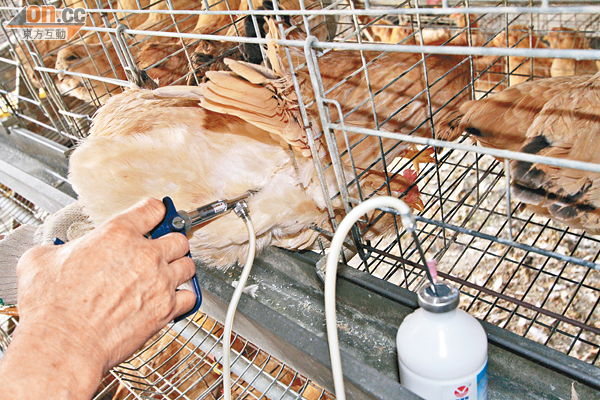
- Oral Dosing: Insert a blunt-tip needle into the beak’s side and depress the syringe plunger slowly.
- Monitor: Check for choking signs and allow 10–15 seconds between mL doses.
When to Transition to Veterinary Intervention
While natural methods excel for mild cases, seek professional help if:
- The bird stops drinking/eating for >24 hours (use feeding tubes for temporary support).
- Respiratory distress worsens despite steam therapy.
- Wounds show pus or swelling (requires sterile needles for drainage).
FAQ: Natural Chicken Care & Tool Use
Q1: Can I reuse syringes for multiple chickens?
A: Only if sterilized via autoclaving (121°C for 15 minutes). Disposable Syringes are safer for biosecurity.
Q2: What needle size is best for oral dosing?
A: 18–20G blunt-tip needles to prevent injury.
Q3: How much electrolyte solution should a sick hen drink daily?
A: 50–100 mL/kg body weight, administered via 10 mL oral syringe every 2–3 hours.
Q4: Is honey safe for chicks under 8 weeks?
A: No—avoid raw honey due to botulism risk. Use commercial electrolytes instead.
Q5: Can herbal remedies replace antibiotics for severe infections?
A: No—consult a vet. Use natural methods as adjuncts, not substitutes.
Natural remedies empower poultry keepers to address minor illnesses proactively, but their success hinges on precise delivery via veterinary syringes, sterile needles, and feeding tubes. By integrating these tools with holistic protocols, you enhance animal welfare while reducing reliance on pharmaceuticals.
Upgrade your toolkit: Explore our [poultry care syringes] or contact us for bulk orders.