

Leave Your Message
How to Use Automatic Syringes for Poultry Vaccination Effectively

Automatic Syringes revolutionize poultry vaccination by ensuring precise doses and reducing manual effort. You can vaccinate large flocks quickly while minimizing errors. Proper usage and maintenance are essential for successful animal injection. Clean and inspect your syringe regularly to maintain its performance and protect your poultry's health.
Key Takeaways
- Automatic syringes give exact doses and save manual work. They make vaccinating chickens quicker and easier.
- Cleaning and taking care of syringes is very important. This keeps vaccinations safe and stops germs from spreading.
- Picking the right syringe—fixed or adjustable—helps vaccinations work better. Choose based on what your flock needs.
Why Automatic Syringes Are Essential for Poultry Vaccination
Benefits of Vaccination for Poultry Health
Vaccination plays a critical role in maintaining the health of your poultry. It protects birds from common diseases like Newcastle disease, infectious bronchitis, and fowl pox. Healthy birds grow faster, lay more eggs, and produce better-quality meat. By vaccinating your flock, you reduce the risk of disease outbreaks, which can lead to significant losses. Vaccination also minimizes the need for antibiotics, promoting safer and healthier poultry products for consumers.
When you vaccinate your poultry, you ensure their immune systems are prepared to fight off harmful pathogens. This proactive approach improves the overall productivity of your farm. It also helps you maintain a sustainable and profitable operation.
How Automatic Syringes Improve Efficiency and Accuracy
Automatic syringes simplify the vaccination process, especially when dealing with large flocks. These tools allow you to administer precise doses quickly, ensuring each bird receives the correct amount of vaccine. This accuracy reduces the risk of underdosing or overdosing, which can compromise the effectiveness of the vaccine.
Using an automatic syringe also saves time and effort. Instead of manually measuring and injecting each dose, you can vaccinate multiple birds in a fraction of the time. This efficiency is particularly valuable during mass vaccination campaigns. Additionally, automatic syringes reduce the strain on your hands, making the process less tiring.
With proper use, these syringes improve the success rate of animal injection. They help you maintain consistency and accuracy, which are essential for protecting your flock's health.
Choosing the Right Automatic Syringe for Animal Injection
Fixed Dosage vs. Adjustable Syringes
When selecting an automatic syringe, you need to decide between fixed dosage and adjustable models. Fixed dosage syringes deliver a consistent amount of vaccine with every injection. These are ideal for large-scale operations where every bird requires the same dose. They simplify the process and reduce the chance of errors.
Adjustable syringes, on the other hand, allow you to modify the dosage based on the vaccine or bird size. This flexibility makes them suitable for farms with diverse poultry breeds or varying vaccination needs. If you handle multiple types of vaccines, an adjustable syringe can save you time and effort.
Material Options: Plastic vs. Stainless Steel
The material of the syringe affects its durability and ease of use. Plastic Syringes are lightweight and affordable. They work well for small-scale operations or occasional use. However, they may wear out faster with frequent use.
Stainless steel syringes are more durable and resistant to wear and tear. They are a better choice for intensive vaccination schedules. Although they cost more upfront, their longevity makes them a worthwhile investment for large poultry farms.
Vial Holder vs. Hose Systems: Pros and Cons
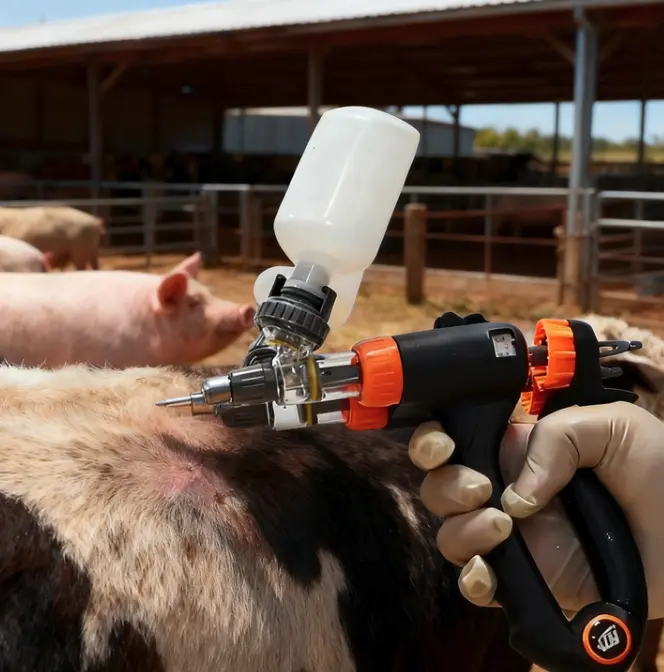
Automatic syringes come with either a vial holder or a hose system for vaccine delivery. Vial holders attach the vaccine vial directly to the syringe. This setup is compact and easy to handle, making it ideal for small flocks or tight spaces.
Hose systems, however, draw the vaccine from a larger container through a tube. These are better for mass vaccination campaigns. They reduce the need to frequently replace vials, saving you time during large-scale operations. Consider your flock size and vaccination frequency when choosing between these options.
Step-by-Step Guide to Using Automatic Syringes
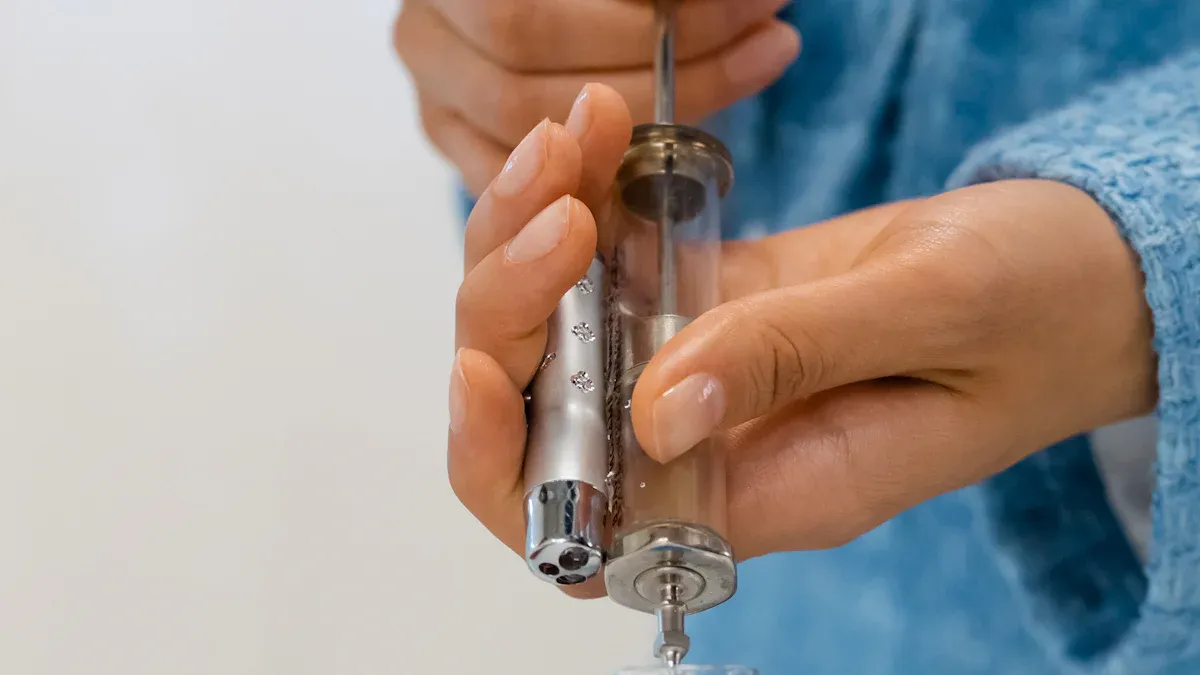
Preparing the Syringe and Vaccine
Start by gathering all necessary materials. Ensure the syringe is clean and sterilized before use. Check the vaccine vial for expiration dates and any visible damage. Shake the vial gently to mix the contents evenly.
Attach the vial to the syringe if you are using a vial holder system. For hose systems, connect the hose securely to the vaccine container. Adjust the dosage settings on the syringe if it is an adjustable model. Test the syringe by dispensing a small amount of vaccine to confirm proper flow and dosage accuracy.
Tip: Always wear gloves and handle vaccines in a clean environment to prevent contamination.
Administering the Vaccine Safely and Effectively
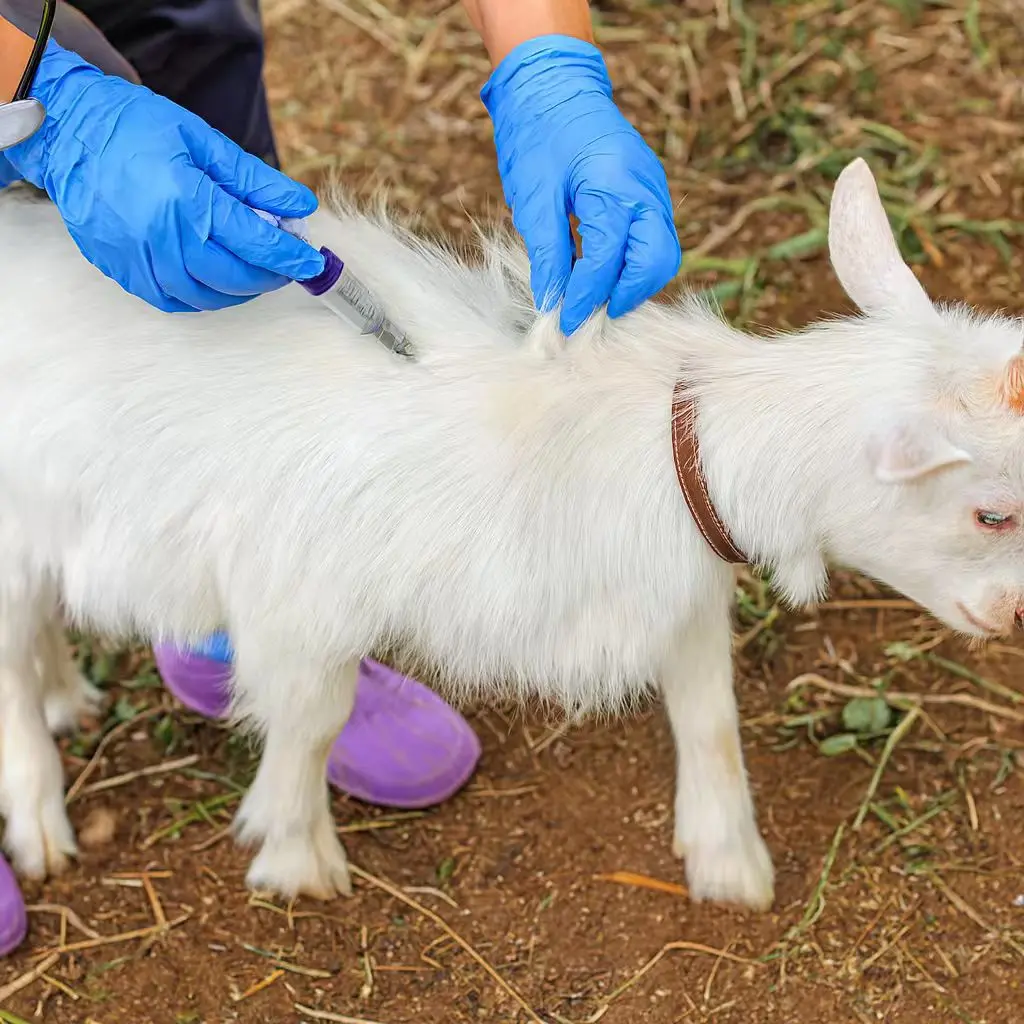
Hold the bird firmly but gently to avoid causing stress or injury. Identify the correct injection site based on the vaccine instructions. Common sites include the breast muscle or under the skin of the neck. Insert the needle at the recommended angle and depth.
Press the syringe trigger smoothly to administer the vaccine. Avoid rushing the process to ensure the full dose is delivered. After injecting, release the bird carefully and observe it for any immediate reactions.
Note: Proper technique reduces the risk of complications and ensures effective vaccination.
Post-Vaccination Care for Poultry
Monitor your flock closely after vaccination. Look for signs of adverse reactions, such as swelling or lethargy. Provide clean water and a stress-free environment to help the birds recover.
Keep a record of the vaccination, including the date, vaccine type, and batch number. This documentation helps track your flock's health and ensures compliance with vaccination schedules.
Reminder: Post-vaccination care is essential for maintaining the health and productivity of your poultry.
Maintenance and Storage Best Practices
Cleaning and Sterilizing the Syringe
Keeping your syringe clean ensures safe and effective vaccinations. After each use, disassemble the syringe and rinse it with warm water to remove any vaccine residue. Use a soft brush to clean the needle and internal parts thoroughly. Avoid using harsh chemicals that could damage the syringe or leave harmful residues.
Sterilize the syringe by boiling it in water for 10–15 minutes or using an autoclave if available. Let all parts dry completely before reassembling. Regular cleaning and sterilization prevent contamination and maintain the syringe's performance.
Tip: Always clean your syringe immediately after use to avoid dried vaccine clogging the needle.
Inspecting for Wear and Tear
Frequent use can cause wear and tear on your syringe. Inspect it regularly to ensure it remains in good working condition. Check the needle for bends or dullness, as these can harm the birds and reduce injection accuracy. Examine the plunger and seals for cracks or leaks that might affect dosage precision.
Replace any damaged parts immediately. Using a faulty syringe can compromise the vaccination process and put your flock at risk. Keeping a few spare parts on hand ensures you can make quick repairs when needed.
Reminder: A quick inspection before each use can save you time and prevent vaccination errors.
Proper Storage to Ensure Longevity
Store your syringe in a clean, dry place to protect it from damage. Keep it in a protective case or container to prevent dust and debris from accumulating. Avoid exposing it to extreme temperatures, which can warp plastic parts or weaken seals.
If your syringe has adjustable settings, reset them to zero before storage. This practice reduces strain on the internal mechanisms and extends the syringe's lifespan. Proper storage ensures your equipment stays ready for the next vaccination session.
Note: A well-maintained syringe saves you money and ensures consistent performance over time.
Automatic syringes streamline poultry vaccination, saving you time while ensuring accuracy. Proper selection, usage, and maintenance maximize their effectiveness.
Tip: Choose the right syringe, follow correct procedures, and maintain your equipment regularly.
By adhering to these best practices, you protect your flock’s health and improve your farm’s productivity. 🐔
FAQ
How often should you clean an automatic syringe?
You should clean the syringe after every use. This prevents vaccine residue buildup and ensures safe, effective vaccinations for your poultry.
Tip: Immediate cleaning avoids clogging and extends the syringe's lifespan.
Can you use the same syringe for different vaccines?
No, you should not. Using the same syringe for multiple vaccines risks cross-contamination, which can reduce vaccine effectiveness and harm your poultry.
Reminder: Always sterilize syringes before switching vaccines.
What should you do if the syringe malfunctions during vaccination?
Stop using the syringe immediately. Inspect it for damage or clogs. Replace faulty parts or switch to a backup syringe to avoid delays in vaccination.
Note: Keeping spare parts ensures uninterrupted vaccination sessions. 🐔