

Leave Your Message
Optimizing Poultry Health and Efficiency: A Comprehensive Guide to Chicken Feeders
Key Takeaways
- The right Chicken Feeder design directly impacts feed efficiency, flock health, and operational costs.
- Poultry Feeders reduce feed waste by up to 30%, improving profitability in commercial operations.
- Key factors include feeder type (automatic, treadle, tube), material durability, and ease of cleaning.
- Poor feeder management can lead to malnutrition, disease spread, and increased mortality rates.
Why Chicken Feeders Are Critical for Livestock Health
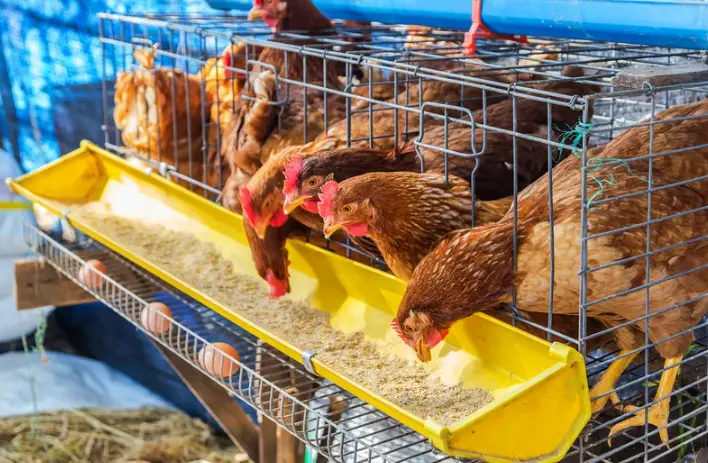
In poultry farming, feed accounts for 60–70% of production costs. A well-designed poultry feeder ensures uniform access to nutrition, minimizes contamination, and supports livestock health by preventing overcrowding and stress. According to a 2023 USDA report, farms using automated feeders saw a 15% reduction in respiratory diseases linked to feed dust.
Whether you manage a backyard coop or a 10,000-bird broiler operation, selecting and maintaining the right feeder system is non-negotiable for sustainable productivity.
Types of Chicken Feeders: Pros, Cons, and Best Uses
1. Automatic Feeders
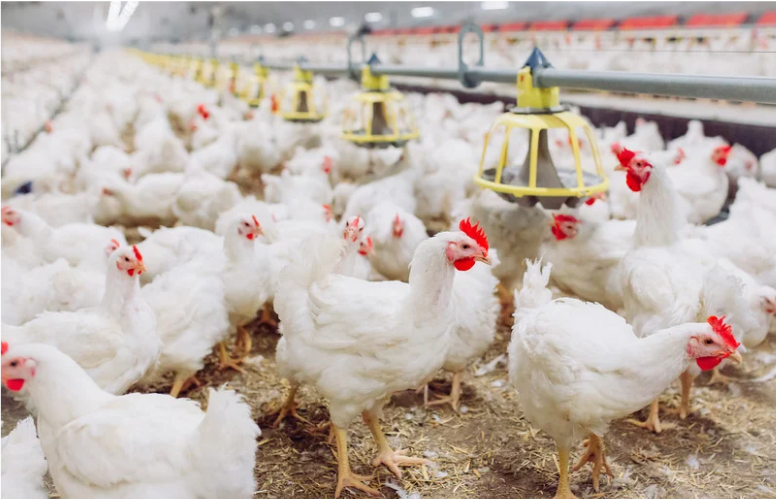
- Design: Dispense feed via sensors or timers; common in large-scale operations.
- Pros:
- Reduce labor by 50% (Poultry Science Journal, 2022).
- Minimize feed spillage (<5% waste vs. 20% in open trays).
- Cons: Higher upfront cost; requires power access.
- Best For: Commercial broiler/layer farms.
2. Treadle Feeders
- Design: Lid opens when birds step on a treadle plate.
- Pros:
- Prevents rodents and wild birds from accessing feed.
- Durable galvanized steel construction.
- Cons: Learning curve for young chicks.
- Best For: Free-range or organic poultry systems.
3. Tube Feeders
- Design: Vertical tubes with feeding ports; often hung from ceilings.
- Pros:
- Space-efficient; ideal for confined coops.
- Easy to refill and clean.
- Cons: Risk of feed clogging in humid climates.
- Best For: Small to medium flocks (50–500 birds).
4. Traditional Trough Feeders
- Design: Open trays placed on the ground.
- Pros: Low cost; simple to use.
- Cons: High contamination risk; 25–30% feed waste.
- Best For: Temporary setups or emergency backup.
How to Choose the Best Poultry Feeder for Your Flock
-
Flock Size:
- <100 birds: Tube or treadle feeders.
- 100–1,000 birds: Automatic tube systems with multiple ports.
-
1,000 birds: Automated chain or pan feeders.
-
Material:
- Galvanized Steel: Resists corrosion and pecking damage.
- Polyethylene: Lightweight, but less durable in UV-heavy climates.
-
Feed Type:
- Crumbles/Pellets: Work with most feeders.
- Mash: Avoid troughs (easily contaminated).
-
Livestock Health Considerations:
- Select feeders with anti-perch designs to deter rodents.
- Prioritize models with removable parts for daily cleaning.
Best Practices for Feeder Maintenance
-
Daily Checks:
- Remove wet or clumped feed to prevent mold (aflatoxin risks).
- Ensure all birds can access feeders without competition.
-
Weekly Cleaning:
- Disassemble and scrub with poultry-safe disinfectants (e.g., Virkon S).
- Inspect for cracks or sharp edges that could injure birds.
-
Feed Management:
- Fill feeders to 1/3 capacity to reduce spillage.
- Store feed in airtight containers to maintain freshness.
Impact of Feeders on Livestock Health
- Disease Prevention: Closed feeders reduce exposure to salmonella and avian flu vectors.
- Uniform Growth: Consistent feed access prevents dominant birds from monopolizing resources.
- Stress Reduction: Adequate feeder space (e.g., 2–4 cm per bird) minimizes aggression.
A 2022 study in Frontiers in Veterinary Science found that farms using treadle feeders lowered bacterial contamination in feed by 72% compared to open troughs.
FAQ: Chicken Feeders and Poultry Health
Q1: How many feeders do I need per bird?
A: Provide 1 linear inch (2.5 cm) of feeder space per bird for layers, 0.8 inches (2 cm) for broilers.
Q2: Can automatic feeders work without electricity?
A: Solar-powered models are available, but most require a 12V battery or grid connection.
Q3: How often should I clean poultry feeders?
A: Clean daily for wet/mash feed, weekly for dry pellets. Disinfect monthly.
Q4: What’s the best feeder to prevent wild birds from stealing feed?
A: Treadle feeders or covered automatic systems with weight-activated lids.