

Leave Your Message
Optimizing Poultry Health and Efficiency: A Guide to Watering Nipples and Feeders
Key Takeaways
- Watering Nipples and Drinker Nipples reduce water waste by up to 70% compared to open troughs, improving flock hydration and barn hygiene.
- Treadle Feeders minimize feed spillage and rodent access, cutting feed costs by 15–30% in poultry operations.
- Chicken feeders and poultry feeders must align with flock size, bird age, and feed type (crumbles vs. pellets).
- Poorly designed systems lead to dehydration, malnutrition, and disease spread.
Why Watering Nipples and Feeders Are Critical for Poultry Farms
Modern poultry farming demands precision tools to optimize resource efficiency and animal welfare. Watering nipples and poultry feeders are not just equipment—they are strategic investments that directly impact growth rates, feed conversion ratios (FCR), and profitability. According to a 2023 USDA study, farms using treadle feeders reduced feed waste by 27% and saw a 12% improvement in FCR compared to traditional systems.
Whether managing a backyard coop or a commercial broiler house, selecting the right watering and feeding systems is non-negotiable for sustainable success.
Types of Poultry Watering Systems
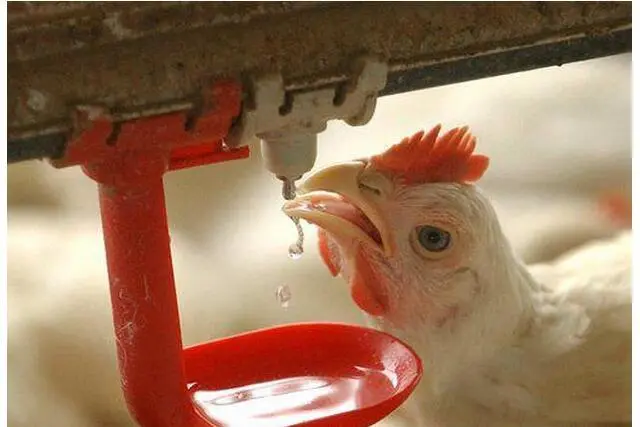
1. Watering Nipples
- Design: Lever-activated stainless steel or plastic nipples.
- Flow Rate: 40–70 mL/minute (adjustable for chicks vs. adults).
- Benefits:
- Reduce water contamination and bacterial growth.
- Cut labor costs with automatic refill systems.
- Best For: Broilers, layers, and turkeys in confined housing.
2. Drinker Nipples
- Variants: Horizontal (bell-shaped) vs. vertical (drop-style) nipples.
- Applications:
- Horizontal: Ideal for chicks (gentle activation).
- Vertical: Suitable for adult birds in cage-free systems.
- Compliance: Meet National Poultry Improvement Plan (NPIP) hygiene standards.
Types of Poultry Feeders
1. Chicken Feeders
- Tube Feeders:
- Capacity: 5–20 lbs, with adjustable flow settings.
- Pros: Space-efficient, minimize spillage.
- Best For: Small flocks (<100 birds).
2. Poultry Feeders
- Pan Feeders:
- Design: Circular trays with grille covers.
- Capacity: 30–50 lbs.
- Pros: Allow 360° access; reduce aggression.
- Best For: Medium-sized flocks (100–1,000 birds).
3. Treadle Feeders
- Mechanism: Lid opens when birds step on a treadle plate.
- Benefits:
- Block rodents and wild birds.
- Protect feed from rain and dust.
- Best For: Free-range or organic poultry systems.
How to Choose the Right Watering and Feeding Systems
-
Flock Size:
- <100 birds: Tube feeders + horizontal drinker nipples.
- 1,000+ birds: Automated pan feeders + vertical watering nipples.
-
Bird Age:
- Chicks: Low-pressure watering nipples (25–40 mL/min).
- Adults: High-flow nipples (60–70 mL/min).
-
Climate:
- Freezing temps: Insulated drinker lines with heated bases.
- Humid regions: Antimicrobial nipple materials to prevent mold.
-
Feed Type:
- Crumbles: Use treadle feeders to reduce waste.
- Pellets: Compatible with most poultry feeders.
Top 3 Benefits of Modern Poultry Systems
- Water Conservation:
- Watering nipples reduce usage to 0.5–1 liter per bird daily vs. 2+ liters in open systems.
- Disease Prevention:
- Enclosed drinker nipples lower Salmonella and E. coli risks by 60% (AVMA, 2022).
- Labor Efficiency:
- Automated treadle feeders cut daily feeding time by 50%.
Maintenance Best Practices
- Daily Checks:
- Clear clogged watering nipples with a vinegar solution.
- Remove wet feed from poultry feeders to prevent mycotoxins.
- Weekly Cleaning:
- Disassemble and sanitize drinker lines with hydrogen peroxide.
- Inspect treadle mechanisms for smooth operation.
- Monthly Calibration:
- Adjust feeder flow rates to match bird growth stages.
FAQ: Poultry Watering Nipples and Feeders
Q1: How many watering nipples do I need per bird?
A: Provide 1 nipple per 8–10 chicks or 1 per 4–5 adult birds.
Q2: Can treadle feeders be used for ducks?
A: Yes, but ensure the treadle plate supports heavier birds (ducks weigh 2–3x more than chickens).
Q3: What’s the lifespan of stainless steel drinker nipples?
A: 5–7 years with proper maintenance (vs. 1–2 years for plastic).
Q4: How do I prevent feed clogging in tube feeders?
A: Use crumble-friendly grille sizes and clean weekly.
Q5: Are nipple systems suitable for broiler chicks?
A: Yes—opt for horizontal nipples with light activation pressure.
From watering nipples that ensure hygienic hydration to treadle feeders that safeguard feed quality, the right equipment is pivotal for poultry health and farm profitability. By aligning your choices with flock size, climate, and operational goals, you can maximize efficiency while meeting animal welfare standards.