

Leave Your Message
Pig Feeding Methods: Optimal Nutrition Strategies & Essential Veterinary Equipment
Key Takeaways
- Phase-specific feeding: Piglets require 250–400 mL milk replacer/day via graduated Feeding Bottles; growing pigs need 2–3 kg/day of fortified feed.
- Automated systems: Ad-lib feeders with stainless steel troughs improve feed efficiency by 15–20% (USDA, 2023).
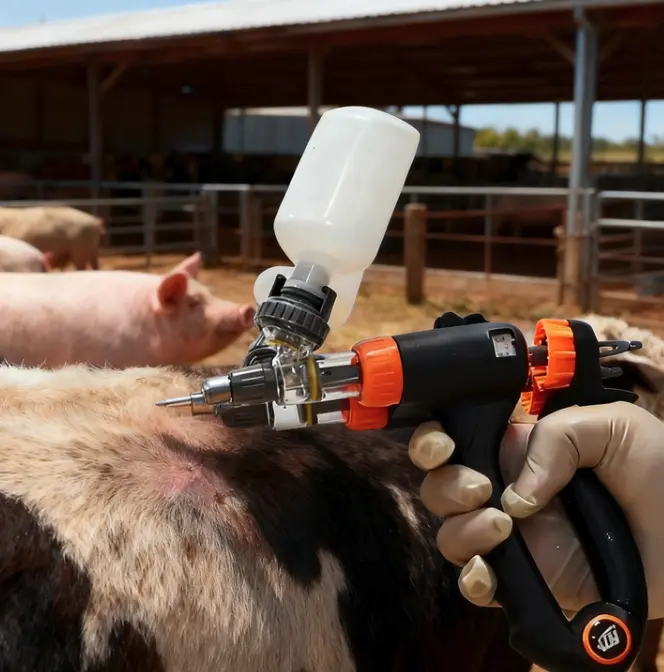
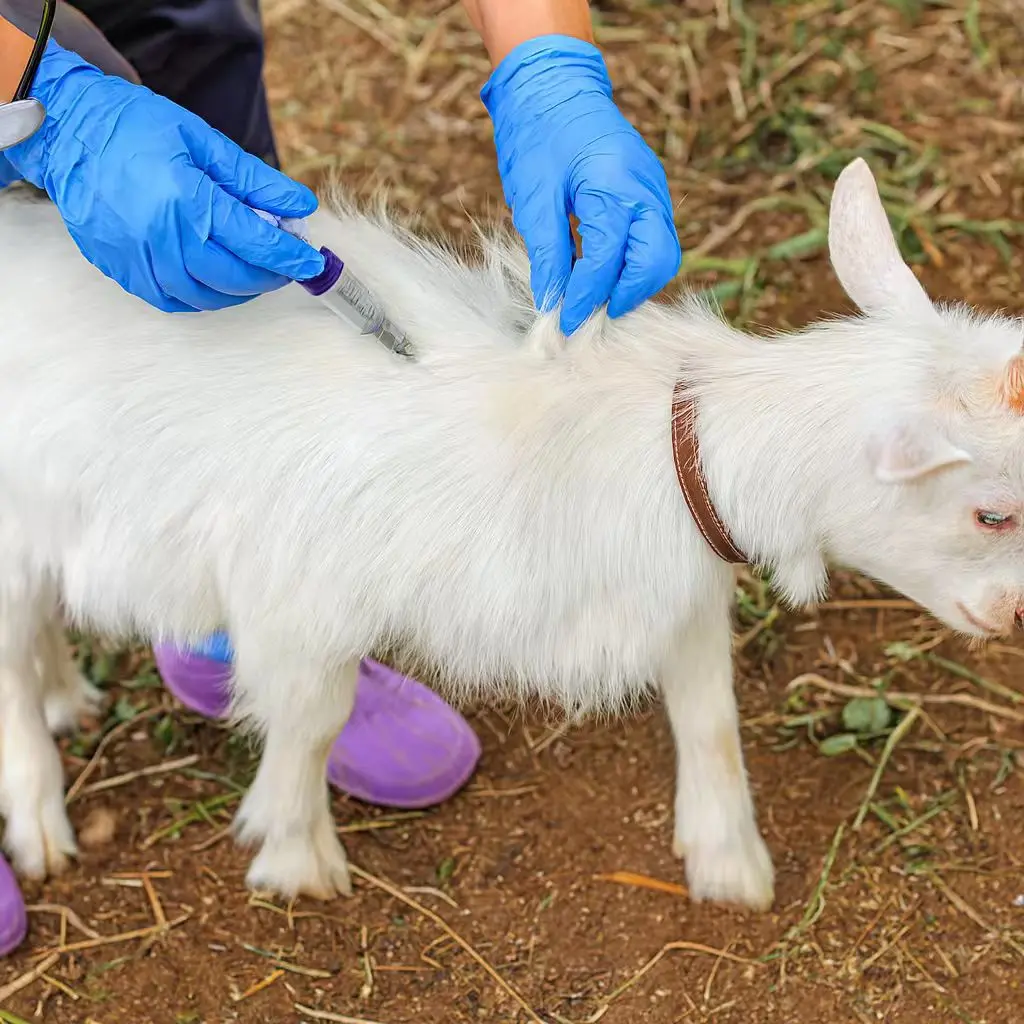
- Health tools: Use Veterinary Syringes and sterile needles for iron injections, vaccinations, and hormone treatments.
- Poor feeding practices cost farms $15–$30 per pig in lost growth (University of Illinois, 2023).
The Science of Pig Feeding: Methods, Tools, and Protocols
Effective pig nutrition requires precision at every stage—from neonatal care to finisher diets. Whether managing a small farrow-to-finish operation or a large commercial farm, integrating the right feeding equipment and Veterinary Tools is critical for maximizing growth rates and minimizing disease risks.
This guide explores modern feeding strategies, paired with essential equipment like syringes, needles, and breeding instruments, to optimize your herd’s performance.
Stage-Specific Feeding Methods & Equipment
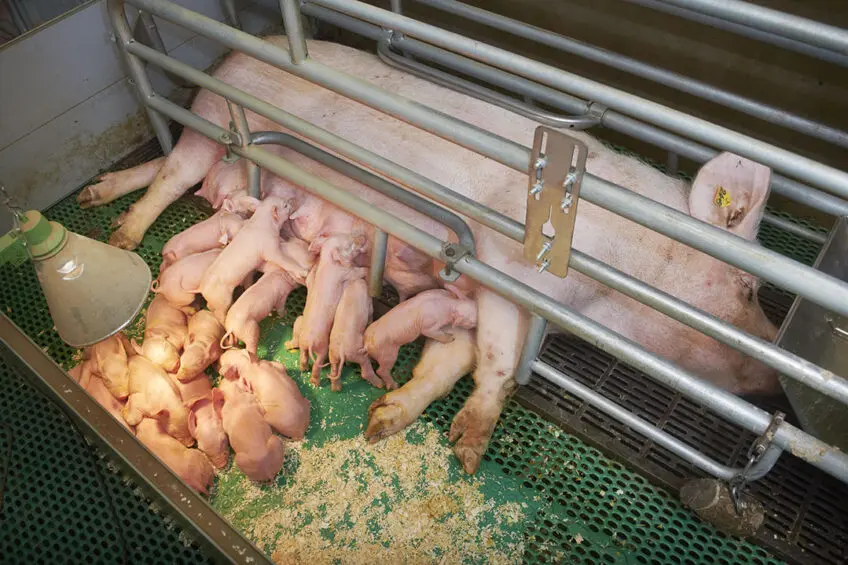
1. Neonatal Piglets (0–21 Days)
- Colostrum Management: Ensure intake within 6 hours using stomach tubes or oral syringes for weak piglets.
- Milk Replacers: Administer 250–400 mL/day via graduated feeding bottles with silicone teats to prevent nipple damage.
- Iron Supplementation: Inject 200 mg iron dextran via 18G ½" needles at 3 days old to prevent anemia.
Product Integration: FarmCare 50mL Syringes with mL markings ensure accurate milk dosing.
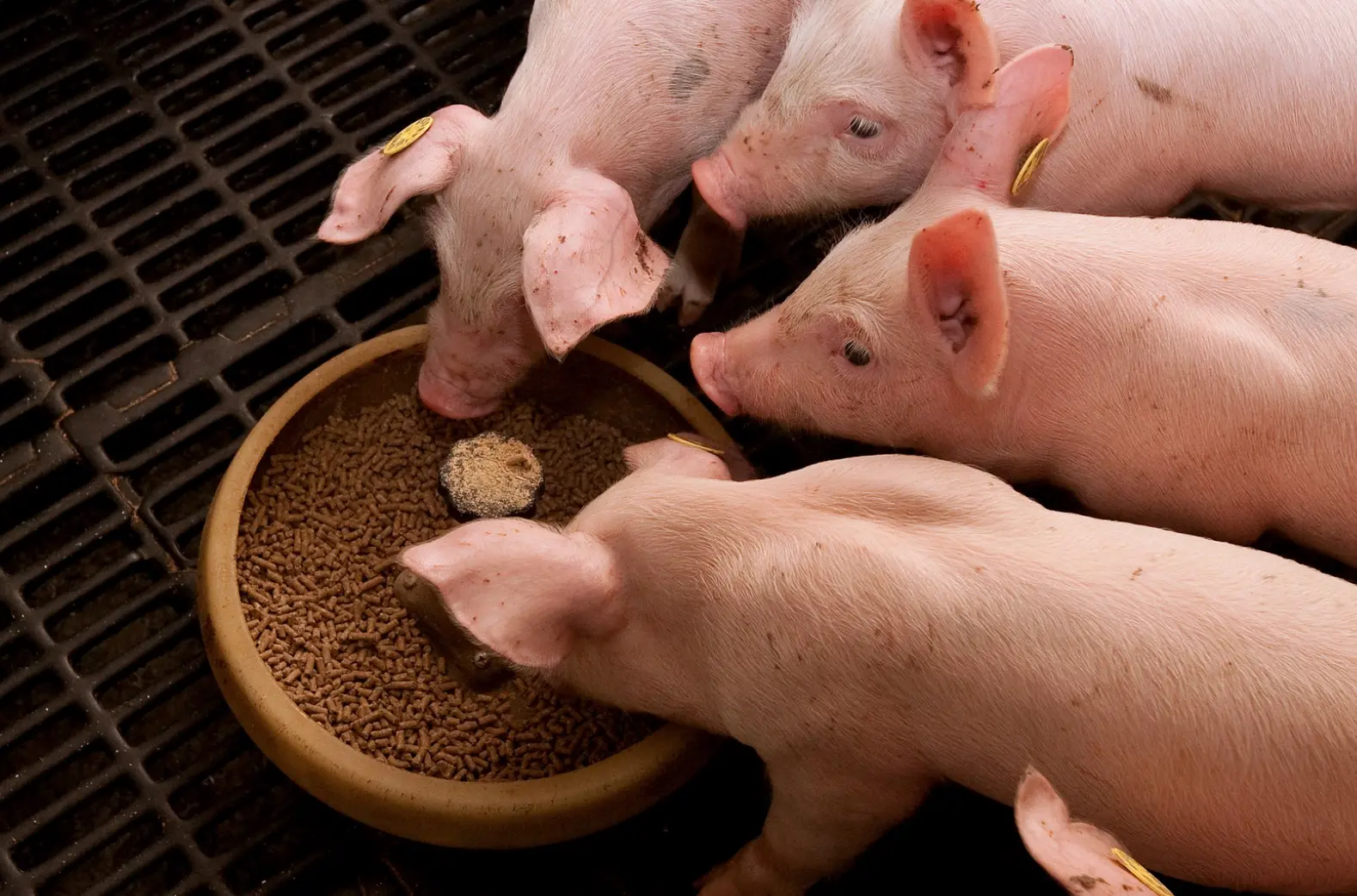
2. Weaners (3–10 Weeks)
- Starter Feed: Provide 0.5–1.2 kg/day of high-protein (18–20%) pellets via adjustable feeders.
- Hydration: Install nipple drinkers (500 mL/min flow rate) to reduce diarrhea risks.
- Vaccinations: Deliver PCV2 vaccines via 2 mL auto-disable syringes and 20G needles.
3. Grower-Finishers (10 Weeks–Market)
- Ad-Lib Feeding: Use automated feeders to dispense 2–3 kg/day of 14–16% protein diets.
- Growth Promoters: Administer ractopamine (where legal) via IM injections (16G 1" needles).
4. Breeding Sows & Boars
- Gestation Diets: 2.5–3 kg/day with calcium supplements to prevent MMA syndrome.
- Artificial Insemination (AI): Use catheter guns and disposable semen bags for hygienic breeding.
Critical Feeding Equipment & Veterinary Tools
| Tool | Purpose | Product Example |
|---|---|---|
| Stainless Steel Feeders | Durable, corrosion-resistant ad-lib systems | FeederPro 3000 (500-head capacity) |
| Oral Dosing Syringes | Administer electrolytes or medications | DoseMaster 10mL (blunt-tip design) |
| AI Catheters | Semen delivery during artificial insemination | BreedSafe SowCatheter |
| Iron Injection Kits | Prevent piglet anemia | IronGuard 200mg/mL + 18G needles |
Disease Prevention & Feeding Hygiene
- Vaccinations: Use 3 mL syringes and 18G needles for Mycoplasma hyopneumoniae vaccines.
- Feed Additives: Mix antibiotics (e.g., tetracycline) via magnetic stirrers and sterile mixing rods.
- Biosecurity: Clean feeders with veterinary-grade disinfectants (e.g., Virkon™) to prevent PEDv.
Regional Compliance Considerations
- USA: Follow FDA 21 CFR Part 507 for medicated feed equipment.
- EU: Adhere to EC 183/2005 hygiene standards for feeders/drinkers.
- Brazil: MAPA mandates INMETRO-certified stainless steel troughs.
FAQ: Pig Feeding & Equipment
Q1: What syringe size is best for piglet iron injections?
A: 5–10 mL syringes with 18G ½" needles for subcutaneous (SC) delivery.
Q2: How to clean nipple drinkers?
A: Flush weekly with chlorine solution (50 ppm) using a high-pressure syringe.
Q3: Can reusable AI catheters transmit diseases?
A: Yes—always use single-use catheters and sterile semen bags.
Q4: What flow rate prevents water wastage in pig drinkers?
A: 500–700 mL/min for growers; 300 mL/min for weaners.
Q5: How to store medicated feed safely?
A: Use UV-resistant feed bins and label with withdrawal periods.
From graduated feeding bottles for piglets to automated feeders and veterinary syringes for disease control, precision tools are essential for modern pig farming. By aligning feeding protocols with regional regulations and investing in durable equipment, producers can enhance growth efficiency, reduce mortality, and secure higher profits.