Leave Your Message
Precision in Livestock Management: How Veterinary Syringes and Breeder Tools Enhance Animal Health
Key Takeaways
- Veterinary Syringes are critical for accurate dosing, disease prevention, and efficient herd management in livestock operations.
- Modern syringe animation tools improve training and protocol adherence for breeders and farm staff.
- Selecting the right syringe type (multidose, automatic, etc.) reduces medication waste by up to 25% and enhances animal welfare.
- Poor syringe practices lead to antibiotic resistance, treatment failures, and financial losses.
The Role of Veterinary Syringes in Modern Livestock Farming
For breeders and livestock managers, precision in medication delivery isn’t optional—it’s a cornerstone of operational success. Veterinary syringes ensure vaccines, antibiotics, and hormones are administered safely, minimizing stress on animals and maximizing treatment efficacy. According to a 2023 USDA study, farms using calibrated syringes reduced dosing errors by 35% compared to manual methods.
Whether you’re managing a cattle ranch, poultry farm, or swine operation, the right syringe technology can significantly impact livestock health and profitability.
Types of Veterinary Syringes for Breeders and Livestock
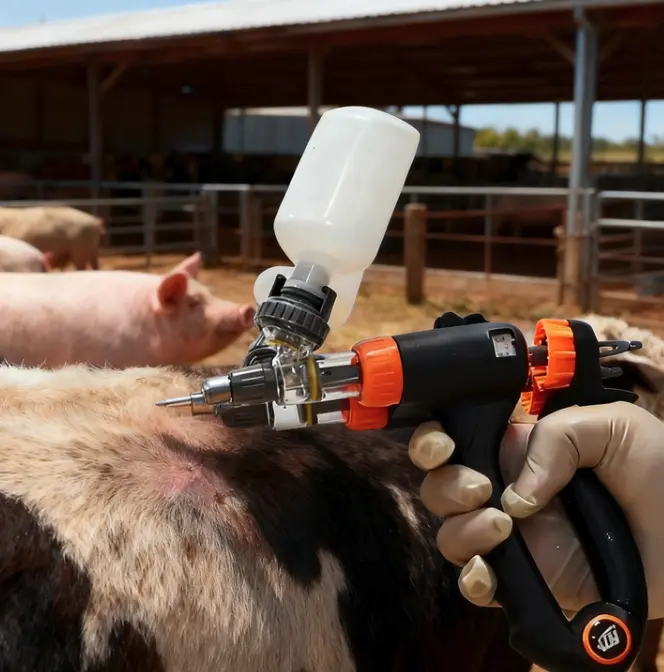
1. Multidose Syringes
- Capacity: 10–50 mL, refillable.
- Use: Mass vaccinations (e.g., Clostridial vaccines in cattle).
- Benefits: Time-efficient; reduces plastic waste.
- Drawbacks: Requires rigorous cleaning to avoid cross-contamination.
2. Automatic Syringes
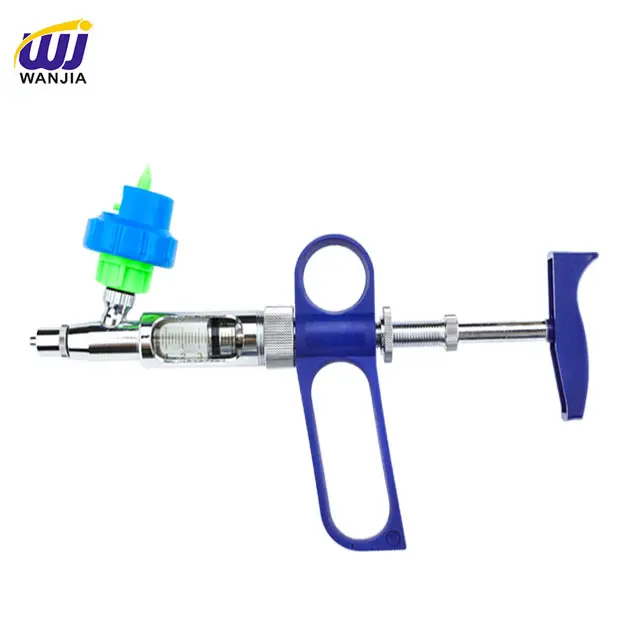
- Design: Adjustable dosing mechanisms (e.g., 2–5 mL per click).
- Use: Repetitive dosing in feedlots or poultry houses.
- Best For: Large-scale operations requiring speed and consistency.
3. Single-Use Disposable Syringes
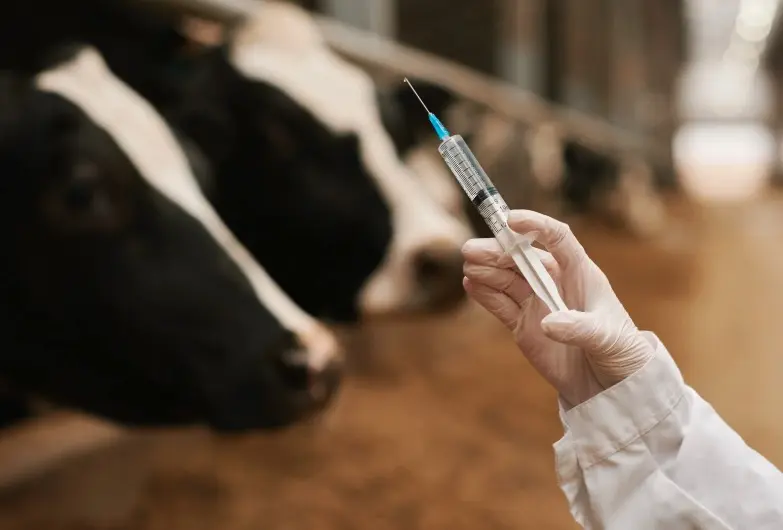
- Capacity: 1–10 mL.
- Use: Antibiotics, hormones, or sensitive biologics.
- Benefits: Sterile; eliminates disease transmission risks.
4. Insulin Syringes
- Capacity: 0.5–1 mL, ultra-fine needles (25–28G).
- Use: Precision applications (e.g., hormone administration in breeding programs).
The Importance of Syringe Animation in Training and Compliance
Syringe animation tools—digital simulations or 3D models—are revolutionizing livestock training programs. These resources help breeders and farm staff:
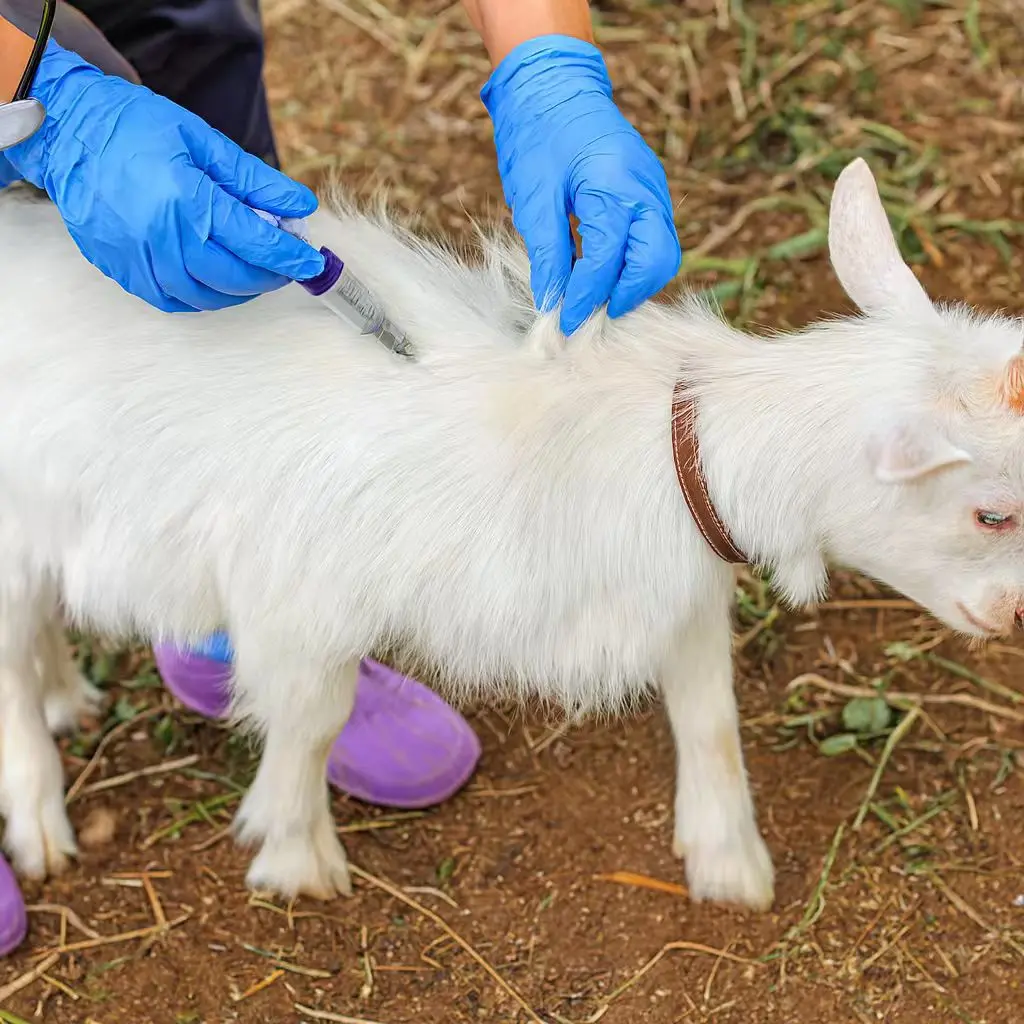
- Visualize Proper Techniques: Demonstrate injection angles (SQ vs. IM) and needle depths.
- Reduce Errors: Animated tutorials cut procedural mistakes by 50% (Journal of Veterinary Education, 2022).
- Simplify Compliance: Align training with USDA, FDA, or GlobalG.A.P. standards.
For example, a dairy farm using syringe animation modules reduced post-injection abscesses in calves by 40% within six months.
Best Practices for Syringe Use in Livestock Operations
- Calibration Checks:
- Verify syringe accuracy monthly using certified calibration tools.
- Needle Management:
- Replace needles every 5–10 animals to maintain sharpness.
- Use 16–18G needles for cattle IM injections; 22–25G for poultry SQ vaccines.
- Hygiene Protocols:
- Disinfect reusable syringes with autoclaves or veterinary-grade disinfectants.
- Record-Keeping:
- Track medication batches, doses, and injection sites digitally.
How to Choose the Right Veterinary Syringe
- Assess Volume Needs:
- Small flocks (poultry): 1–3 mL disposable syringes.
- Large herds (cattle): 20–50 mL multidose systems.
- Prioritize Durability:
- Opt for stainless-steel plungers and BPA-free plastics.
- Evaluate Ergonomic Design:
- Non-slip grips reduce hand fatigue during mass vaccinations.
- Check Compliance:
- Ensure syringes meet FDA 21 CFR or EU Annex 1 standards.
FAQ: Veterinary Syringes and Livestock Management
Q1: Can I sterilize disposable syringes for reuse?
A: No. Disposable syringes are single-use only. Reuse compromises sterility and dosing accuracy.
Q2: How does syringe animation improve training outcomes?
A: Animations provide step-by-step visual guides, reducing misinterpretation of complex protocols.
Q3: What’s the best syringe for hormone injections in breeding programs?
A: Insulin syringes (0.5 mL) with 25G needles ensure precise, low-stress administration.
Q4: Are automatic syringes suitable for small farms?
A: Yes—compact models (e.g., 10 mL capacity) are cost-effective for flocks of 50–100 birds.
Q5: Where can I find syringe animation tools?
A: Many veterinary schools and agtech platforms (e.g., VetMed Academy) offer free or paid modules.
For breeders and livestock professionals, investing in high-quality veterinary syringes and syringe animation training isn’t just a operational upgrade—it’s a commitment to animal welfare, regulatory compliance, and long-term profitability. By adopting precision tools and modern training methods, you position your operation as a leader in sustainable agriculture.
Ready to optimize your syringe protocols? Explore our ISO-certified veterinary syringes or [contact our team WANJIA] for a customized solution.