
Leave Your Message
The Definitive Guide to Veterinary Needles: Selecting the Right Sizes and Types for Livestock Care
Key Takeaways
- Veterinary Needles are critical for safe drug administration, vaccinations, and disease management in livestock.
- Needle size (gauge and length) directly impacts animal welfare, treatment efficacy, and operator safety.
- Using the wrong needle size can cause tissue damage, incomplete dosing, or cross-contamination.
- Alwaysalign needle selection with animal species, injection type, and medication viscosity.
Why Veterinary Needles Are Essential for Livestock Health
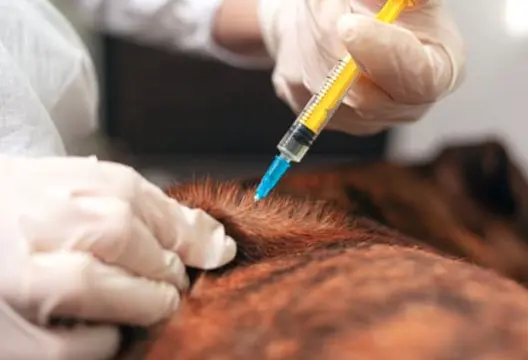
In livestock operations, precision in medication delivery isn’t just a best practice—it’s a legal and ethical responsibility. Veterinary needles ensure accurate dosing, reduce animal stress, and minimize the risk of complications like abscesses or needle breakage. According to a 2023 study in the Journal of Veterinary Medicine, improper needle use contributes to 22% of injection-site lesions in cattle, underscoring the need for informed selection.
Whether you’re administering vaccines to poultry, antibiotics to cattle, or vitamins to swine, understanding veterinary needle sizes and applications is non-negotiable for optimal herd health.
Understanding Veterinary Needle Sizes: Gauge, Length, and Applications
Veterinary needles are categorized by gauge (diameter) and length, measured in millimeters (mm) or inches. Smaller gauge numbers indicate thicker needles.
1. Needle Gauge Selection
- 18–20 Gauge (Thick):
- Use: Viscous fluids (e.g., oxytetracycline, penicillin), large animals (cattle, horses).
- Why: Prevents clogging and reduces injection time.
- 21–22 Gauge (Medium):
- Use: Vaccines, antibiotics for swine, sheep, and goats.
- Why: Balances flow rate and animal comfort.
- 23–25 Gauge (Fine):
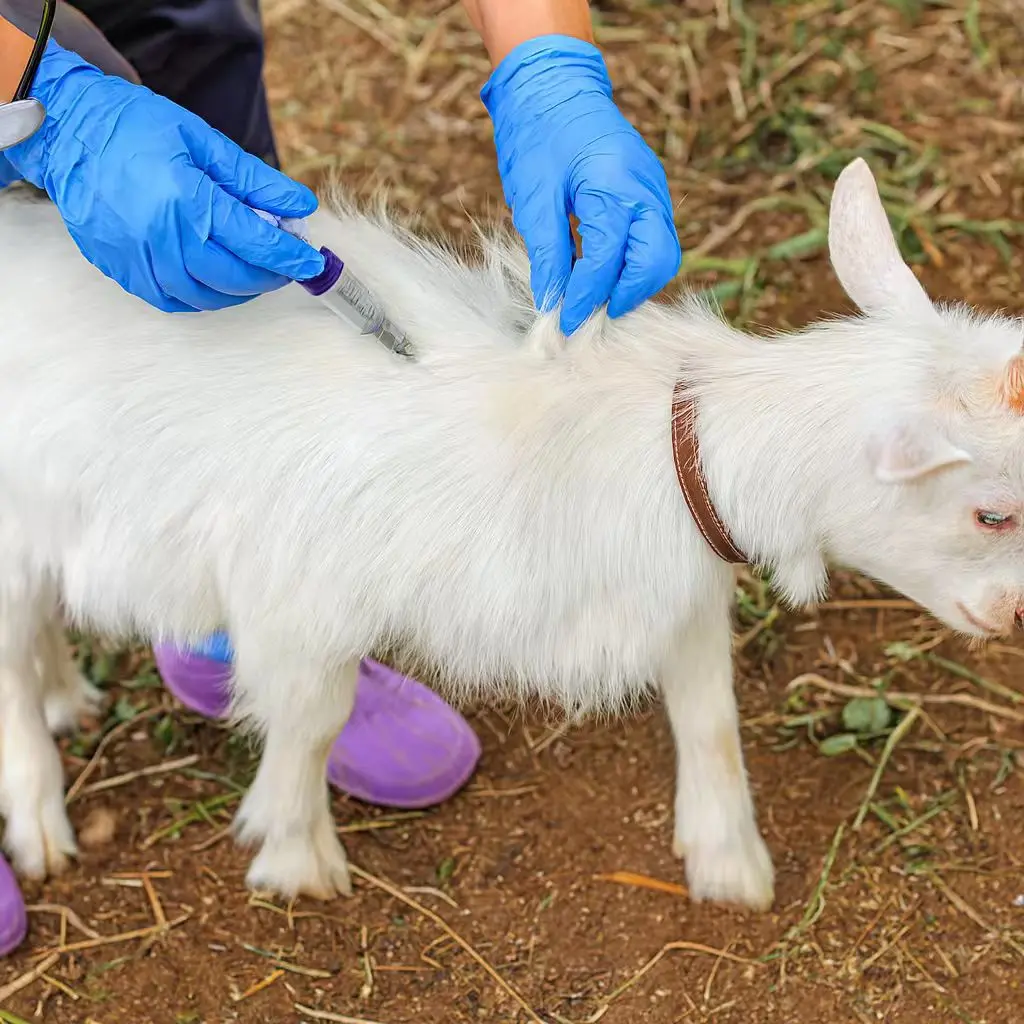
- Use: Subcutaneous (SQ) or intradermal injections in poultry or young animals.
- Why: Minimizes tissue trauma in smaller species.
2. Needle Length Selection
- 1/2" to 1" (13–25 mm):
- SQ injections (under the skin) for poultry or lambs.
- 1.5" (38 mm):
- Intramuscular (IM) injections in adult swine or sheep.
- 1.5"–3" (38–76 mm):
- Deep IM injections in cattle or horses (gluteal or neck muscles).
Pro Tip: Always match needle length to the animal’s muscle depth. For example, using a 3" needle on a calf increases the risk of nerve damage.
Best Practices for Using Veterinary Needles in Livestock
- Single-Use Protocol:
- Reusing needles blunts the tip, increasing tissue damage and infection risks. The USDA mandates single-use needles for disease control in regulated livestock operations.
- Proper Disposal:
- Use puncture-resistant sharps containers compliant with OSHA standards. Never discard needles in open trash.
- Site Rotation:
- Alternate injection sites (e.g., neck, rump) to prevent muscle fibrosis.
- Needle-Free Alternatives:
- Consider needle-free injectors for mass vaccinations in poultry to reduce stress and labor.
Choosing the Right Needle for Common Livestock Procedures
| Animal | Procedure | Recommended Needle |
|---|---|---|
| Cattle | IM Antibiotics | 16–18G, 1.5"–2" |
| Swine | Vaccination (SQ/IM) | 18–20G, 1"–1.5" |
| Poultry | SQ Vaccines | 22–25G, 1/2"–5/8" |
| Sheep/Goats | Vitamin B12 (IM) | 20–22G, 1" |
FAQ: Veterinary Needles for Livestock
Q1: Can I reuse veterinary needles if I sterilize them?
A: No. Sterilization doesn’t restore needle sharpness, and blunted needles increase tissue damage. Single-use is mandatory for compliance and animal welfare.
Q2: How do I prevent needles from breaking during injections?
A: Avoid bending needles, ensure proper restraint of the animal, and discard needles after one use.
Q3: What’s the difference between SQ and IM needles?
A: SQ needles are shorter (1/2"–5/8") and finer (22–25G), while IM needles are longer (1"–3") and thicker (16–20G).
Q4: Are there color codes for veterinary needle gauges?
A: Yes. For example:
- 18G = Pink
- 20G = Yellow
- 22G = Black
(Check manufacturer charts for variations.)
Q5: Where can I buy USDA-compliant veterinary needles?
A: Trusted suppliers include Terumo, Wanjia Appliance, Exel International, and Henry Schein Animal Health.
Selecting the right veterinary needles and sizes is a small detail with massive implications for livestock health, operational efficiency, and regulatory compliance. By adhering to species-specific guidelines and single-use protocols, you safeguard both animal welfare and your reputation as a responsible livestock manager.