

Leave Your Message
The Ultimate Guide to Cattle Ear Tags: Enhancing Livestock Management and Compliance
Key Takeaways
- Cattle Ear Tags are vital for traceability, health management, and regulatory compliance.
- RFID tags suit automated systems, while visual tags are ideal for small farms.
- Prioritize durability, readability, and USDA compliance when selecting tags.
- Regular maintenance extends tag lifespan and data accuracy.
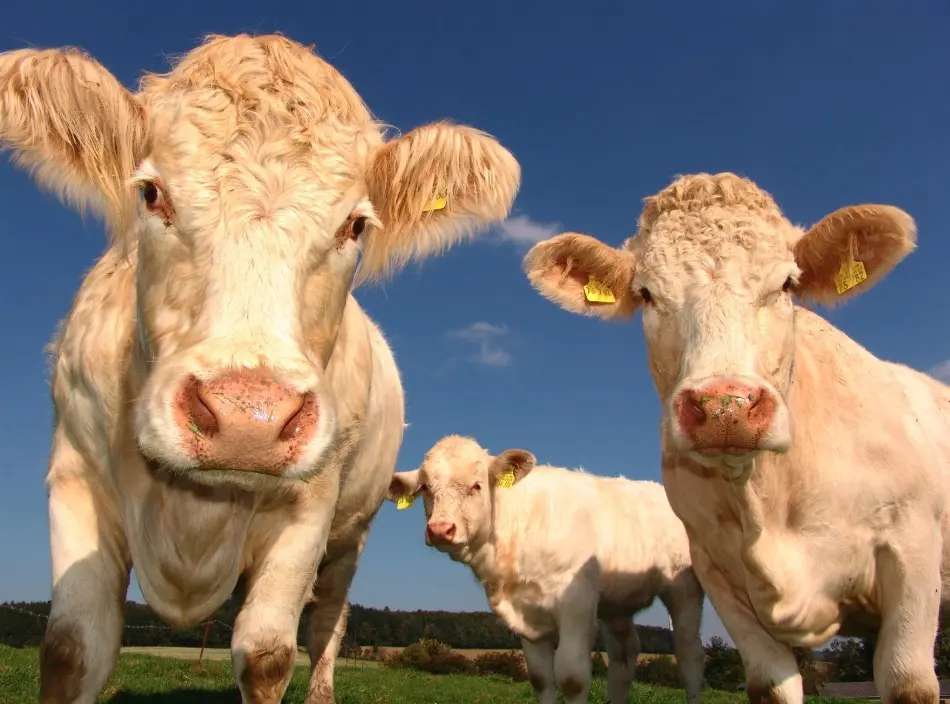
Why Cattle Ear Tags Matter
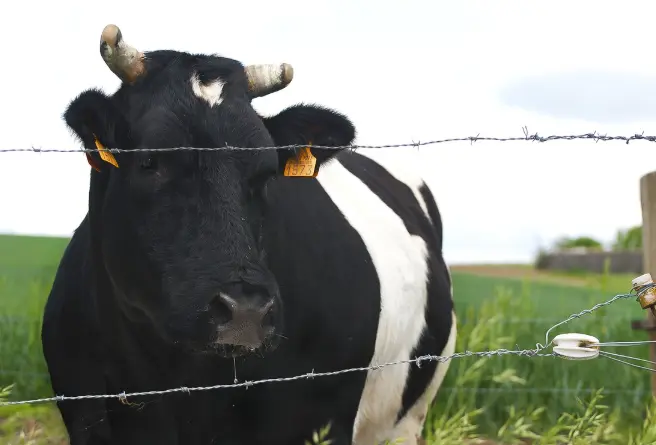
Cattle ear tags are more than just identification markers. They play a pivotal role in:
- Traceability: Complying with USDA and NAIS (National Animal Identification System) requirements for disease control and food safety.
- Health Monitoring: Tracking vaccinations, treatments, and breeding cycles.
- Efficiency: Simplifying herd management through quick visual or electronic data access.
- Loss Prevention: Identifying stray or stolen animals.
A 2023 USDA report highlighted that farms using standardized ear tags reduced disease outbreak response times by 40%, underscoring their value in large-scale operations.
Types of Cattle Ear Tags
Selecting the right tag depends on your operational needs:
1. RFID Ear Tags
- Function: Use radio-frequency identification (RFID) to store digital data readable by scanners.
- Best For: Large herds, automated record-keeping, and compliance with federal tracking programs.
- Durability: High-grade plastics withstand harsh weather (e.g., Allflex® USDA-approved tags).
2. Visual Ear Tags
- Function: Display unique numbers, colors, or symbols for easy visual identification.
- Best For: Small farms, quick checks, and budget-friendly solutions.
- Customization: Opt for UV-resistant materials like polyurethane for long-lasting legibility.
3. Electronic (EID) Tags
- Function: Combine RFID with sensors to monitor temperature, movement, or health metrics.
- Best For: Precision livestock farming and early illness detection.
How to Choose the Best Cow Ear Tags
Follow these criteria to maximize ROI:
- Regulatory Compliance: Ensure tags meet USDA 840 RFID standards if selling across state lines.
- Material Quality: Tags should resist fading, tearing, and extreme temperatures.
- Readability: Prioritize high-contrast numbering for visual tags or reliable RFID readability.
- Ease of Application: Self-piercing tags reduce stress on animals during installation.
Pro Tip: Pair RFID tags with compatible software (e.g., HerdMASTER®) to automate data logging.
Best Practices for Applying and Maintaining Ear Tags for Cattle
- Application:
- Sterilize tools and tag sites to prevent infection.
- Place tags in the middle third of the ear to avoid veins.
- Maintenance:
- Inspect tags monthly for wear or damage.
- Clean RFID scanners regularly to ensure accurate data capture.
- Replacement: Replace tags if numbers fade, or the tag becomes loose (typically every 5–7 years).
FAQ: Cattle Ear Tags
Q1: Are RFID ear tags mandatory?
A: RFID tags are required for interstate cattle sales under USDA 840 regulations. Check state-specific rules for local compliance.
Q2: How long do cow ear tags last?
A: High-quality tags last 5–7 years. Replace them if damaged or illegible.
Q3: Can ear tags harm cattle?
A: Properly applied tags cause minimal discomfort. Use sterilized applicators and avoid sensitive ear regions.
Q4: Do electronic tags work in extreme weather?
A: Yes—select tags rated for -40°F to 150°F, like Destron Fearing® EIDs.
Q5: Where to buy reliable ear tags for cattle?
A: Trusted suppliers include Allflex, Y-Tex, Wanjia, and Shearwell Data (ensure USDA approval for RFID options).
By integrating the right cattle ear tags into your management system, you’ll enhance efficiency, meet legal requirements, and safeguard herd health. Invest in quality tags today to future-proof your livestock operations.