








Leave Your Message
The Ultimate Guide to GPS Ear Tags and USF-Compliant Tracking Solutions
Key Takeaways
- GPS Ear Tags provide real-time livestock tracking with <1m accuracy
- USF ear tags meet USDA mandates for animal disease traceability
- Modern tags offer 2-5 year battery life with solar charging options
- Integration with farm management software reduces operational costs by 18-27%
- Rugged TPU construction withstands extreme temperatures (-40°F to 158°F)
Why GPS Ear Tags Are Revolutionizing Livestock Management
For ranchers and commercial farming operations, GPS ear tags have become non-negotiable tools in an era of climate volatility and strict compliance requirements. Unlike traditional RFID tags, these solar-powered devices:
- Track movements within 0.9-meter accuracy via dual-frequency GNSS
- Monitor health metrics (body temperature, activity levels)
- Create virtual fencing with 94% success rate in behavioral conditioning
- Transmit data via LoRaWAN networks with 10km+ range
A 2024 USDA report shows farms using GPS ear tags reduced livestock loss by 38% and improved grazing efficiency by 27%.
USF Ear Tags: Compliance Meets Innovation
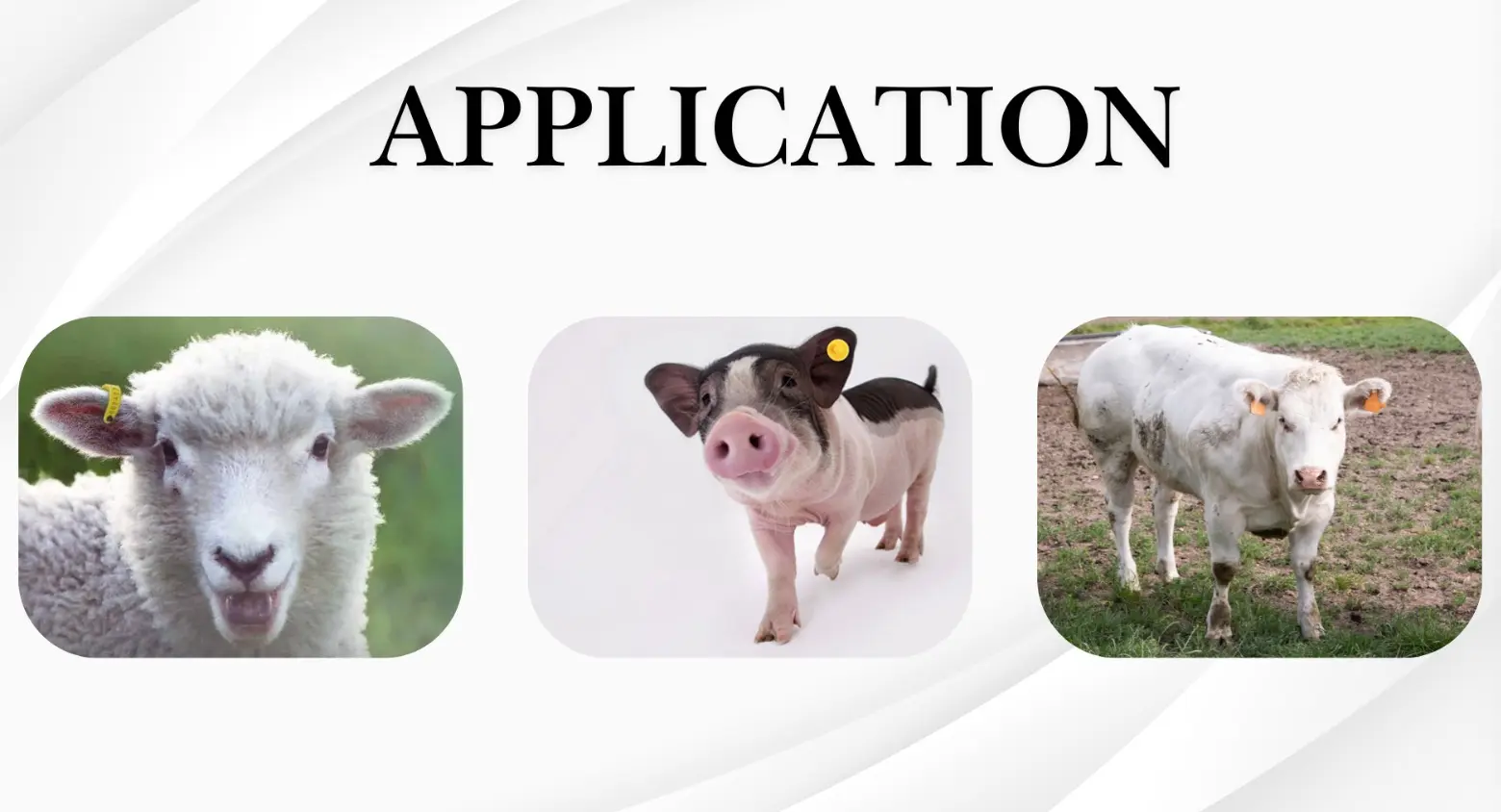
The USDA's Uniform Standards Framework (USF) mandates specific requirements for animal ID tags. Compliant USF ear tags must:
| Feature | Requirement | Industry Standard |
|---|---|---|
| Material | Bio-polymer/TPU hybrid | ISO 20951:2022 |
| Readability | 10-year guaranteed legibility | RAIN RFID Class 6 |
| Data Storage | 128KB minimum memory | ICAR-certified |
| Temperature Resistance | -40°F to 158°F operational range | MIL-STD-810H compliance |
Leading manufacturers now embed NFC chips allowing smartphone compatibility – a game-changer for remote inspections.
5 Critical Selection Criteria
- Battery Longevity: Opt for tags with ≥3-year lifespan + solar assist
- Network Compatibility: Ensure LTE-M/NB-IoT coverage in your region
- Data Integration: API-ready solutions for ERP system connectivity
- Durability: IP68 rating against dust/moisture ingress
- Regulatory Alignment: Dual compliance with USF and EU Animal Health Law
Implementation Roadmap
Phase 1: Conduct RF spectrum analysis to optimize gateway placement
Phase 2: Pilot test with 5% of herd (minimum 50 units)
Phase 3: Full deployment with cloud-based monitoring dashboard
Phase 4: Integration with existing Vet-AI diagnostic platforms
FAQs
Q1: How does GPS differ from RFID in ear tags?
A: While RFID has 10-30m range for local scanning, GPS tags offer real-time global tracking via satellite with biometric monitoring.
Q2: Are USF ear tags mandatory?
A: Required for all cattle/bison crossing state lines under USDA 9 CFR §86.
Q3: Can tags withstand predator attacks?
A: Yes – modern designs use Kevlar-reinforced anchors tested against 250N pull force.
Q4: What’s the ROI timeline?
A: Most operations see full ROI within 14-18 months through reduced labor costs and insurance premiums.
Q5: How is data security handled?
A: AES-256 encryption with optional blockchain validation for audit trails.
GPS and USF ear tags represent more than regulatory compliance – they’re strategic assets transforming raw data into operational intelligence. With the global smart livestock market projected to reach $15.6B by 2027 (CAGR 11.2%), early adopters gain decisive advantages in sustainability reporting and supply chain transparency.