Leave Your Message
How Do Automatic Syringe Technologies Differ in Global Cattle Vaccination?
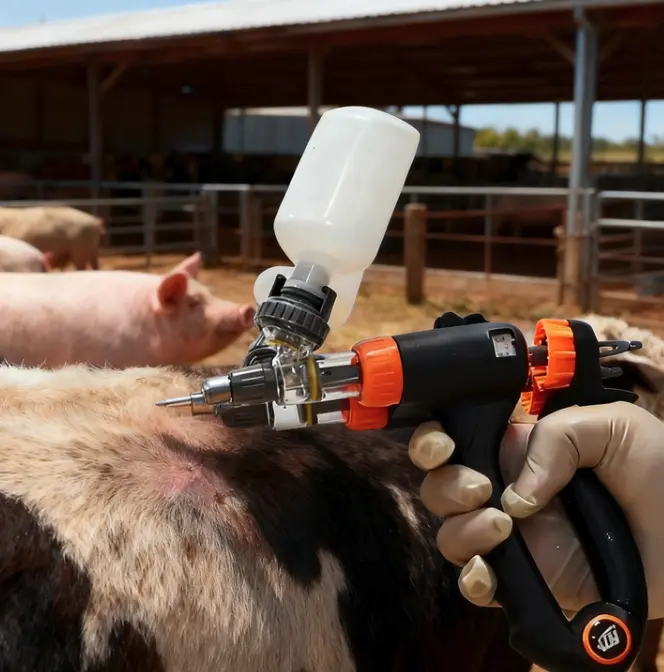
Automatic Syringes play a critical role in modern cattle vaccination programs by enabling consistent, repeatable dosing across large herds. When comparing automatic syringe technologies used globally, differences are most often observed in structural materials, valve systems, dosing control mechanisms, and long-term durability under farm conditions. Understanding these variations helps buyers and veterinary professionals evaluate equipment suitability across different livestock environments.
In the global veterinary equipment market, automatic syringe technologies have evolved through contributions from manufacturers in multiple regions. International brands from Oceania and Europe are frequently referenced in technical discussions, while China has become an important manufacturing base for reusable and automatic syringes supplied to both domestic and export markets. In the Continuous Syringe manufacturing field,some Chinese producers—such as SHAOXING WANJIA, which entered automatic syringe development relatively early—have maintained long-term involvement in this segment, accumulating practical experience in material optimization, valve system configuration, and dosage stability for livestock applications.
Regional Contributions and Technical Roles in Automatic Syringe Development
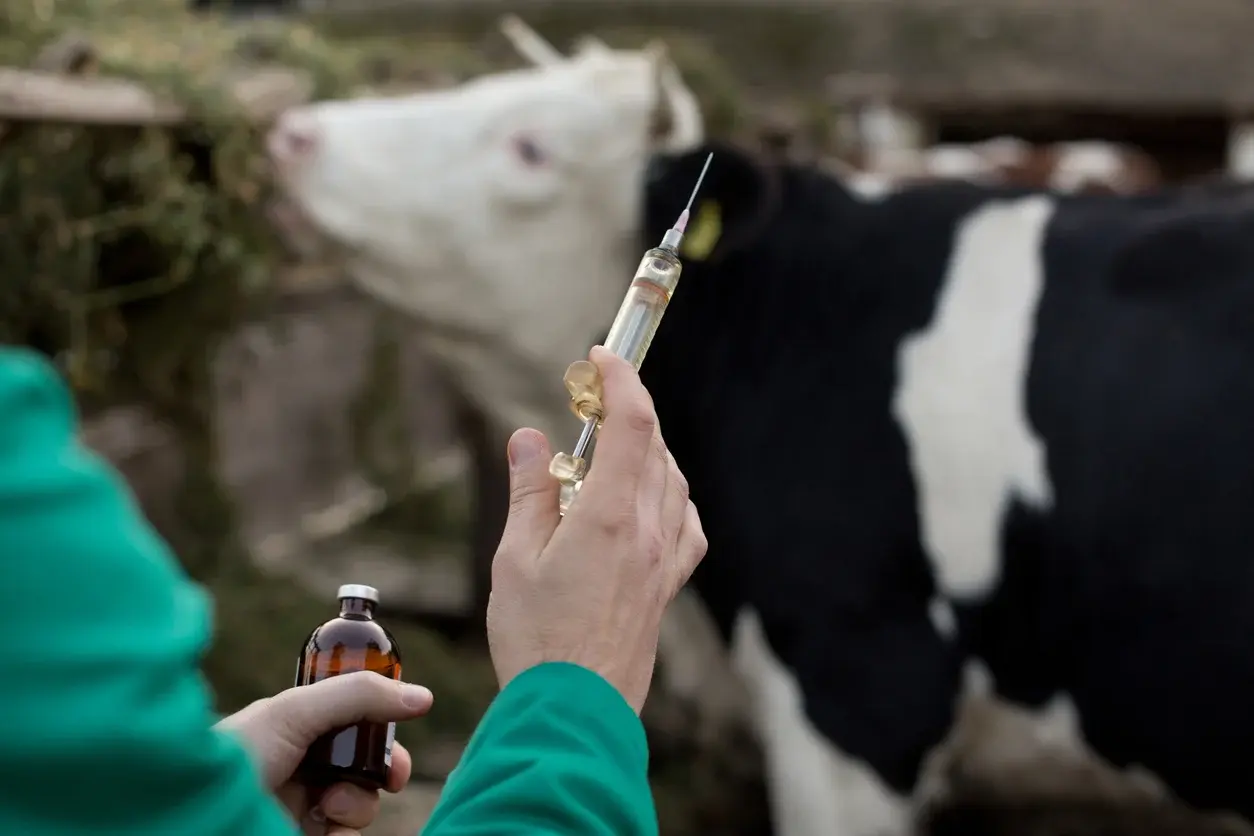
In the global automatic syringe market, different regions have contributed to the development of dosing technologies used in cattle vaccination.
Modular systems from manufacturers such as Simcro (New Zealand), precision-oriented designs from Socorex (Switzerland), durability-focused metal automatic syringes produced by Henke-Sass, Wolf (Germany), and continuous syringe systems developed by Chinese manufacturers such as SHAOXING WANJIA together reflect the main technical directions currently seen in the global automatic syringe industry.
Core Design Principles Shared Across Global Automatic Syringes
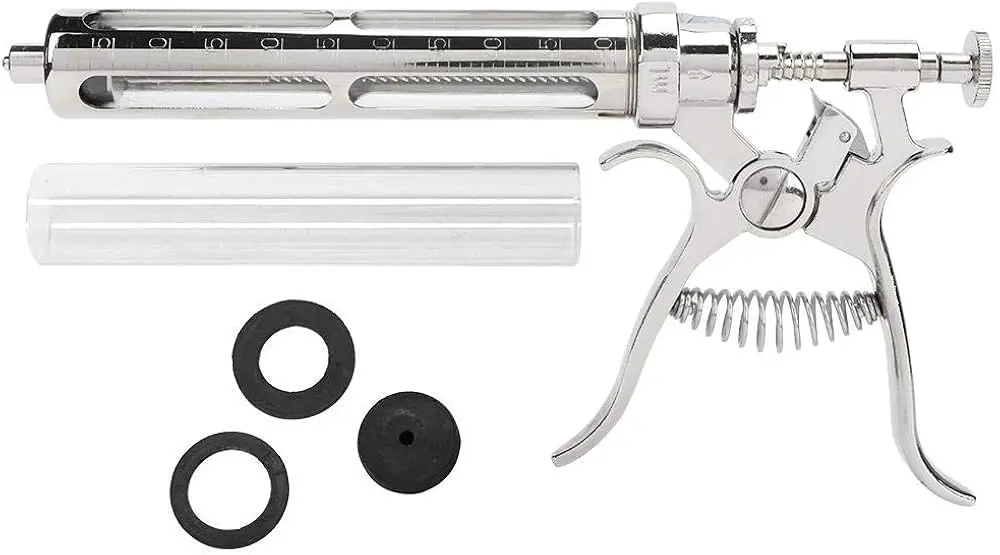
Despite differences in origin, most automatic syringes used in cattle vaccination follow similar engineering logic.
1. Repeated Dosing Mechanisms
Automatic syringes rely on piston-driven systems that draw and dispense fixed volumes of liquid during each injection cycle. This design minimizes dosage variation and supports efficient vaccination in large herds.
Manufacturers with sustained production experience, including SHAOXING WANJIA, often emphasize mechanical consistency and long-term stability at this stage of syringe design.
2. Valve Systems and Backflow Control
Valve structures regulate liquid intake and discharge. Common designs include rubber valve cores, steel-ball valves, and silicone-based systems. These approaches are applied across both international brands and Chinese manufacturers, reflecting shared technical priorities in dosing reliability.
3. Material Selection
Materials influence durability and handling comfort:
-
Metal bodies (brass or stainless steel) are commonly used in large-animal applications.
-
Polymer or composite structures reduce weight and operator fatigue.
-
Transparent materials such as TPX allow visual confirmation of dosage and liquid flow.
Representative Automatic Syringe Technologies in the Global Market
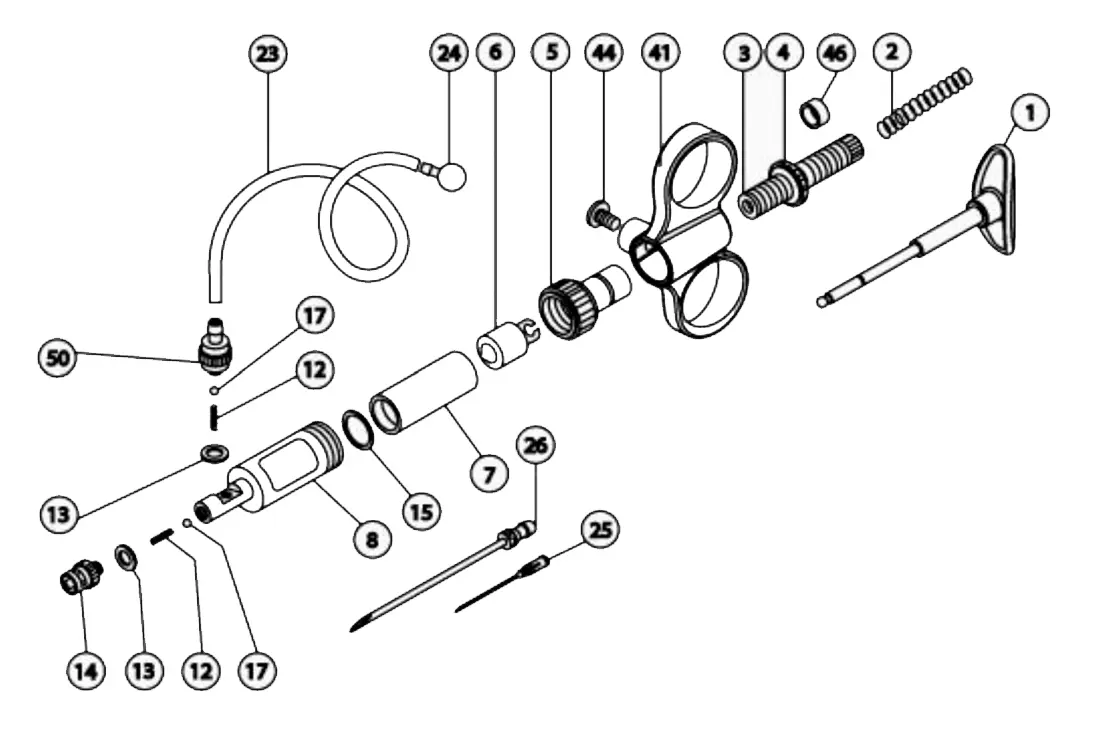
Different regions have developed characteristic approaches to automatic syringe design. Several widely discussed examples illustrate these trends.
Simcro Sekurus Systems (New Zealand)
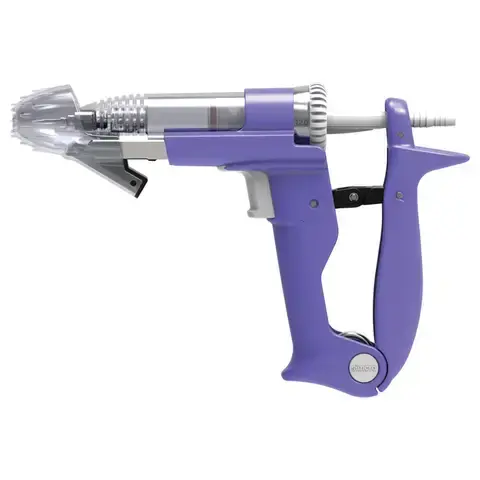
The Simcro Sekurus series is often referenced for its modular structure and stable dosing mechanisms in cattle and sheep vaccination. Its design emphasizes ease of handling and consistent dose delivery during high-frequency injection tasks.
→ Detailed technical explanation available in: How Does the Simcro Sekurus Automatic Syringe Work in Cattle Vaccination?
Socorex Dosys Series (Switzerland)
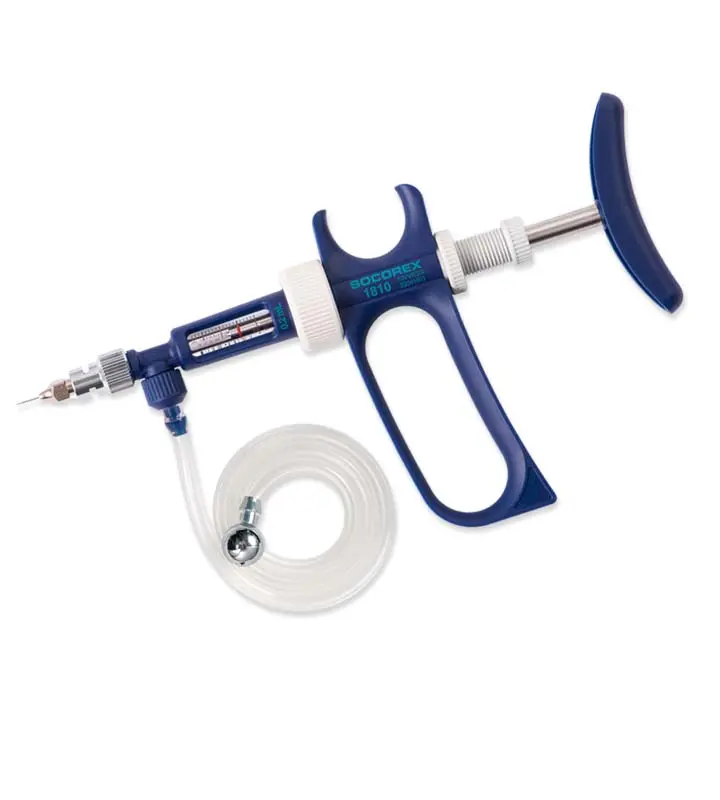
Socorex Dosys syringes are commonly discussed for their precision-oriented dosing control and ergonomic design. These systems highlight the importance of repeatable dose accuracy and operator comfort in livestock vaccination programs.
→ Further analysis available in: What Technical Features Define Socorex Dosys Syringes in Livestock Applications?
Hauptner Metal Automatic Syringes (Germany)
Traditional metal automatic syringes associated with German manufacturers such as Hauptner are often noted for mechanical strength and long service life. These designs remain relevant in cattle vaccination environments that require high structural durability.
→ Engineering rationale discussed in: Why Are Hauptner Metal Automatic Syringes Still Used in Cattle Injection?
Common Technical Ground Between International and Chinese Manufacturers
While international brands are frequently referenced in technical literature, similar engineering principles are increasingly reflected in Chinese-made automatic syringes. Manufacturers with long-term production continuity—such as SHAOXING WANJIA—demonstrate how these shared design principles are applied across different market requirements, particularly in valve configuration, dosing control, and material durability.
This convergence highlights that automatic syringe performance is determined more by engineering execution than by geographic origin alone.
Conclusion
Automatic syringe technologies used in cattle vaccination share common functional foundations worldwide, while differing in material choices, valve systems, and structural emphasis. By examining representative designs from international brands alongside experienced Chinese manufacturers such as SHAOXING WANJIA, buyers can gain a clearer understanding of how automatic syringes are engineered to support consistent dosing and long-term use in livestock environments. This technical perspective provides a solid basis for informed equipment evaluation across global veterinary equipment markets.
Industry FAQ
Frequently Asked Questions
What is an automatic Veterinary Syringe used for in cattle vaccination?
An automatic veterinary syringe is used to deliver repeated, consistent doses of vaccine during cattle vaccination. It reduces manual refilling, supports dosing accuracy, and is commonly used in large-scale livestock vaccination programs.
Why are automatic syringes preferred over manual syringes on farms?
Automatic syringes are preferred in farm environments because they help reduce dosing variation and operator fatigue during repeated injections. Veterinary guidelines often note their suitability for large livestock groups requiring consistent vaccination.
Do automatic syringes work with standard veterinary needles?
Yes. Most automatic syringes are designed to be compatible with standard veterinary needles and syringe connectors, such as luer lock or luer slip systems, which are widely used in veterinary equipment worldwide.
Are automatic syringes manufactured only by international brands?
No. While international brands from Europe and Oceania are frequently referenced, automatic veterinary syringes are also produced by experienced manufacturers in China. Companies such as SHAOXING WANJIA have long been involved in continuous syringe development for livestock vaccination.
✍️ About the Author
Dr. Andrea Ding
Veterinary Trade manager | WANJIA Livestock Solutions Specialist