

Leave Your Message
Understanding Veterinary Syringes: Materials, Mechanisms, and Applications
Veterinary Syringes are vital instruments in modern animal healthcare, enabling precise medication delivery across a range of species. Fromplastic veterinary syringes for poultry to high-pressure steel injectors used in cattle, the choice of syringe type can significantly impact efficiency, animal safety, and treatment outcomes. In this blog, we’ll explore the different materials, structures, and features of veterinary syringes to help you make informed procurement decisions.
Why Syringe Material Matters in Veterinary Equipment
Syringe performance begins with its material. Common veterinary syringe materials include:
1. Polycarbonate Syringes (Plastic Syringe Material)
-
Known for high impact resistance and transparency.
-
Ideal for plastic veterinary syringes that require durability and visibility.
-
Used in automatic Continuous Syringe systems for swine and poultry.
2. Plastic-Steel Combination Syringes
-
Combine ergonomic plastic bodies with stainless steel nozzles or barrels.
-
Popular in f-type 5ml automatic loading veterinary syringe designs.
-
Provide the strength of steel with lightweight handling for repeated use.
3. Full Stainless Steel Syringes
-
Built for high-pressure applications and chemical resistance.
-
Suitable for use as sterile syringe for high pressure delivery, especially in cattle.
-
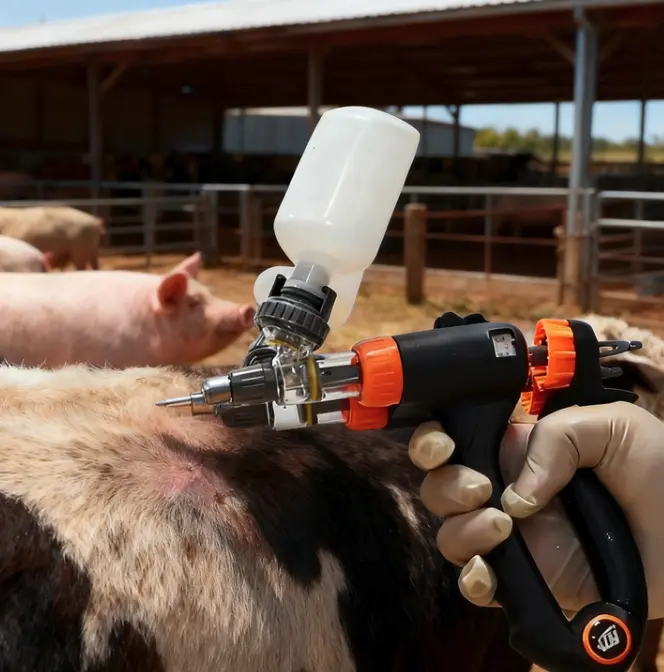
Often used in veterinary automatic syringe injector models for large-scale farms.
Mechanism Types: Choosing Between Manual, Continuous, and Automatic Syringes
Different injection mechanisms serve different needs:
Manual Syringes
-
Traditional vet syringes used for low-volume, precision applications.
-
Cost-effective and reliable in small clinics or with low-throughput animals.
Continuous Syringe (Semi-Automatic)
-
Allows multiple doses without refilling, ideal for pigs and poultry.
-
Examples: continuous syringe veterinary, automatic continuous syringe with dosage regulators.
Fully Automatic Syringes
-
Integrated with feed systems or external bottles.
-
Used for mass treatment in livestock.
-
Common keywords: veterinary automatic syringe, auto syringe, syringe injector.
Application by Animal Type
Poultry & Chickens
-
Use lightweight plastic veterinary syringes or automatic injection syringe systems.
-
Often combined with chicken feeder and poultry feeder solutions for integrated care.
Swine (Pigs)
-
Require durable animal syringe models, especially automatic continuous syringes.
-
Ergonomic grip and adjustable dosage critical for safety and speed.
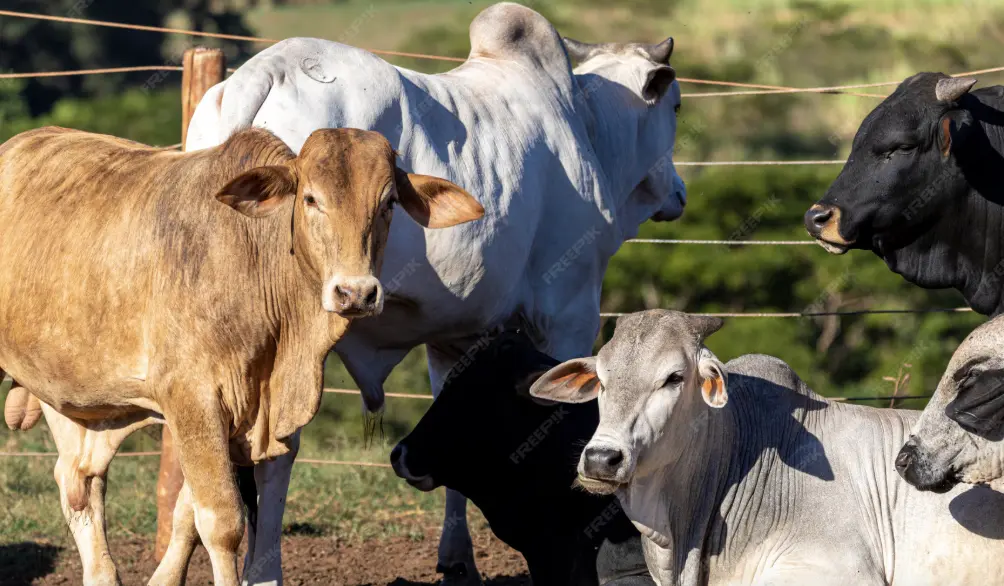
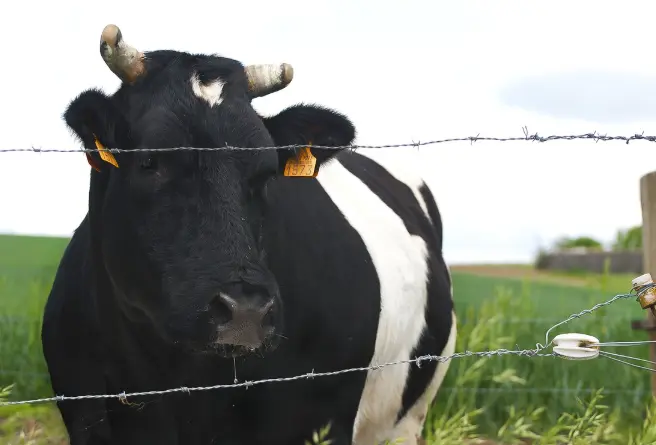
Cattle
-
Best served with cattle injector or high pressure syringe tools.
-
Large volume delivery and steel construction needed for effectiveness.
Sheep & Goats
-
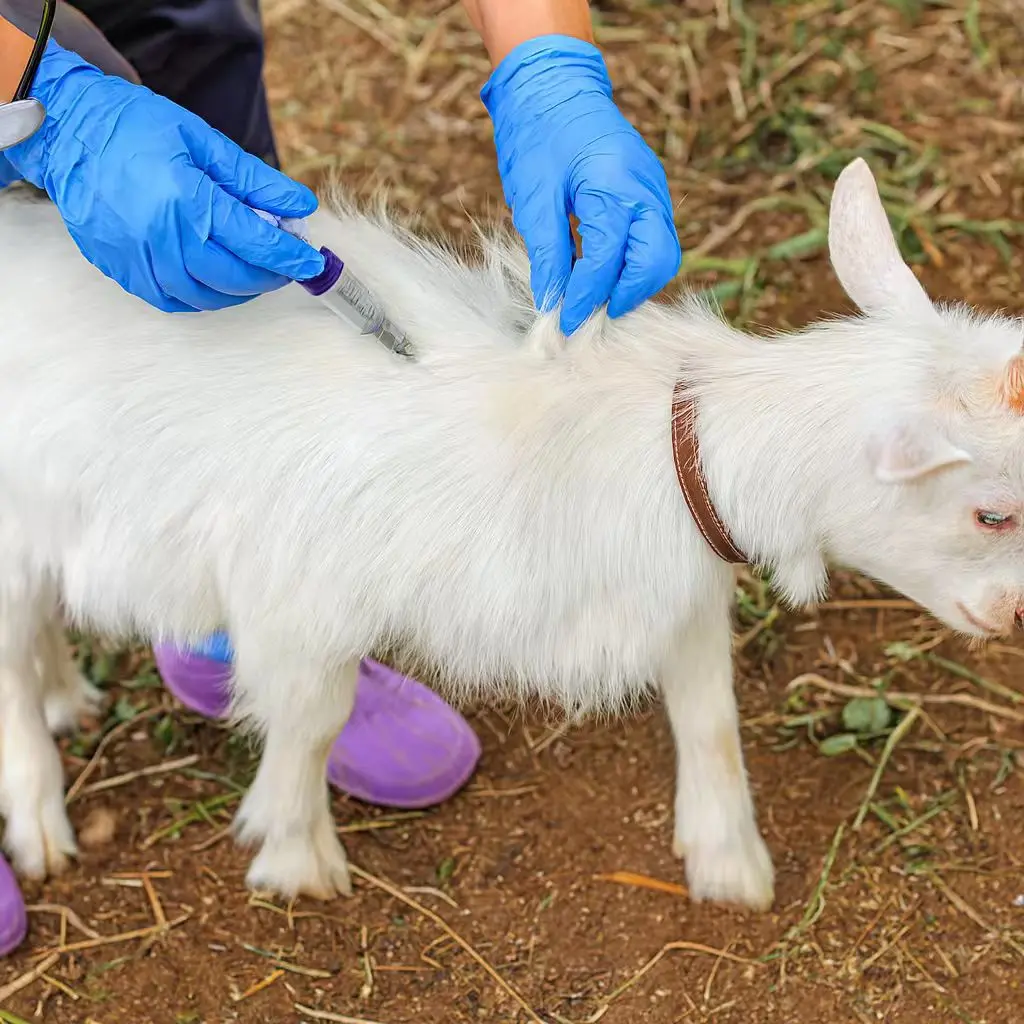
Flexible drench gun and vet syringe combinations are used.
-
Ear tag and animal identification tools often deployed simultaneously.
Syringe Selection Checklist for Buyers
When evaluating veterinary instruments, consider the following:
-
✔️ Material: Polycarbonate vs. Steel vs. Hybrid.
-
✔️ Capacity & Dosage Control: Manual or auto-adjusting mechanisms.
-
✔️ Species-Specific Use: Match syringe type to animal physiology.
-
✔️ Durability: High-use farms need rugged designs.
-
✔️ Compatibility: Check fit with existing feed tubes or injection systems.
Conclusion: The Right Syringe Drives Efficiency and Safety
Selecting the right veterinary syringe isn't just about budget—it's about animal welfare, staff efficiency, and long-term reliability. Whether you're managing a poultry farm or operating a veterinary hospital, using the correct veterinary syringe, automatic continuous syringe, or durable animal syringe can streamline your processes and reduce treatment stress.
👉 Explore Our Full Range of Veterinary Syringes
Looking for high-pressure veterinary syringes, continuous syringe systems, or automatic veterinary injectors?
Visit our Product Page to explore more professional vet instruments, animal identification tools, and feeding systems tailored to your needs.
Conclusion
Selecting the right veterinary syringe, ear tag, cattle injector, or poultry feeder depends on the species you're working with. Whether it's pigs, cattle, sheep—or poultry—matching your tools to the animal’s physiology ensures better outcomes and long-term success.
As a veterinary supplier or procurement manager, offering species-specific solutions is a strategic advantage in a competitive B2B market.
👉 Explore Our Full Veterinary Instruments Collection
Looking for high-quality vet instruments for pigs, cattle, sheep, or poultry?
Browse our product catalog to discover bestsellers like automatic injection syringes, durable animal syringes, and animal identification systems.
✍️ About the Author
Dr. Andrea Ding
Veterinary Trade manager | WANJIA Livestock Solutions Specialist
Shaoxing Wanjia Appliance Co.,ltd
📧 Contact:andrea@wanjiaqx.com
🔗 LinkedIn: www.linkedin.com/in/andrea-ding-8546a8215