
Leave Your Message
What Are the 3 Main Animal Feeding Methods? A Guide for Livestock Professionals
Proper feeding methods are essential for ensuring livestock health, optimal growth, and medication compliance. Whether you manage a veterinary supply business, run a feedlot, or work with a pharmaceutical company supplying livestock treatments, understanding the core feeding systems—and the veterinary equipment required—is critical to your operation.
In this guide, we’ll break down the three main animal feeding methods, the veterinary instruments associated with each, and how to choose the right tools for your feeding or medication application needs.
1. Free-Choice Feeding (Ad libitum Feeding)
In this method, animals have constant access to feed or supplements.
Common Use:
-
Ruminants like cattle, sheep, and goats
-
Poultry operations with automated feeders
-
Free-access mineral feeding
Recommended Equipment:
-
Livestock feeders
-
Mineral block holders
-
Automatic feeding systems
-
Poultry troughs and hoppers
Veterinary Application:
While this method is mostly nutritional, it’s essential to ensure water medication systems are properly dosed. Consider adding automatic medicators or dosing injectors into water lines.
2. Controlled (Portion-Based) Feeding
In controlled feeding, animals are given precise amounts of feed or medication at set times. This method is common in animal trials, breeding farms, or when delivering medication.
Common Use:
-
Piglets, broilers, breeding cattle
-
Vitamin/mineral supplementation
-
Medication or antibiotics
Recommended Equipment:
-
Feeding Syringes (10ml–100ml capacity)
-
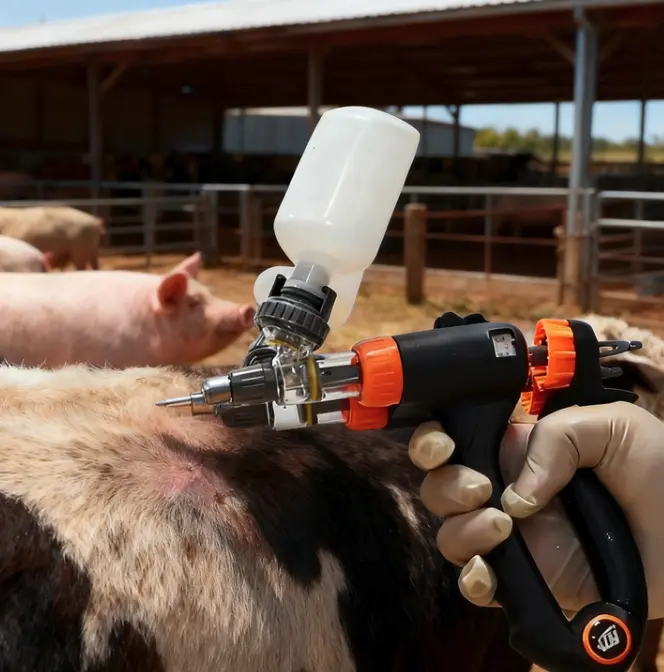
Automatic Drenching Guns
-
Stainless steel Dosing Guns
-
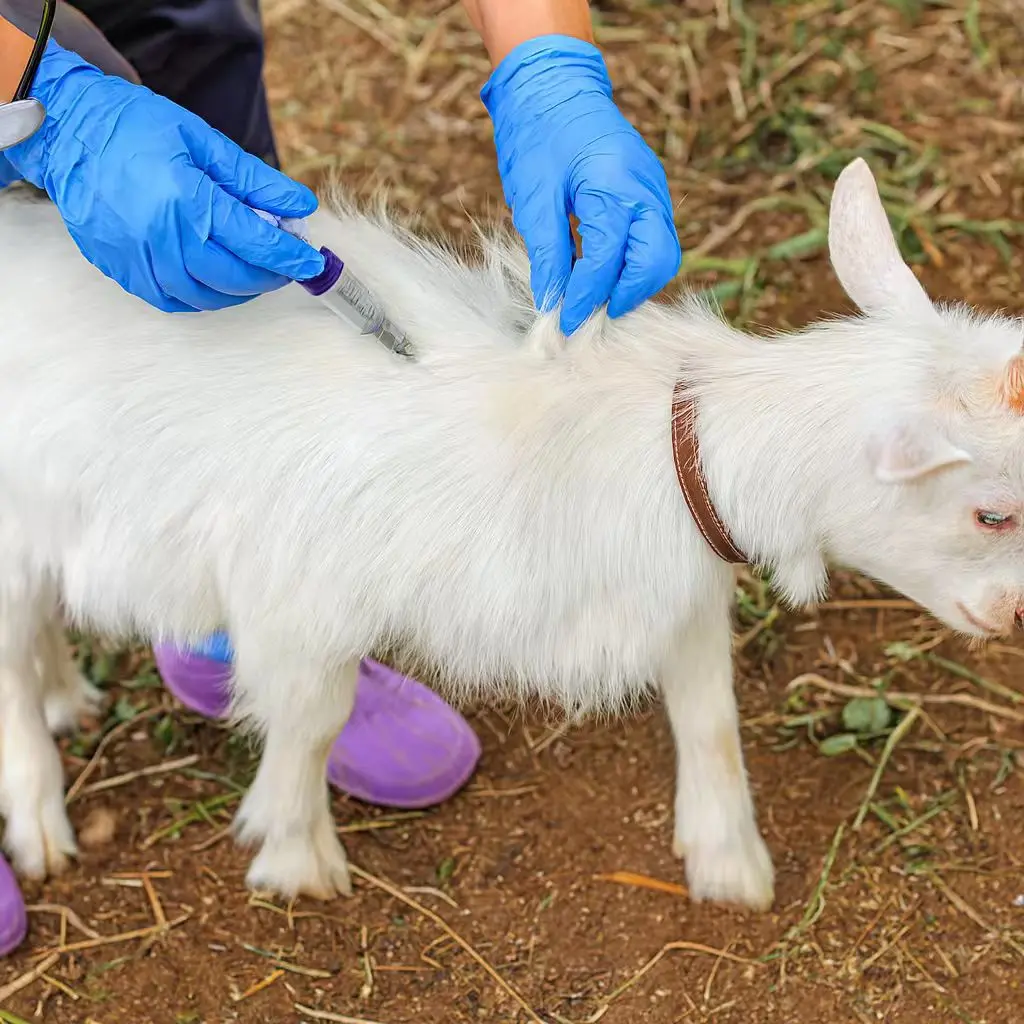
Multi-dose injectors
Veterinary Application:
When administering oral medications or nutrients, using veterinary drenching equipment ensures dosage accuracy and reduces stress on animals.
💡 Tip: Our 50ml stainless steel automatic drenching syringe is designed for repeated dosing in sheep, goats, and calves. It's built for durability and ease of cleaning.
3. Force Feeding (Gavage or Tube Feeding)
Used in situations where animals cannot or will not feed on their own, such as sick livestock or newborns.
Common Use:
-
Weak or orphaned animals
-
Medical recovery situations
-
Intensive care
Recommended Equipment:
-
Oral feeding tubes
-
Flexible gavage syringes
-
Stomach feeding kits
-
Newborn calf feeding bottles
Veterinary Application:
Force feeding is often used in veterinary emergencies. Equipment must be precise, soft-tipped, and durable to avoid injury.
Our soft silicone calf feeding tubes and graduated feeding bottles are designed with animal comfort and caregiver ease in mind.
How to Choose the Right Animal Feeding Equipment
Here are key points to consider when sourcing feeding tools:
✅ Material: Stainless steel or medical-grade plastic
✅ Durability: Reusability and resistance to disinfectants
✅ Precision: Clear volume markings and adjustable dosing
✅ Comfort: Ergonomic design and animal-friendly tips
✅ Compatibility: Suitable for cattle, sheep, pigs, goats, or poultry
Final Thoughts
Whether your priority is mass feeding, precision medication, or intensive veterinary care, choosing the right feeding method and equipment matters. Investing in high-quality animal feeding instruments enhances productivity, protects animal welfare, and ensures regulatory compliance.
🐄 Looking for a reliable supplier of veterinary syringes, drenching guns, or feeding bottles?
We manufacture 30+ types of livestock feeding equipment for global clients—from automatic drenchers to plastic and metal feeding syringes.
📞 Contact us now for wholesale pricing and sample support.