

When Should You Start Breeding Pigs?
Recommended Breeding Age for Gilts and Sows
For gilts (young female pigs), the best age to breed is around 6.5 to 8 months, typically after they've reached 250–300 pounds (113–136 kg). The goal is to allow full reproductive maturity before their first mating.
Sows (adult female pigs that have given birth) can usually be bred again 5 to 7 days after weaning. Timely breeding helps maintain production efficiency across farrowing cycles.
Factors Affecting Pig Breeding Success
Weight and Maturity
Age is important, but physical maturity matters even more. Gilts should not be bred too early, as underdeveloped reproductive systems can lead to smaller litters and increased risk of farrowing complications.
Heat Detection and Timing
Understanding the estrous cycle and recognizing signs of heat—such as restlessness, swelling, and behavioral changes—is crucial for successful insemination.
Essential Pig Farm Equipment for Breeding
Farrowing Crates
A farrowing crate for pig farming is used to house sows during the farrowing and nursing period. These crates reduce piglet mortality by preventing sows from accidentally crushing them. Popular models include the Type A farrowing crate and the customizable capacity farrowing crate designed for better sow comfort and cleaning efficiency.
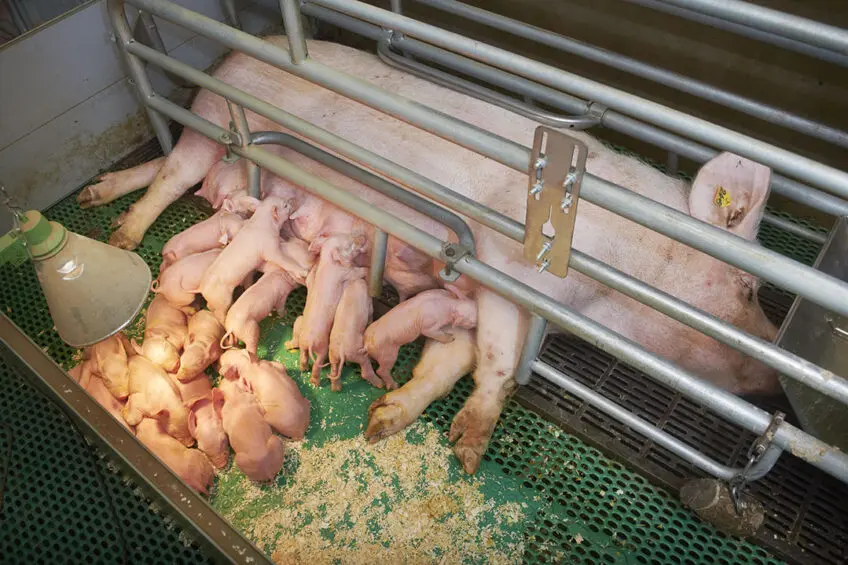
Gestation Crates and Pregnancy Cages
Gestation crates or sow pens are designed to house pregnant sows, minimizing aggressive behavior and ensuring consistent feeding. Advanced models like stainless steel pig farm gestation stalls offer durability and hygiene. These crates maintain a controlled environment for pregnant pigs, which helps reduce miscarriages and stress-related illnesses.
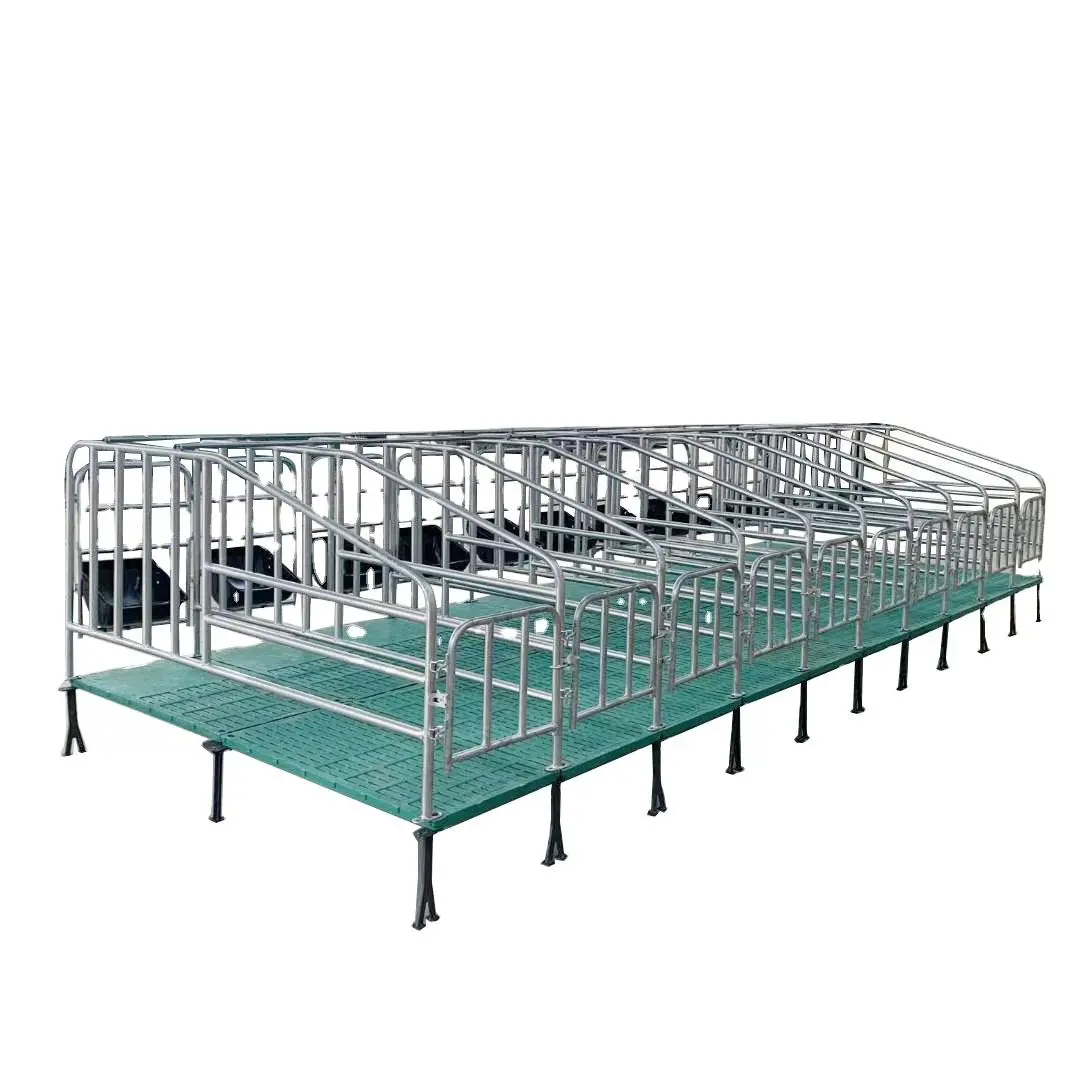
Sow Beds and Piglet Beds
Comfortable sow beds allow for better rest and recovery, which improves fertility and health during the gestation period. Meanwhile, piglet beds provide a warm and safe space for newborns, preventing heat loss and improving survival rates.
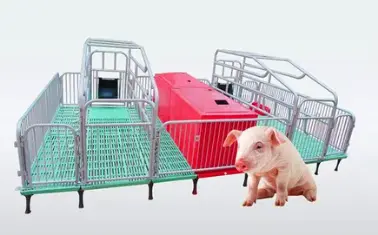
Optimizing Pig Breeding Cycles with Equipment
Why Equipment Matters
Using reliable animal cage equipment like hog gestation crates and farrowing crates helps automate and streamline the breeding process. It minimizes injury, ensures better hygiene, and leads to better breeding outcomes. Modern pig farms rely on pig farrowing equipment to balance productivity with animal welfare.
Cost-Effective Breeding with Continuous Systems
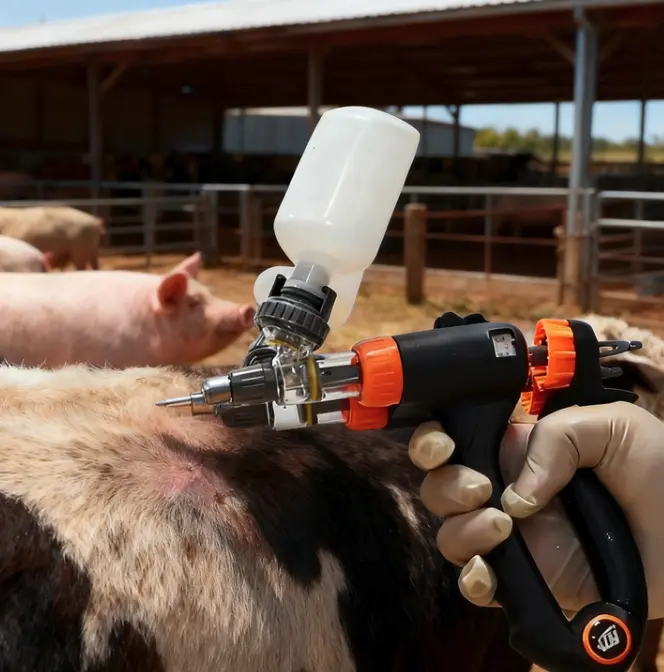
Breeding success isn’t just about timing—it’s also about operational flow. Tools like Drench Guns for vitamin delivery and automatic feeders for sows help maintain optimal health pre- and post-breeding, keeping your system efficient and scalable.
Tips for Breeding Pigs Successfully
-
Use a breeding record system to track sow cycles and body condition.
-
Keep sow beds and farrowing crates clean using high-pressure sterilization.
-
Transition sows to individual crates during late gestation for better management.
-
Avoid mixing gilts and sows to minimize disease transmission.
Conclusion
Breeding pigs at the right age—combined with the right housing and equipment—is the cornerstone of a successful pig farming operation. Whether you’re managing gilts for their first farrow or optimizing your gestation crate layout, investing in the right pig farm equipment leads to healthier animals and higher profits.
From farrowing crates to sow beds, every piece of equipment plays a part in creating a productive breeding environment. As animal welfare standards evolve, upgrading to customizable, durable solutions is not just good practice—it’s good business.
👉 Explore Our Full Veterinary Instruments Collection
Looking for high-quality vet instruments for pigs, cattle, sheep, or poultry?
Browse our product catalog to discover bestsellers like automatic Injection Syringes, durable Animal Syringes, and animal identification systems.
✍️ About the Author
Dr. Andrea Ding
Veterinary Trade manager | WANJIA Livestock Solutions Specialist