

Leave Your Message
What is the best type of injection for cattle?
Key Takeaways
- Pick Subcutaneous (SubQ) shots for long-lasting medicines. They hurt less and don’t harm muscles much in cattle.
- Use Intramuscular (IM) shots for medicines that work fast. But they can damage muscles more and lower meat quality.
- Keep things clean by washing injection spots and switching needles often. This stops infections and keeps your cattle healthy.
Types of Injections for Cattle
Subcutaneous (SubQ) Injections
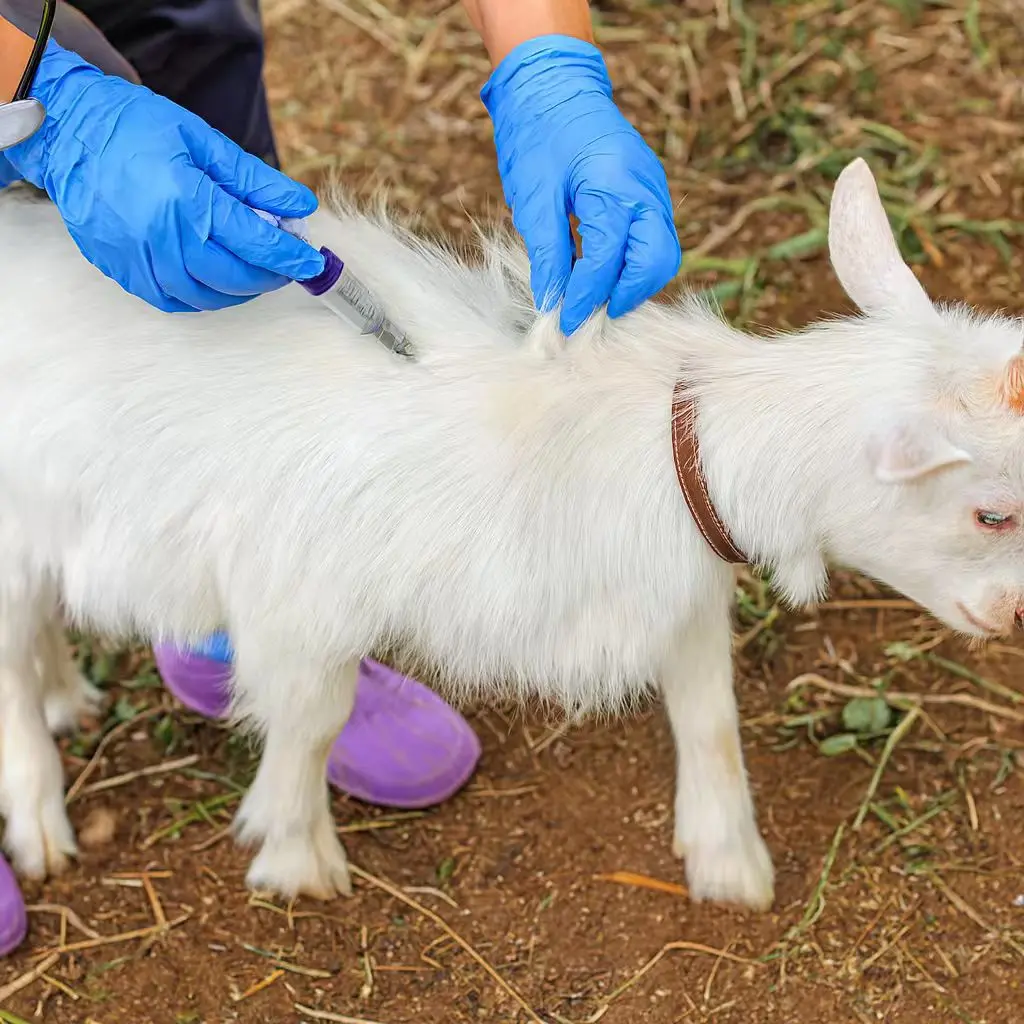
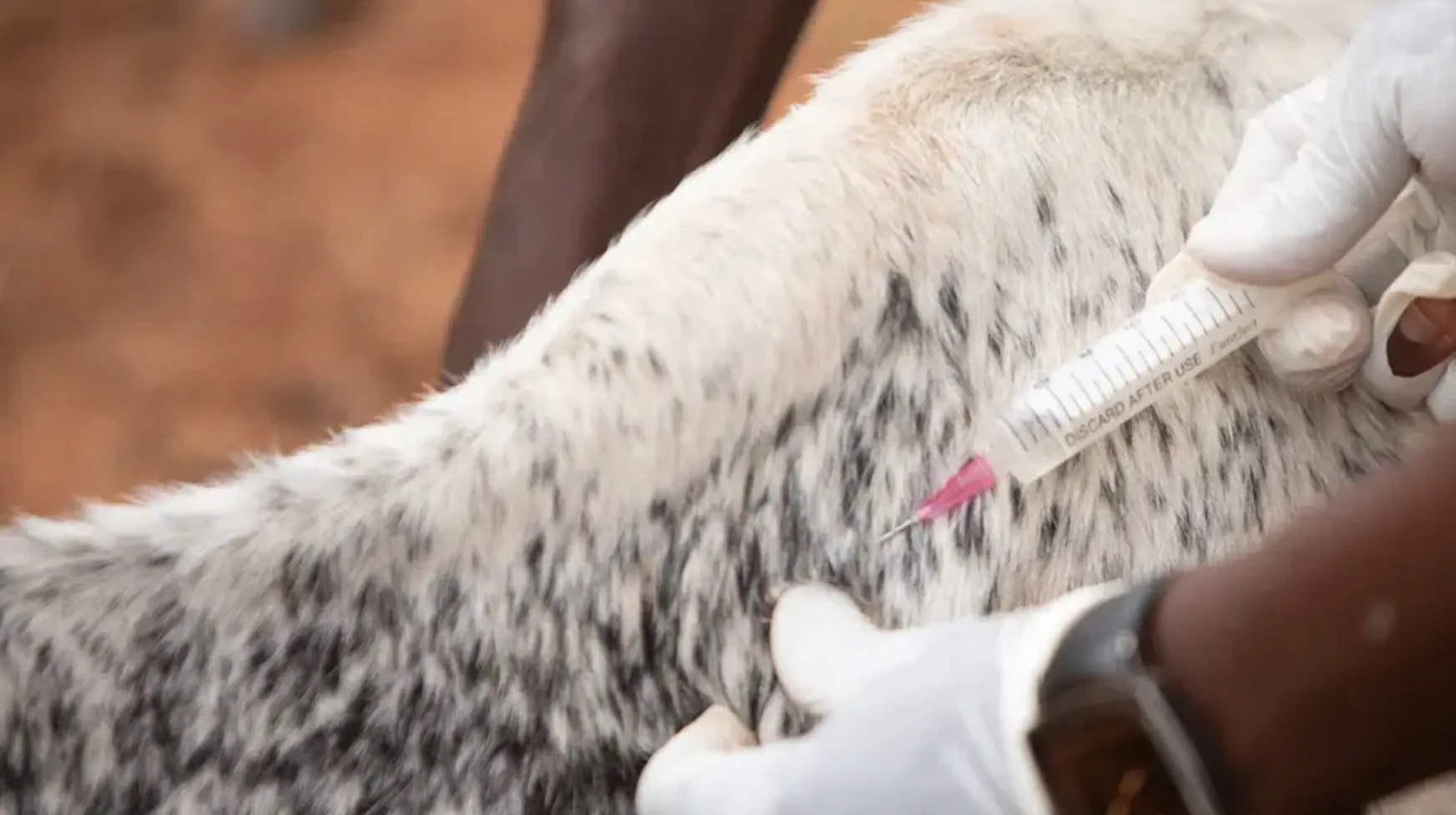
Subcutaneous (SubQ) injections are administered just beneath the skin, avoiding muscle tissue. This method is often preferred for medications requiring slower absorption. The reduced blood vessel density in the subcutaneous layer allows for prolonged therapeutic effects, making SubQ injections ideal for long-acting antibiotics.
- SubQ injections cause less muscle damage, preserving meat quality.
- They are less painful for cattle, reducing stress during administration.
- Many medications, including vaccines, are labeled for SubQ use to minimize tissue damage.
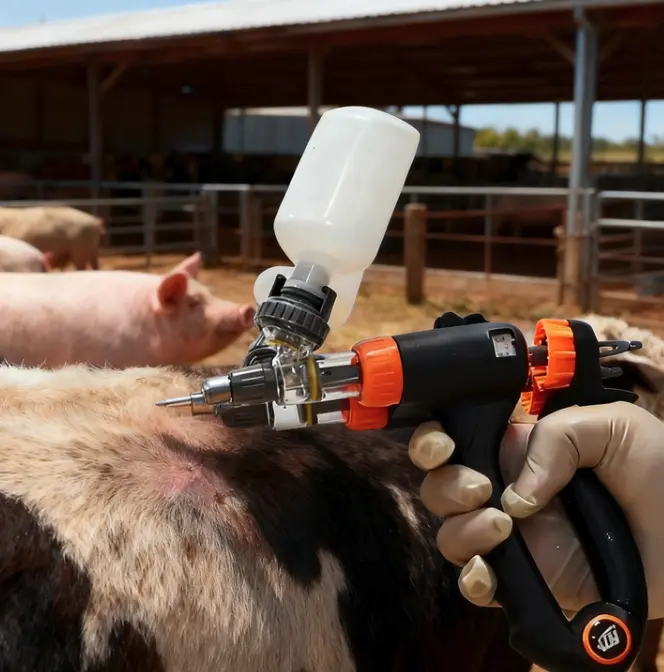
Using a Vaccine injector can help ensure precise dosing and reduce the risk of complications when administering SubQ injections.
Intramuscular (IM) Injections
Intramuscular (IM) injections deliver medication directly into the muscle tissue. This method allows for faster absorption due to the higher density of blood vessels in muscles. IM injections are often used for drugs requiring rapid action, such as anesthetics or emergency treatments.
IM injections, while effective, can cause more muscle damage compared to SubQ injections. This damage may lead to meat wastage and scarring, which affects meat quality. Since the 1980s, SubQ injections have been increasingly recommended to address these concerns.
Choosing Between SubQ and IM Injections
When deciding between SubQ and IM injections, consider the medication's purpose and potential impact on cattle health and meat quality. SubQ injections are less invasive and better for long-term treatments, while IM injections are suitable for medications requiring quick absorption.
Factors to consider include:
- The potential for muscle damage and its effect on meat quality.
- The rate of absorption needed for the medication.
- The medication's labeling and recommended administration method.
By understanding these differences, you can make informed decisions that benefit both your cattle and your operation.
Proper Injection Sites
Recommended Sites for Injections
Selecting the correct injection site is essential for cattle health and meat quality. The neck is the most recommended area for both SubQ and IM injections. This location minimizes the risk of damaging high-value cuts of meat, ensuring better outcomes for your operation.
- SubQ injections work well in the loose skin of the neck. Tenting the skin before injecting helps you avoid muscle tissue.
- IM injections should target the neck muscles, using a needle length of 1 to 1½ inches for proper depth.
Always keep injection sites several inches apart when administering multiple doses. This practice reduces the risk of tissue damage and ensures even medication distribution.
Avoiding Hindquarters and Other Risky Areas
You should avoid injecting into the hindquarters, such as the top butt or rump. These areas are prone to developing lesions, which can lead to meat wastage. Additionally, injections in these regions increase the risk of hitting major blood vessels or nerves, causing unnecessary complications. By sticking to the neck, you protect both your cattle and your product quality.
Rotating Injection Sites for Safety
Rotating injection sites is a critical step in maintaining cattle health. Repeated injections in the same spot can cause tissue scarring and abscess formation. Alternate between the left and right sides of the neck for each treatment. This approach allows the tissue to heal properly and reduces the likelihood of long-term damage.
Tip: Keep detailed records of injection sites for each animal. This practice helps you track treatments and ensures consistent site rotation.
Needle Size and Volume Guidelines
Selecting the Right Needle Gauge and Length
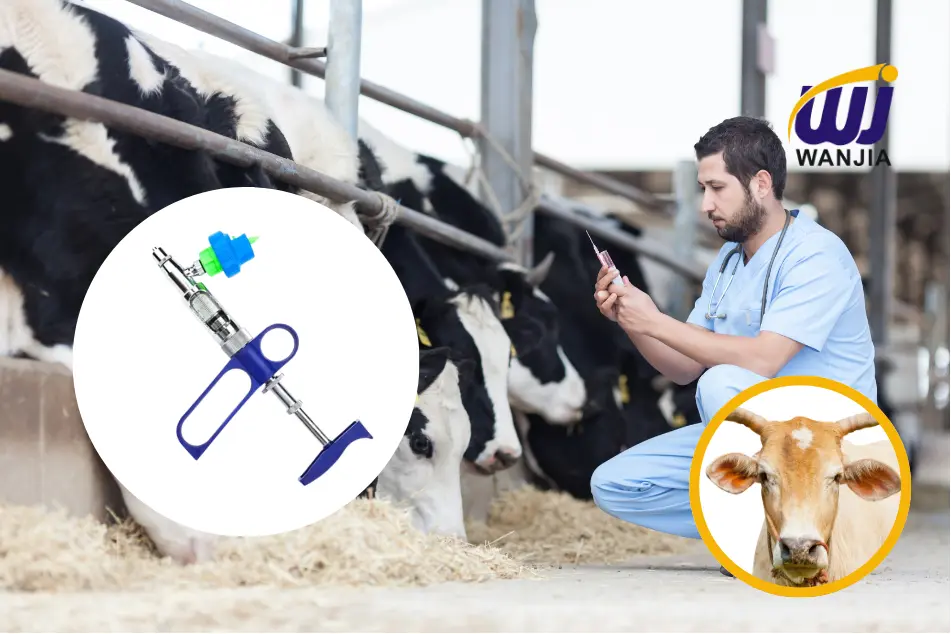
Choosing the correct needle gauge and length ensures effective medication delivery and minimizes discomfort for your cattle. The selection depends on factors like the animal's size, the injection route, and the medication's viscosity. Always use the smallest needle possible to reduce tissue damage and pain.
- For subcutaneous injections, use an 18- or 16-gauge needle with a length of 1/2 to 3/4 inches.
- For intramuscular injections, select an 18- or 16-gauge needle, 1 to 1 1/2 inches long, depending on the animal's weight.
- Calves may require a smaller 20-gauge needle for subcutaneous injections, while adult cattle often need a 16-gauge needle for thicker medications.
Tip: Follow Beef Quality Assurance guidelines to ensure proper injection placement and needle selection.
Maximum Volume Per Injection Site
Administering the correct volume per injection site prevents tissue damage and ensures proper absorption. For most cattle, limit the volume to 10 milliliters per site. If a larger dose is necessary, divide it into multiple injections spaced several inches apart. This practice reduces the risk of abscess formation and improves medication efficacy.
Adjusting for Cattle Size and Age
You must adjust needle size and injection techniques based on the animal's age and size. Calves require smaller needles, such as a 20-gauge, 3/4-inch needle for subcutaneous vaccinations. For adult cattle, use a 16-gauge, 3/4-inch needle for thick medications. Intramuscular injections for calves typically need a 1-inch needle, while adult cattle may require a 1 1/2-inch needle for deeper muscle penetration.
By tailoring your approach to the animal's needs, you can ensure safe and effective treatment for your herd.
Hygiene Practices for Injections
Cleaning the Injection Site
Maintaining a clean injection site is essential to prevent infections and ensure the effectiveness of the medication. You should always inspect the area before administering a shot. If the site is dirty, wash it thoroughly and dry it as much as possible. Avoid injecting in wet or manure-covered areas, as this increases the risk of introducing bacteria into the animal. The neck is the preferred location for injections, as it is easier to keep clean and dry. If cleaning the neck is not feasible, consider using a cleaner area, such as under the loose hide over the ribs.
Tip: Always aim to inject in clean and dry areas to minimize the risk of injection-site lesions and infections.
Changing Needles and Using a Vaccine Injector
Changing needles frequently is a critical step in preventing disease transmission within your herd. Studies have shown that reusing needles can lead to a high transmission rate of diseases like anaplasmosis. To protect your cattle, replace the needle after each animal. This practice reduces the spread of pathogens and ensures the safety of your herd. Using a vaccine injector can further enhance precision and reduce the risk of contamination during administration. Regularly inspect your vaccine injector for cleanliness and functionality to maintain optimal performance.
Safe Disposal of Used Needles
Proper disposal of used needles is vital for the safety of both humans and animals. Always discard needles in a designated sharps container. You can purchase these containers or repurpose thick plastic containers with secure lids. Consult your veterinarian or local medical facility for approved disposal methods. Avoid leaving used needles in open areas, as this poses a risk of injury and contamination. By following these practices, you can maintain a safe and hygienic environment on your farm.
Note: Never reuse or improperly dispose of needles, as this can lead to serious health and safety risks.
Record-Keeping and Veterinary Guidance
Tracking Injections and Medication Use
Accurate record-keeping is essential for managing cattle health and ensuring compliance with industry standards. You should document every injection and treatment administered to your herd. This practice helps track medication use, monitor withdrawal times, and identify patterns in herd health. A comprehensive record-keeping system should include the following details:
- Exact name of the product administered.
- Serial number of the product purchased.
- Dose administered.
- Method of treatment (e.g., oral, intramuscular, subcutaneous).
You can also organize this information in a table for clarity:
| Component | Description |
|---|---|
| Medication/Vaccination | Names of the medications or vaccinations administered. |
| Lot and Serial Number | The lot and serial number of the products used. |
| Treatment Dates | Dates when the treatments were administered. |
| Dosage Administered | Amount of medication or vaccine given to the cattle. |
| Routes of Administration | Method of administration (e.g., injection, oral, etc.). |
| Withdrawal Dates | Dates when the cattle can be safely slaughtered post-treatment. |
By maintaining detailed records, you can ensure proper treatment and avoid complications.
Consulting a Veterinarian for Herd Health
Veterinarians play a crucial role in herd health management. Their expertise ensures accurate diagnoses and effective treatments. Regular consultations with a veterinarian can provide several benefits:
| Benefit | Description |
|---|---|
| Specialized Knowledge | Veterinarians have the training to diagnose and treat illnesses effectively. |
| Proper Health Care Procedures | They can teach producers how to perform health care tasks correctly. |
| Cost-Effectiveness | Establishing a preventive care program with a veterinarian can save money. |
You should work closely with your veterinarian to develop a preventive care plan. This approach reduces the risk of disease outbreaks and improves overall herd productivity.
Following Medication Withdrawal Times
Adhering to medication withdrawal times is critical for food safety and regulatory compliance. You must follow the label directions for each medication, including the required withdrawal period. Failure to comply can lead to serious consequences:
- Violations of drug residue regulations may result in fines and harm the beef industry's reputation.
- Antibiotic residues in meat can cause allergic reactions and antibiotic resistance in humans.
- Unacceptable drug residues at harvest can lead to trace-back investigations and potential penalties.
Good management practices, such as proper housing and biosecurity measures, can help minimize the costs associated with withdrawal periods. Always consult your veterinarian to ensure compliance and maintain the integrity of your operation.
Tip: Use tools like a vaccine injector to administer medications accurately and reduce the risk of errors.
SubQ and IM injections remain the most effective methods for administering medications to cattle. Your choice should align with the medication's purpose and absorption needs. Proper injection techniques, including selecting the correct site and needle size, help reduce tissue damage and improve meat quality.
Maintaining hygiene and following Beef Quality Assurance (BQA) guidelines minimizes injection-site lesions and adverse reactions. You should also develop a consistent vaccination system, keep detailed records, and consult a veterinarian for tailored herd health strategies. These practices ensure long-term benefits, such as reduced drug residues, fewer abscesses, and improved cattle productivity.
Tip: Safely restrain animals during injections and use clean equipment to prevent complications.
FAQ
What is the best way to restrain cattle during injections?
You should use a squeeze chute or head gate to safely restrain cattle. Proper restraint minimizes stress and ensures accurate injection placement.
How often should needles be changed during injections?
Change needles after every 10-15 injections or sooner if they become dull or bent. This practice reduces the risk of infection and ensures effective medication delivery.
Can you reuse needles for multiple animals?
No, reusing needles increases the risk of disease transmission. Always use a new, sterile needle for each animal to maintain herd health and safety.
Tip: Keep extra needles on hand to avoid delays during treatment.