
Leave Your Message
Which Animal Farm is Most Profitable? A Data-Driven Guide for Livestock Investors
Key Takeaways
- Cattle breeding currently offers the highest profit margins in livestock farming, with ROI exceeding 20% for optimized operations.
- Poultry (broilers/layers) and goats are rising stars for small-scale farmers due to lower startup costs and faster turnover.
- Profitability hinges on factors like feed efficiency, market demand, and value-added products (e.g., organic beef, free-range eggs).
- Poor breed selection or disease management can erase profits, even in high-demand sectors.
Introduction: The Profitability Equation in Livestock Farming
For investors and farmers, choosing the most profitable animal farm requires balancing market trends, operational costs, and scalability. While cattle breeders often dominate large-scale revenue, niche markets like goat dairy or pasture-raised poultry are gaining traction. This guide analyzes USDA data, industry reports, and real-world case studies to rank livestock ventures by profitability and sustainability.
Top 4 Profitable Livestock Ventures Compared
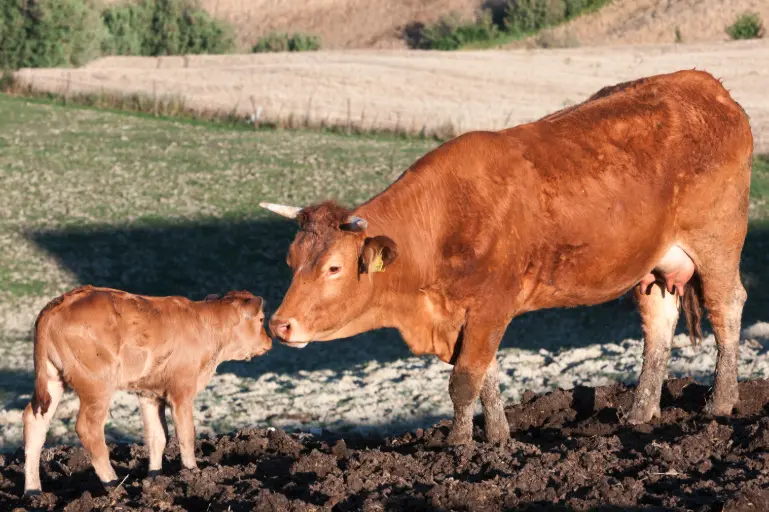
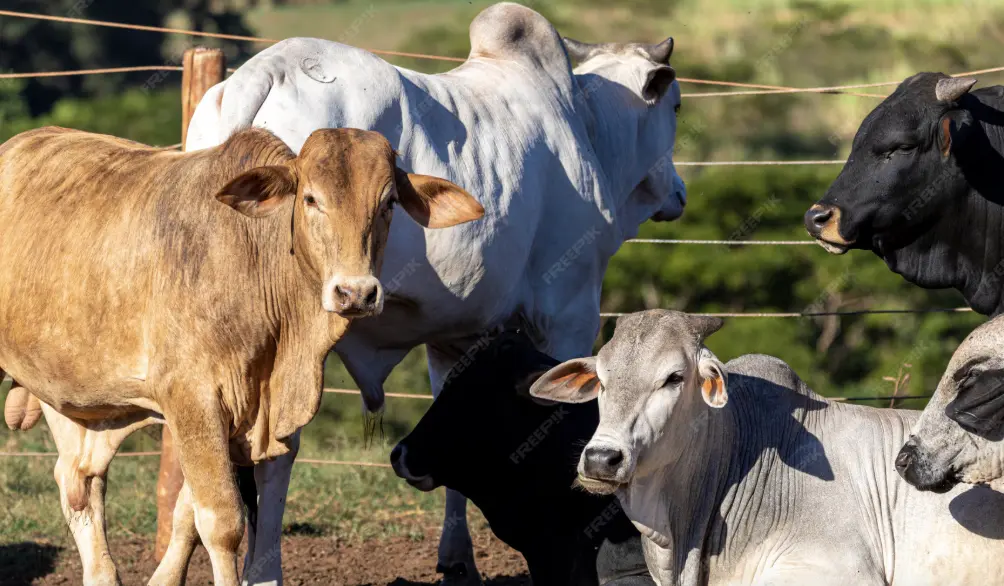
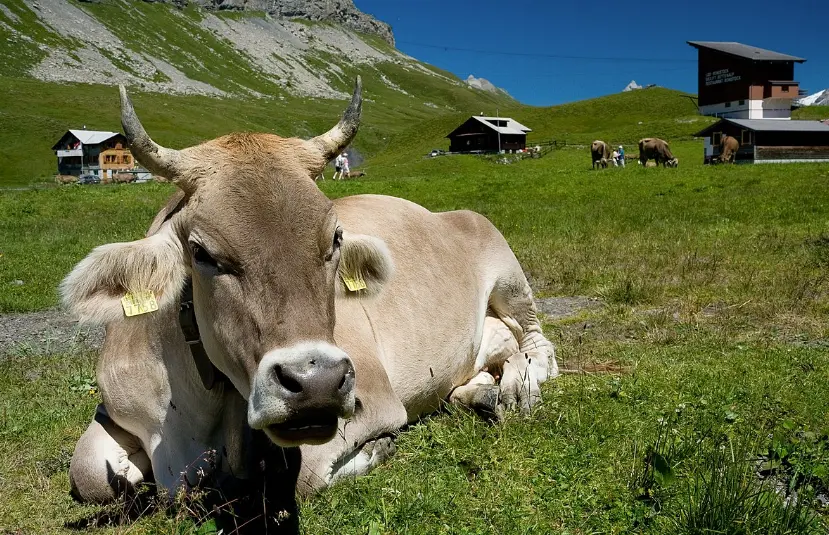
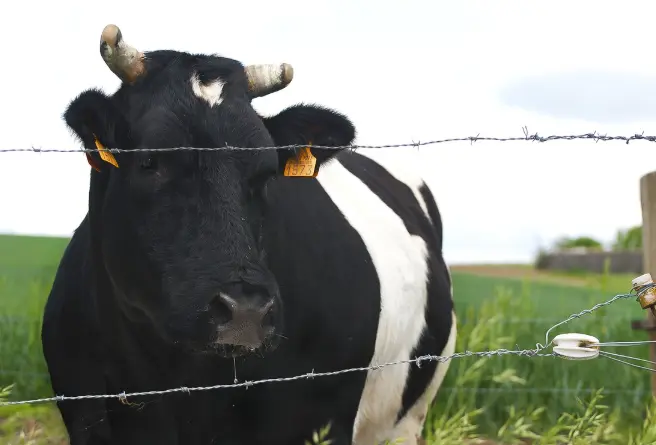
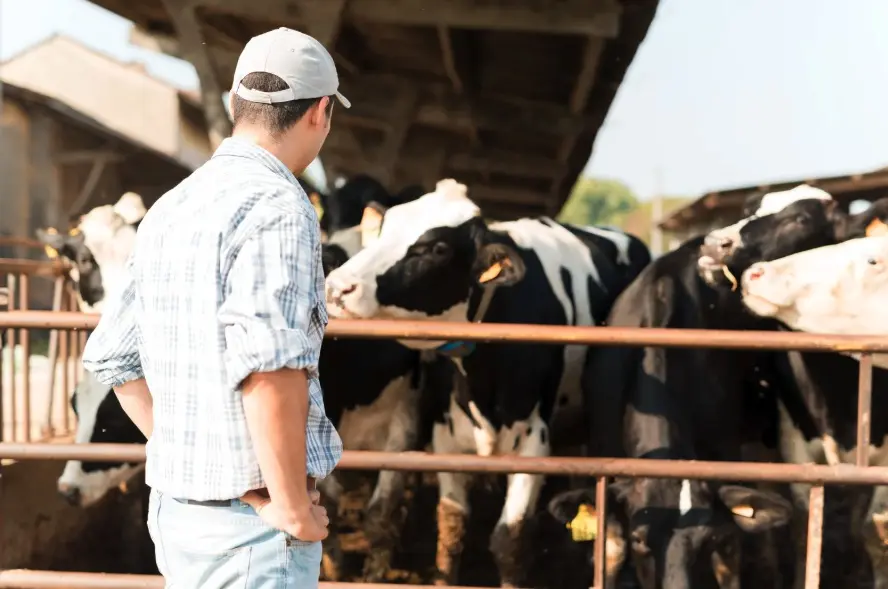
1. Cattle Breeding (Beef and Dairy)
- Profit Potential:
- Beef Cattle: Net margins of $200–$500 per head (USDA 2023), with premium prices for grass-fed/Organic ($6–$10/lb retail).
- Dairy Cattle: $1,500–$3,000 annual profit per cow, contingent on milk yield (22,000 lbs/year average).
- Startup Costs: High ($120,000+ for 50 cows, including land and equipment).
- Key Markets: Direct-to-consumer beef sales, heifer sales to other cattle breeders.
- Challenges: Feed costs (60% of expenses), disease outbreaks (e.g., bovine TB).
2. Poultry Farming (Broilers and Layers)
- Profit Potential:
- Broilers: 8–12-week cycles yield $1–$3 profit per bird. Large operations (>10,000 birds) achieve 15–25% ROI.
- Layers: $15–$20 annual profit per hen via egg sales. Free-range/organic eggs sell for 2–3x conventional prices.
- Startup Costs: Moderate ($20,000–$50,000 for 1,000 birds).
- Key Markets: Local restaurants, farmers’ markets, and egg subscriptions.
- Challenges: Avian flu risks, volatile feed prices.
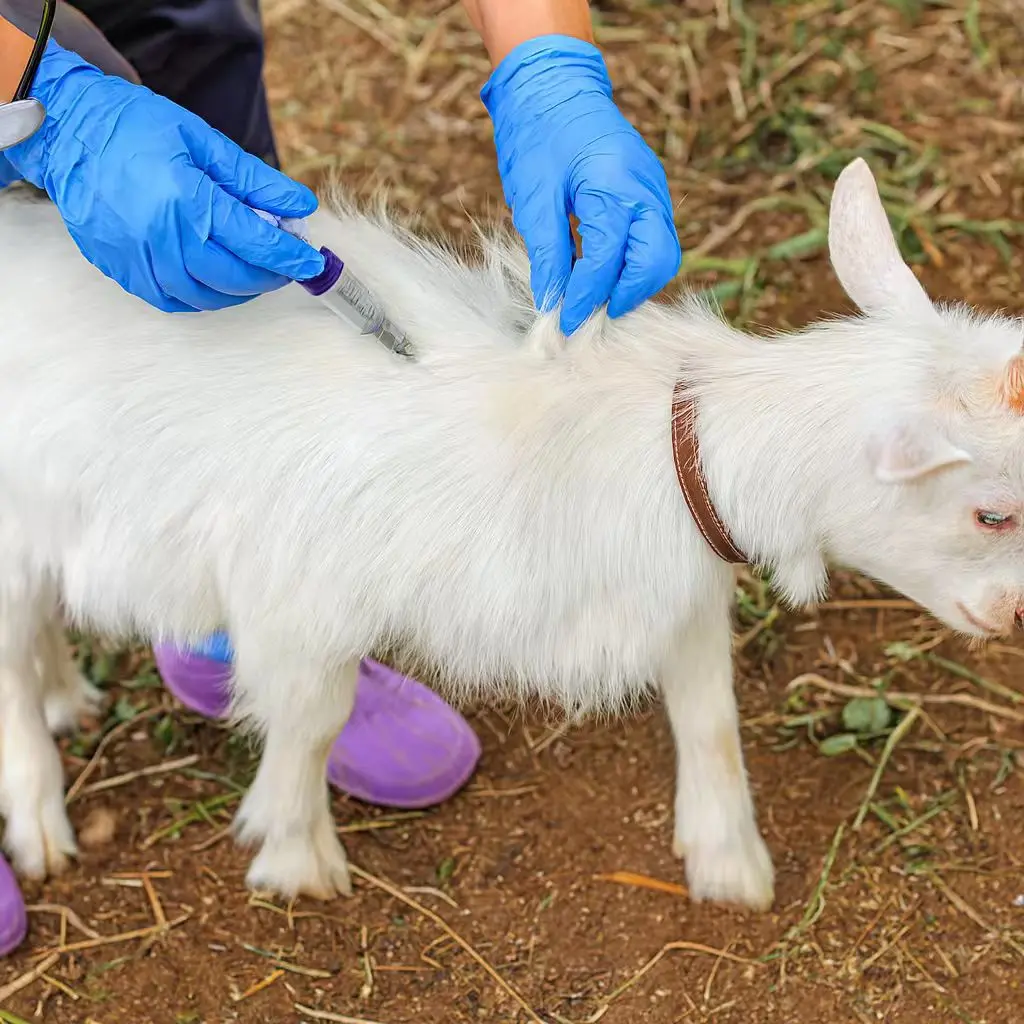
3. Goat Farming (Meat and Dairy)
- Profit Potential:
- Meat Goats: $150–$300 profit per goat (Boer/Kiko breeds). Demand outstrips supply in the U.S. by 70% (American Meat Goat Association).
- Dairy Goats: $1,200–$2,000 annual profit per doe via cheese/milk sales ($8–$15 per gallon).
- Startup Costs: Low ($10,000–$30,000 for 50 goats).
- Key Markets: Ethnic communities (Halal/Caribbean), artisan cheesemakers.
- Challenges: Predator control, limited processing facilities.
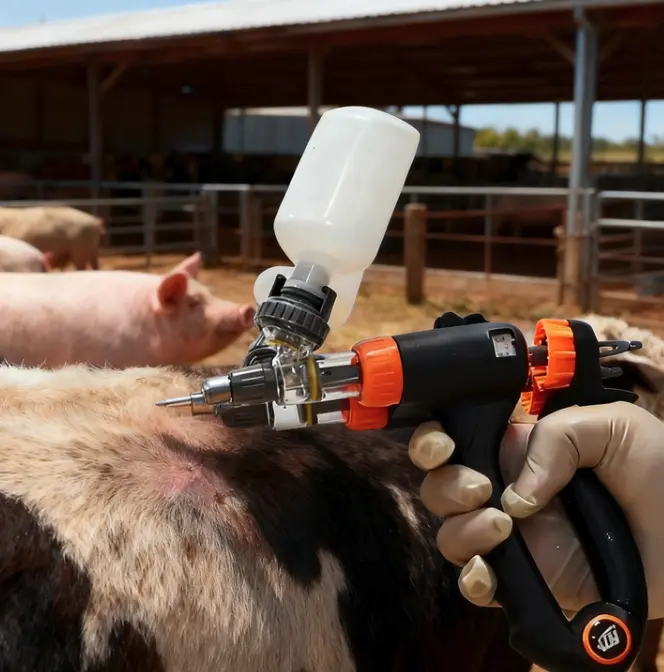
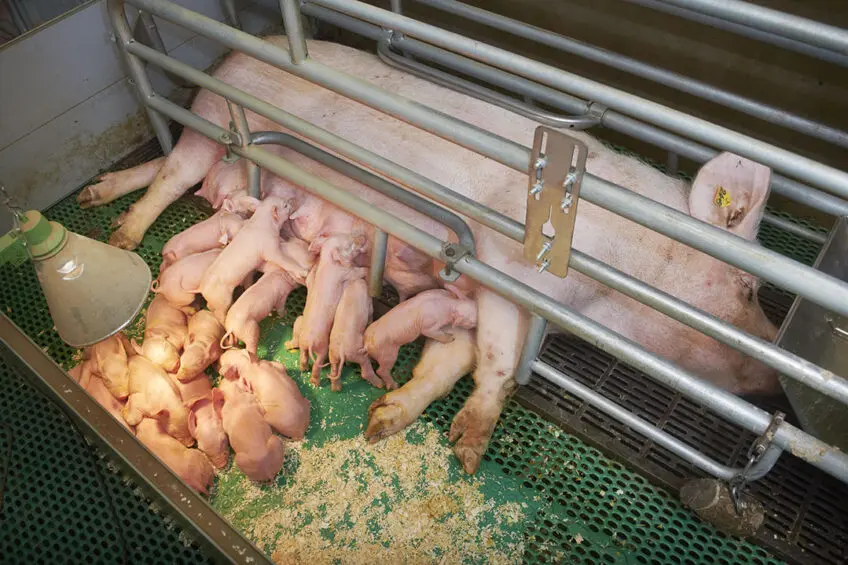
4. Swine Production
- Profit Potential: $100–$200 per hog (heritage breeds like Berkshire command $4–$8/lb).
- Startup Costs: Moderate ($50,000 for 100 hogs).
- Key Markets: Niche pork products (organic, antibiotic-free).
- Challenges: PRRS (Porcine Reproductive & Respiratory Syndrome) outbreaks, zoning restrictions.
Profitability Comparison Table
| Livestock Type | Avg. Annual Profit | Startup Cost (50 Units) | ROI Timeline | Risk Level |
|---|---|---|---|---|
| Beef Cattle | $25,000+ | $120,000+ | 3–5 years | High |
| Dairy Goats | $60,000+ | $30,000 | 2–3 years | Medium |
| Broiler Chickens | $30,000+ | $25,000 | 1–2 years | Low |
| Swine | $15,000+ | $50,000 | 2–4 years | High |
3 Strategies to Maximize Livestock Farm Profitability
-
Target Value-Added Markets:
- Sell grass-fed beef directly via CSA (Community Supported Agriculture) models (30% higher margins).
- Convert goat milk into artisan cheese ($20–$40/lb vs. $3/lb for raw milk).
-
Leverage Technology:
- Use automated feeders (reduce feed waste by 20%) and RFID tags for health monitoring.
- Implement rotational grazing to cut cattle feed costs by 40%.
-
Mitigate Risks:
- Diversify income (e.g., agritourism, breeding stock sales).
- Insure against disease outbreaks (e.g., USDA’s Livestock Risk Protection).
FAQ: Most Profitable Animal Farming
Q1: What’s the fastest-paying livestock venture?
A: Broiler chickens (8–12 weeks per cycle) or goats (6–8 months to market).
Q2: Can small-scale cattle breeding be profitable?
A: Yes—focus on niche markets like organic beef or specialty breeds (e.g., Wagyu).
Q3: How much land do I need for 50 cattle?
A: 50–100 acres for rotational grazing (varies by region and forage quality).
Q4: Is vertical integration viable in poultry farming?
A: Yes. Large integrators like Tyson control feed mills and processing, but small farms can partner with local processors.
Q5: Which livestock has the lowest disease risk?
A: Goats (hardy and resistant to many bovine/swine diseases) or free-range poultry with biosecure housing.
While cattle breeding remains the gold standard for high-reward livestock investing, profitability ultimately depends on your resources, market access, and risk tolerance. By aligning your operation with consumer trends (e.g., organic, ethically raised meat) and adopting cost-saving technologies, you can transform your animal farm into a thriving agribusiness.