

WJ406 INSURED EAR TAG WITH LASER PRINTING
WJ406 |
INSURED EAR TAG WITH LASER PRINTING |
|||||||
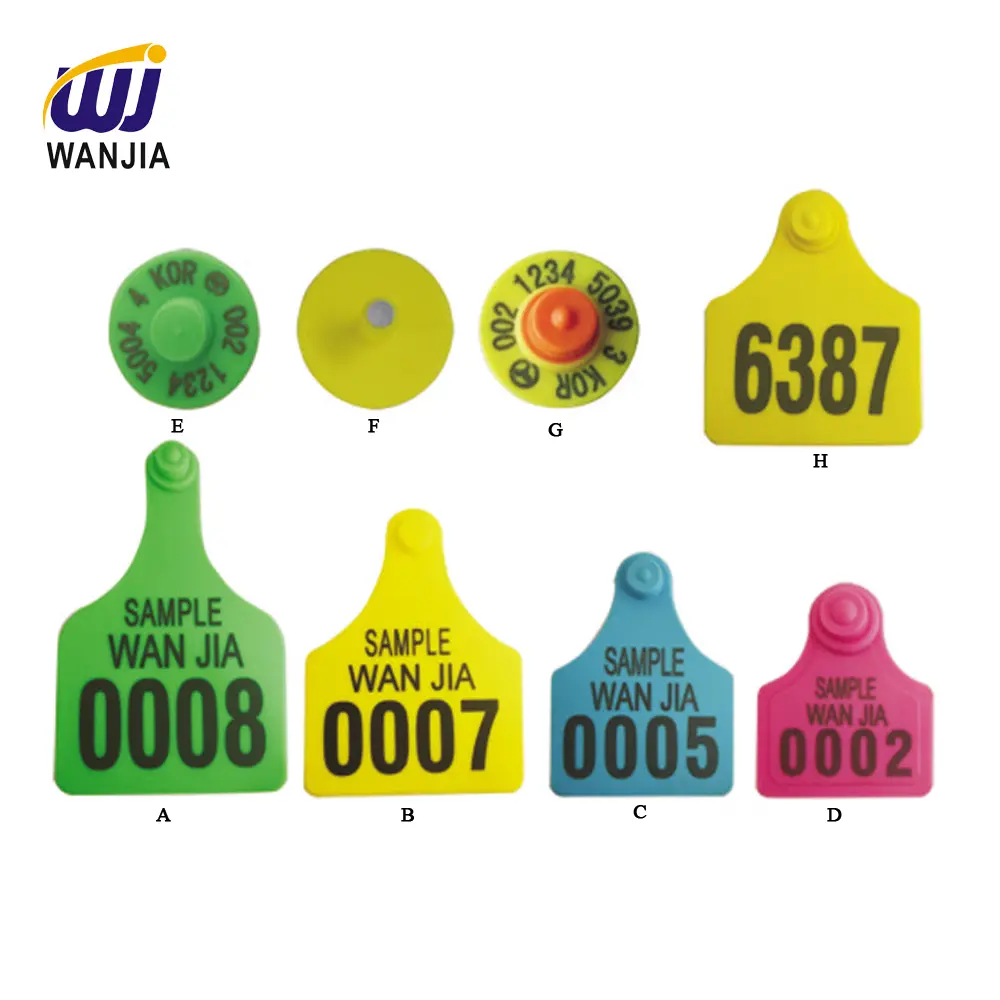
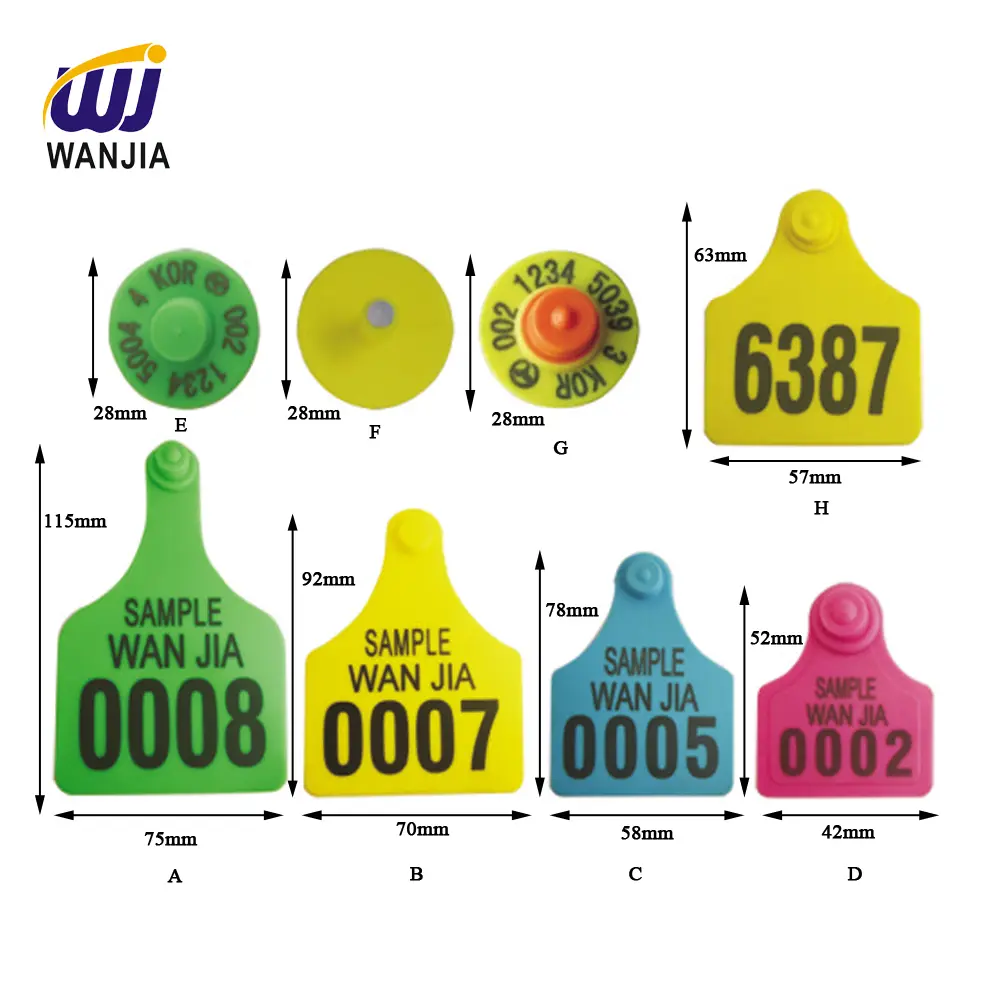
SPEC. |
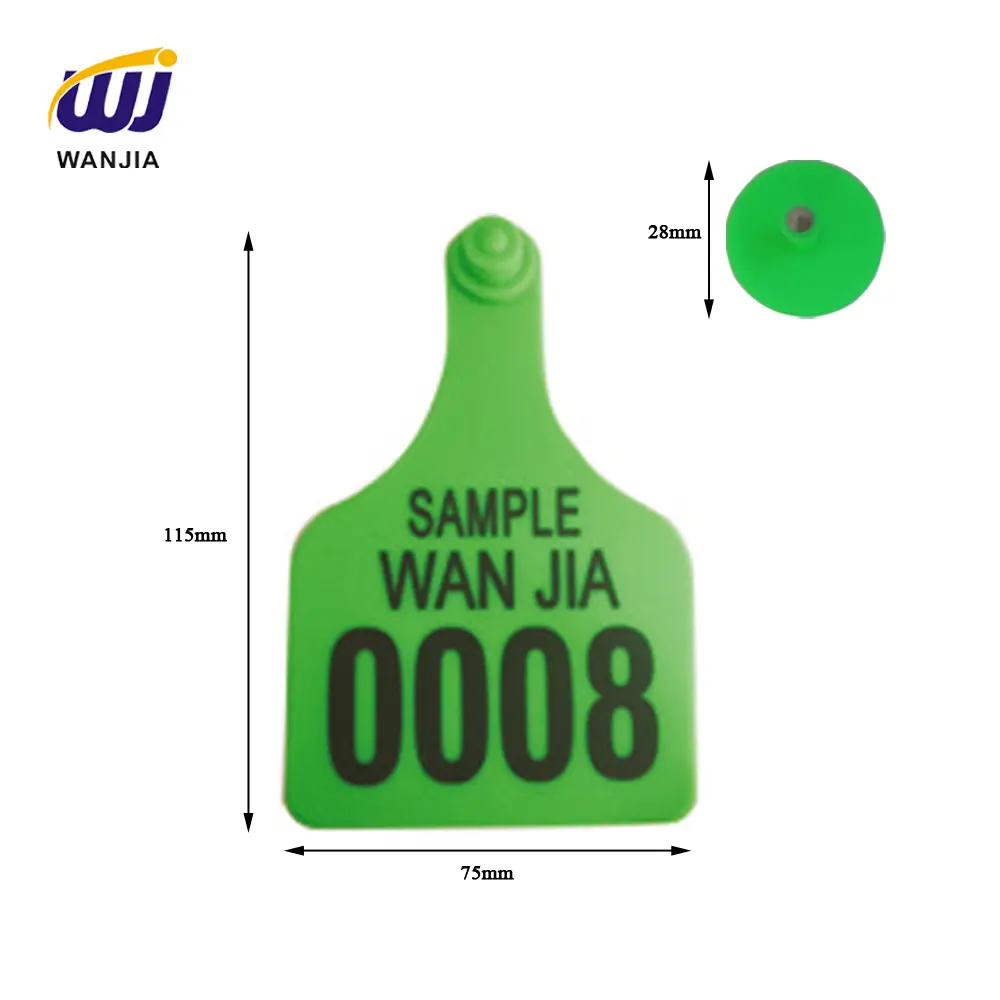
A |
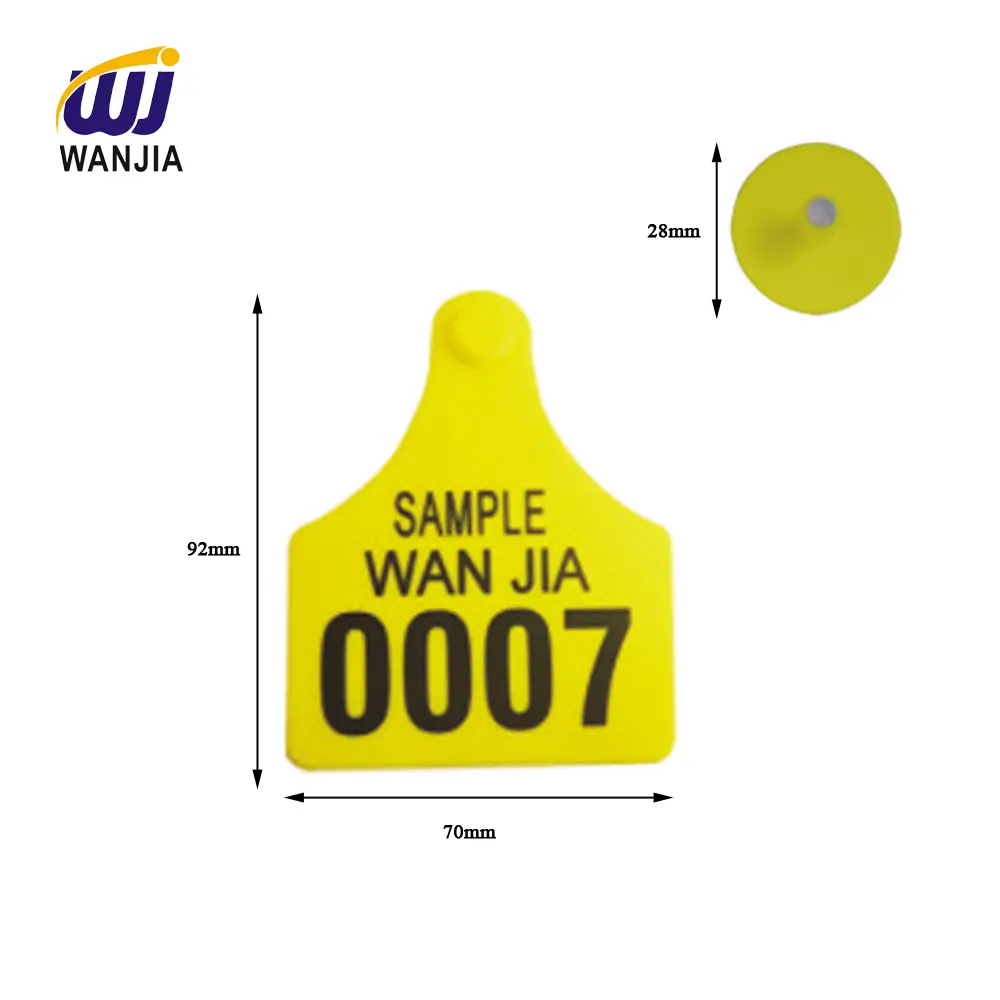
B |
C |
D |
E |
F |
G |
H |
115*75mm |
92*70mm |
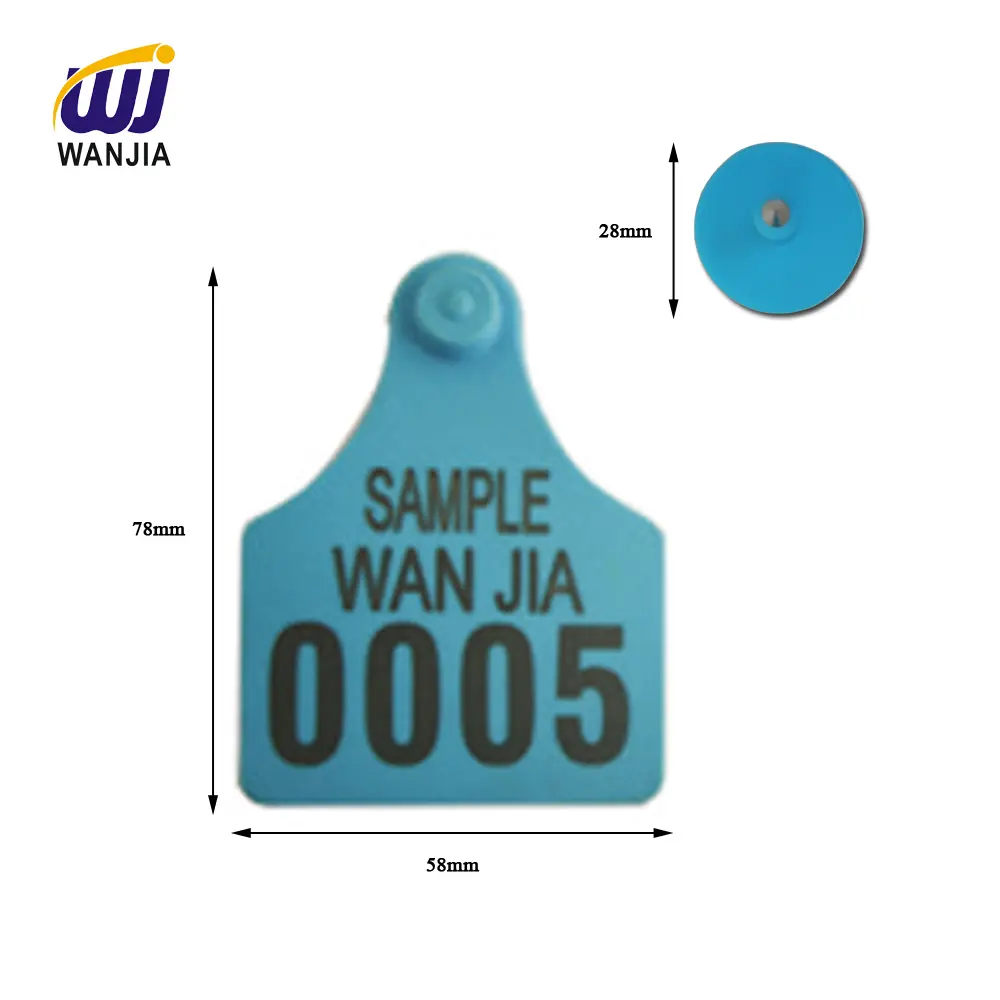
78*58mm |
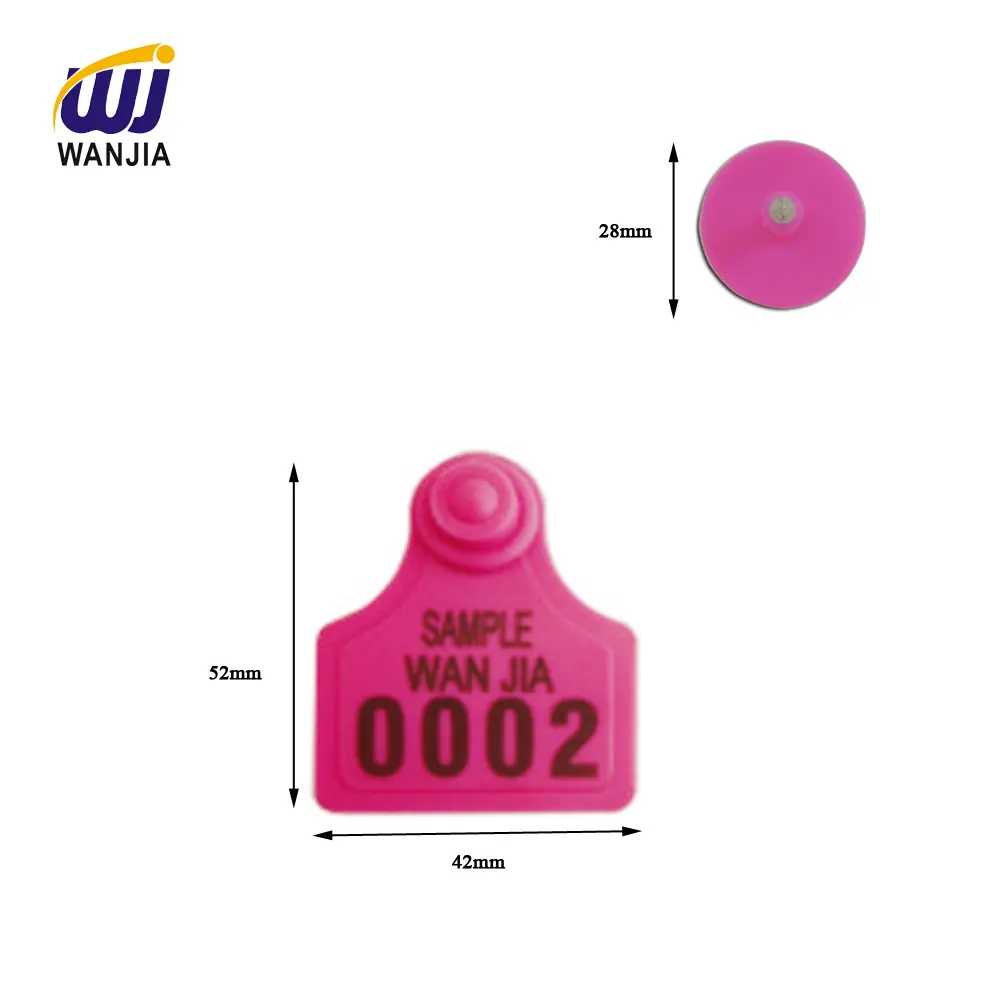
52*42mm |
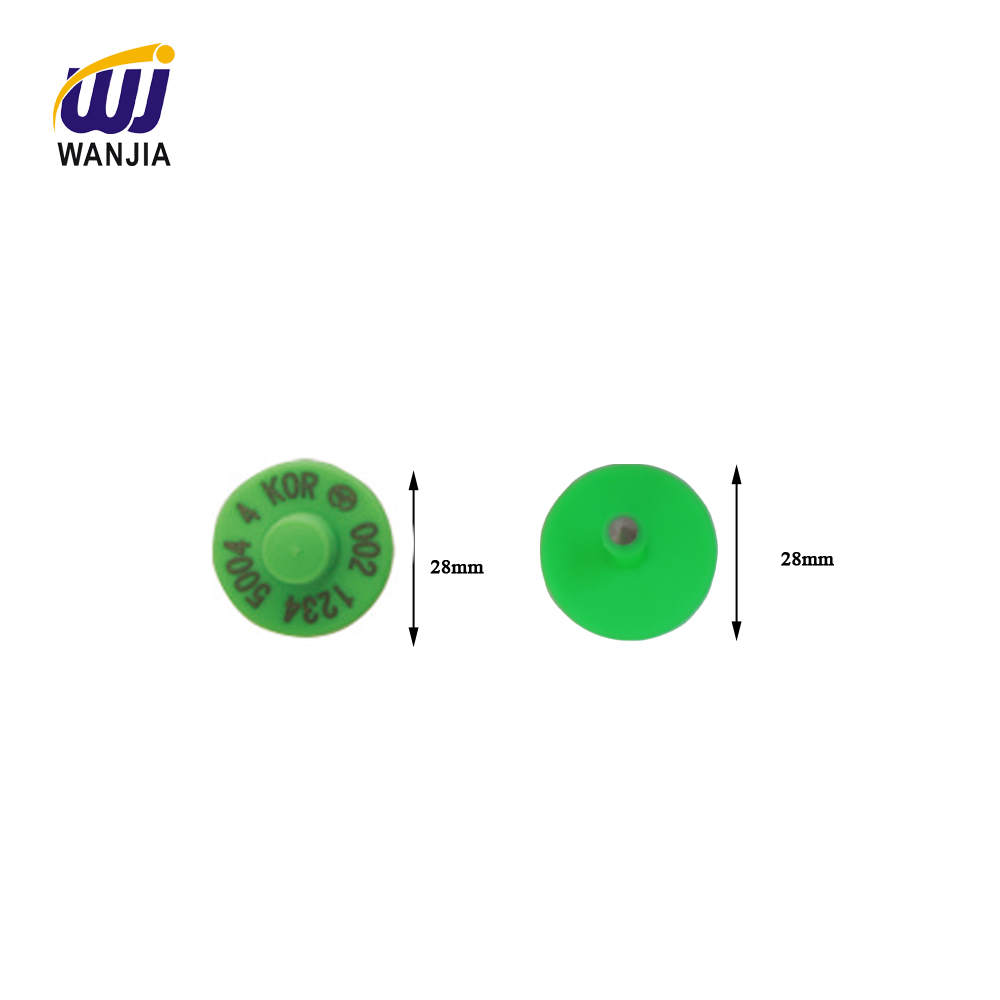
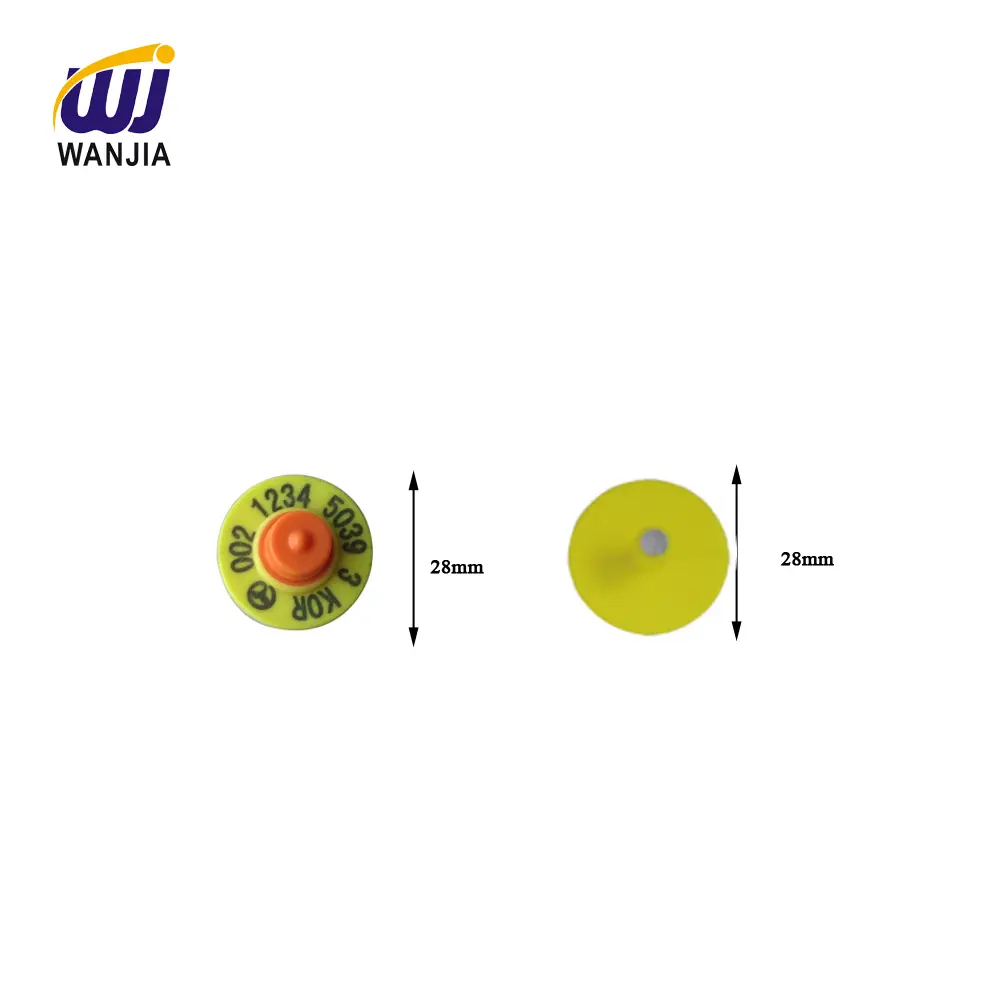
28mm |
28mm |
28mm |
63*57mm |
|
MATERIAL |
Premium TPU |
|||||||
PRODUCT DETAILS
COMPETITIVE ADVANTAGES

Prevent Wear and Tear
High-quality protective covers can prevent ear tags from being damaged by friction, collisions, or prolonged use.

Improve Visibility
Some protective covers are designed to be more conspicuous, increasing the visibility of the ear tag, especially in a ranch or animal herd, making identification easier.

Increase Durability
By using sturdier materials, protective ear tags can significantly enhance the ear tag's resistance to environmental factors, such as UV rays, rain, and mechanical damage.

Better Comfort
Reduce the discomfort caused by the ear tag to the animal, preventing scratches or irritation.

High-quality TPU
High-quality TPU, offering good impact resistance and durability.

Elastic materials
Elastic materials that reduce friction and minimize harm to the animal's ear.
Leave Your Message
DETAIL CHART
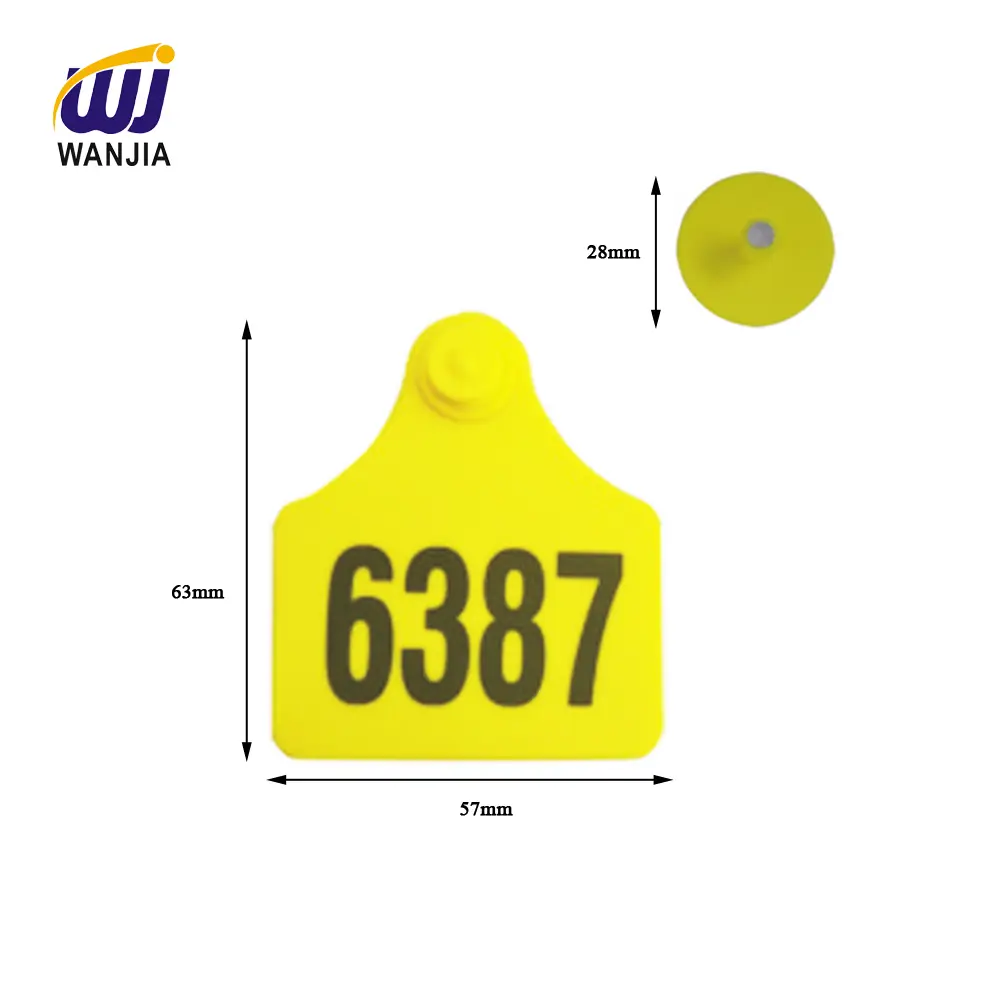
Meaning of eartag
1, conducive to animal disease control
The ear tag can manage the ear number of each animal with its variety, source, production performance, immune status, health status, animal owner and other information. Once the epidemic situation and the quality of animal products occur, it can trace (trace) its source, distinguish responsibilities, plug loopholes, so as to realize the scientific and institutionalization of animal husbandry and improve the level of animal husbandry management.
2, conducive to safe production
Ear tags are an excellent tool for the clear identification and detailed management of a large number of livestock. Through ear tags, breeding enterprises can find hidden dangers in time and quickly take corresponding control measures to ensure safe production.
3, improve the management level of farms
In livestock and poultry management, the identification of individual animals (pigs) is realized in the form of ear tags that are easy to manage. Each animal (pig) is assigned an ear tag with a unique code to achieve the unique identification of an individual. The ear tags applied in pig farms mainly record the farm number, pig house number, pig individual number and other data. After each pig in the pig farm is marked with an ear tag to achieve the unique identification of the individual pig, daily information management such as material management, immunization management, disease management, death management, weighing management, medication management, and listing records of the individual pig is realized by means of hand-held reading and writing.
4, to facilitate the national safety supervision of livestock products
A pig's ear tag code is carried for life. Through this tag code, it can be traced back to the pig's production field, acquisition field, slaughterhouse, the supermarket where pork sales flow, and if it is sold to cooked food processing vendors, there will be records at last. Such a marking function is conducive to combating a series of participants selling sick and dead pork and regulating the safety of domestic livestock products. To ensure that people eat healthy pork.