Choosing the best Cattle Injector is not simply a price comparison. It is a decision about animal welfare, treatment accuracy, operator safety, and farm efficiency. A poor injector may leak, deliver inconsistent doses, or cause unnecessary tissue damage. Those problems often appear beside the chute, with a restless animal and a hurried handler.
The USDA APHIS National Animal Health Monitoring System reports show that cattle operations use varied vaccination and treatment practices. The reports also highlight the importance of correct storage, dosage, restraint, and administration technique. These details matter. A durable syringe cannot correct a wrong dose or poorly selected injection site. FAO livestock health guidance also connects responsible animal care with disease prevention, productivity, and food security. The equipment is only one part of that system.
Temple Grandin, a leading livestock-handling expert, said, “The key to handling cattle is to understand what they see.” Her point applies directly to Cattle Injector selection. A lightweight tool may reduce fatigue during a long vaccination session. A clear barrel helps confirm the dose before injection. A secure grip matters when gloves are wet or muddy. Needle compatibility matters too.
Still, no product is perfect. Some premium injectors feel bulky. Some low-cost models look practical but wear quickly. Buyers should compare dose range, calibration, cleaning, spare parts, warranty support, and field handling. Test the injector with trained staff before purchasing many units. A specification sheet cannot show everything. Real cattle, real weather, and real pressure will expose weaknesses.
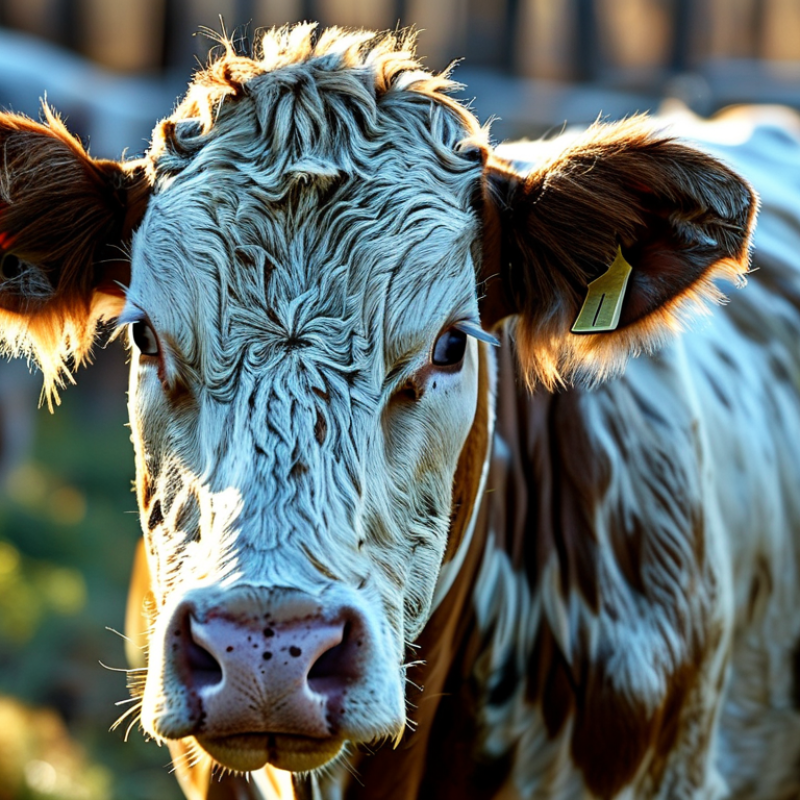
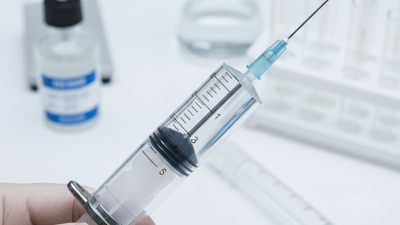
A cattle injector is a tool used to deliver measured veterinary medicine beneath the skin or into muscle. It usually includes a barrel, plunger, needle, and adjustable dose setting. Some models hold one dose, while automatic injectors deliver repeated doses after each trigger pull.
The working process is simple but requires careful handling. The operator fills the barrel with approved medicine, removes visible air, and checks the dose. When the trigger moves, the plunger pushes liquid through the needle. The animal should be calmly restrained before injection. Sudden movement can bend the needle, waste medicine, or injure both cattle and handlers. Small details matter.
Clean equipment matters greatly. A dirty injector can carry contamination between animals. Use a new or properly sterilized needle when required by the medicine label and veterinary guidance. Check the dose setting before every group. Overlooking it is an easy mistake. It can also have serious consequences.
The correct injection site depends on the medicine and professional instructions. Many treatments are given under the skin, while others require a different route. Never guess. Read the product directions and consult a qualified veterinarian when the instructions seem unclear. I would not treat speed as proof of skill. A slower, controlled injection is often safer, especially with young or restless cattle. The injector should be inspected after use, cleaned according to its design, and stored dry. A cracked barrel or loose connection deserves attention before the next treatment.
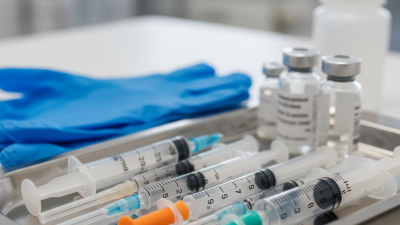
Choosing the best cattle injector starts with comparing its type and working features. A single-dose syringe suits small herds and careful, individual treatment. A multi-dose injector saves time when many animals need the same measured dose. Automatic models can reduce hand fatigue, but they require more careful calibration and cleaning.
Look closely at capacity, dose range, and adjustment accuracy. A clear barrel helps you check the liquid and spot air bubbles. Smooth handles matter when gloves are wet or cold. The needle connection should be secure and easy to replace. Choose materials that resist farm chemicals and repeated washing. In practical use, a comfortable injector often performs better than a complicated one. I have found that “high capacity” can become a weakness when the tool feels heavy after several animals. That detail is easy to overlook.
Tips: Check calibration before each treatment session. Compare the actual dose with the marked setting. Clean the injector according to veterinary guidance, and keep needles sharp and suitable for the animal and product. Look for parts that are easy to inspect, because hidden residue can affect reliability. Store the device somewhere dry and protected from dust. Ask a veterinarian about the correct injection method and product handling requirements. A model may look durable, yet its seals can wear sooner than expected. Keep replacement parts available, and record any dosing problems for future evaluation.
The best cattle injector is not always the most expensive model. It must fit your herd size, treatment volume, and working routine. A small cow-calf operation may prefer a durable, adjustable syringe for occasional treatments. A large dairy herd may need a multi-dose injector that reduces hand fatigue during repeated work.
Match the injector to the product label. Check the required dose, injection route, viscosity, and temperature range before purchase. Some products require subcutaneous use, while others require intramuscular administration. Beef Quality Assurance guidance supports using the correct injection site and needle size. Poor technique can create tissue damage, leakage, or inaccurate dosing. It happens more often than many teams admit.
The U.S. FDA reported that domestic sales of medically important antimicrobials for food-producing animals declined 36% from 2015 to 2023. This trend increases the importance of precise, responsible treatment. An injector that delivers inconsistent doses can undermine both animal welfare and treatment decisions. Calibration matters. So does cleaning.
Tips: Test the injector with clean water before use. Compare the delivered volume with the marked setting. Keep separate, clearly labeled equipment for different treatment tasks. Replace worn seals quickly. A stiff plunger is a warning, not a minor inconvenience. Record the injector type, dose setting, and treatment date in the herd log. Even experienced workers can rush, especially during cold mornings or crowded handling. Review the process regularly, because the “right” injector may change as the herd changes.
Choosing a cattle injector in 2026 means examining safety before convenience. The Beef Quality Assurance National Manual recommends placing injections in the neck and limiting each site to 10 mL. This practice reduces tissue damage and protects carcass value. A reliable injector should offer a clear dosage scale, smooth plunger movement, and a secure needle connection. It should not leak.
Accuracy deserves hands-on testing. A 5 mL setting that delivers 4.2 mL can weaken vaccination results, while an over-dosage may create avoidable residue concerns. The World Health Organization estimates that 600 million people become ill from contaminated food each year, so clean handling remains essential throughout livestock production. Choose a model with replaceable seals, autoclavable or easily disinfected components, and minimal dead space. Small details matter.
Durability is less visible but equally important. USDA livestock-handling guidance stresses equipment maintenance, and a cracked barrel or stiff trigger can cause rushed injections. Look for impact-resistant materials, corrosion-resistant springs, and a comfortable grip for cold mornings. In field trials, simple designs often survive better than complicated ones. That is not always true. Battery-powered features may improve consistency, but they also introduce charging failures and extra cleaning points. Inspect calibration regularly, record any drift, and replace worn parts before accuracy becomes a welfare problem.
| Selection Factor | Priority | What to Check | Practical Benchmark or Requirement | Why It Matters in Cattle Handling |
|---|---|---|---|---|
| Dose Accuracy | Accuracy | Repeatability of the dose setting, plunger movement, and calibration instructions. | Choose a model with a clearly marked, lockable dose adjustment and a manufacturer-stated accuracy tolerance. Verify calibration with a graduated cylinder or scale during routine checks. | Accurate dosing helps prevent underdosing, treatment failure, and accidental overdosing. The approved product label remains the controlling source for dose volume. |
| Dose Range | Accuracy | Minimum and maximum delivery volume and whether the injector can be adjusted in small increments. | Use a dose range that covers the actual products used on the farm. Select the smallest practical increment for the treatment protocol rather than relying on a broad, coarse adjustment. | Different veterinary products require different volumes. A suitable range reduces the need for improvised measuring or switching equipment. |
| Needle Safety | Safety | Needle guard options, secure needle attachment, needle visibility, and resistance to accidental contact. | Prefer designs that keep the operator's hand behind the needle, allow secure needle fitting, and support the use of the correct needle length and gauge for the approved route. | Needlestick injuries are a significant risk during cattle restraint. A guarded, stable injector can improve operator control and reduce accidental injection. |
| Route Compatibility | Safety | Whether the injector is approved or suitable for subcutaneous, intramuscular, or other labeled administration routes. | Confirm compatibility with the product label and the farm's standard operating procedures. Do not use an injector for a route that the equipment or product instructions do not support. | Correct route selection affects product absorption, animal welfare, tissue damage, and treatment effectiveness. |
| Animal Welfare | Safety | Needle sharpness, smooth plunger action, injection force, and the ability to maintain correct placement. | Use new, sterile, sharp needles as required by the treatment protocol; replace bent, contaminated, or damaged needles immediately. | Smoother injection and proper needle condition can reduce tissue trauma, leakage, pain, and the risk of transmitting contamination between animals. |
| Material Compatibility | Durability | Compatibility of seals, tubing, barrels, and internal components with vaccines, antibiotics, oils, and disinfectants. | Check the equipment instructions for chemical compatibility. Select replaceable seals and fluid-contact parts when repeated exposure to veterinary solutions is expected. | Incompatible fluids can swell seals, cloud plastic, cause leakage, or alter dose delivery. |
| Cleaning and Disinfection | Safety | Whether the injector can be disassembled, rinsed, disinfected, dried, and reassembled without trapping residue. | Choose smooth, accessible surfaces and a documented cleaning procedure. Follow the disinfectant instructions and avoid methods that damage seals or calibrated parts. | Residue and contamination can compromise product integrity, animal health, dose accuracy, and equipment life. |
| Leak Resistance | Accuracy | Seal quality, barrel-to-plunger fit, tubing connections, and resistance to leakage during repeated use. | Before each use, check for dripping, air entry, loose fittings, cracked tubing, or inconsistent plunger return. Replace worn seals promptly. | Leaks can cause incomplete doses, contamination, slippery handling conditions, and inaccurate treatment records. |
| Ergonomics | Safety | Grip shape, trigger force, balance, visibility of dose settings, and ease of operation while wearing gloves. | Select a tool that can be operated with controlled hand pressure and without excessive wrist deviation. The dose setting should remain visible during use. | Good ergonomics reduce hand fatigue and help maintain stable needle placement during repetitive cattle work. |
| Construction Strength | Durability | Resistance of the body, barrel, trigger, and fittings to drops, vibration, moisture, and routine farm handling. | Prefer robust, corrosion-resistant construction and protected adjustment components. Inspect for cracks, deformation, and loose parts after impact. | Farm equipment is exposed to rough handling, dirt, water, temperature changes, and transport. Strong construction supports consistent performance. |
| Temperature and Storage | Durability | Recommended operating and storage conditions, resistance to freezing, heat, sunlight, and moisture. | Store the injector clean and dry, protected from direct sunlight and temperatures outside the equipment instructions. Store veterinary products according to their own labels. | Extreme temperatures and ultraviolet exposure can degrade plastics, seals, lubricants, and fluid performance. |
| Maintenance Support | Durability | Availability of replacement seals, tubing, barrels, needles, lubricants, and service instructions. | Choose a design with replaceable wear parts and a documented maintenance schedule. Keep critical spare parts available before peak vaccination periods. | Regular maintenance preserves dose accuracy and prevents downtime when large groups of cattle must be treated. |
| Dose Verification | Accuracy | Ability to confirm the delivered volume through visual markings, repeatability checks, or a documented calibration method. | Establish a farm verification interval and recheck the injector after cleaning, repair, a drop, or a change in product viscosity. | Verification detects worn seals, air bubbles, blocked needles, and adjustment drift before they affect a treatment group. |
| Records and Traceability | Safety | Whether the equipment can be identified and linked to cleaning, inspection, calibration, and treatment records. | Assign an equipment identification number and record inspection dates, repairs, calibration checks, and any needle-related incidents. | Documented checks support responsible medicine use, staff training, quality assurance, and investigation of treatment problems. |
Selecting the best cattle injector starts with the treatment, herd size, and working conditions. Choose a syringe that matches the prescribed dose range. A clear barrel makes measurement easier and reduces guessing. For repeated vaccinations, an adjustable or automatic injector can save time. However, convenience does not replace accuracy. Check the needle size, connection, seals, and trigger before use. The injector should feel balanced in your hand, even when wearing gloves.
Follow the veterinarian’s instructions and the product label for dosage, injection site, and needle replacement. Keep cattle calm and secure them with proper handling equipment. Insert the needle cleanly, deliver the full dose, and watch for leakage. Small errors matter. I would not assume a familiar injector is still accurate. Test its dose before each session, especially after storage or heavy use. Record the date, treatment, dose, and animal identification for reliable herd management.
Tips: Keep a spare needle and clean syringe nearby. Wipe dirt from the animal’s skin before injection. Never share a contaminated needle between animals. After use, rinse removable parts with clean water, wash them with suitable detergent, and disinfect them according to the manufacturer’s instructions. Let parts dry completely before reassembly. Avoid soaking the mechanism unless permitted. Inspect worn seals, cracked barrels, and loose fittings regularly. Replace damaged parts promptly, and dispose of used needles through an approved sharps system. My own weak point is rushing cleanup after a long day; that is when small defects are easiest to miss.