2026 How to Use Animal Identification Technology for Better Livestock Management?
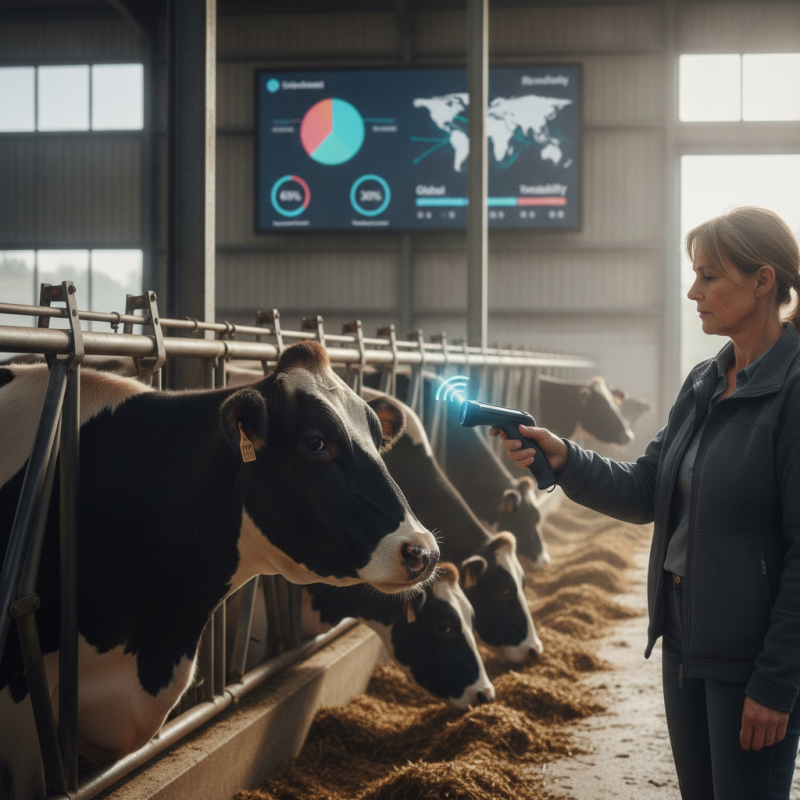
Animal Identification technology is transforming livestock management. In a 2022 report from the Food and Agriculture Organization, 65% of farmers who adopted this technology reported improved herd health. This innovation enhances tracing and tracking, ensuring livestock safety and traceability.
With the global livestock market projected to reach $1.5 trillion by 2026, effective management strategies are crucial. Animal Identification plays a key role in preventing disease outbreaks. A study found that farms using identification systems reduced losses by 30%.
However, some farmers face challenges with implementation costs and training. Not all technologies fit every operation. Without proper understanding, the benefits may not be fully realized. Reflection on these aspects is vital for successful adoption.
Understanding Animal Identification Technology in Livestock Management
Animal identification technology is reshaping livestock management. It involves methods like RFID tags, ear tattoos, and biometric systems. These tools allow farmers to track animals efficiently. By using this technology, producers can monitor health records, breeding cycles, and feeding habits in real-time.
Implementing identification systems can streamline operations. However, farmers often face challenges in adapting to these tools. Some equipment may require technical skills that not all workers possess. Additionally, the initial cost can be a barrier for smaller operations. Despite these hurdles, the potential benefits are significant. Enhanced animal welfare and improved productivity can result from effective monitoring systems.
Data-driven decisions become possible through accurate identification. Farmers can analyze trends over time, leading to better management strategies. While technology can improve efficiency, reliance on it can raise concerns. What happens when data is lost or systems fail? A balanced approach, combining tech with traditional practices, seems most prudent.
Types of Animal Identification Technologies Used in Agriculture
Animal identification technologies are transforming livestock management. Different methods can cater to diverse farming needs. One popular choice is ear tags. These colorful tags can be easily attached to an animal's ear. They provide basic identification but can get lost or damaged.
Microchipping is another method, offering a more permanent solution. A small chip is implanted under the skin. This technology is reliable but requires specialized equipment to read the chips. It's crucial for farmers to consider both the advantages and limitations of each method.
Facial recognition technology is emerging in agriculture. Cameras can recognize individual animals through their unique facial features. While this method promises efficiency, it raises concerns about privacy and data management. Farmers must navigate these challenges while adopting advanced technologies for better livestock oversight.
2026 How to Use Animal Identification Technology for Better Livestock Management?
| Technology Type |
Description |
Benefits |
Challenges |
| Ear Tags |
Plastic or metal tags attached to animals' ears for identification. |
Cost-effective, easy to apply, and can display unique identification numbers. |
Can be lost or damaged; may require regular monitoring. |
| Microchips |
Small implants inserted under the skin containing a radio frequency identification (RFID) chip. |
Permanent, unique ID, and difficult to remove. |
Higher initial costs and requires a scanner to read. |
| Collars |
GPS-enabled collars for tracking animal location and behavior. |
Real-time tracking and monitoring of health and grazing patterns. |
Can be expensive, and animals may lose them. |
| Biometric Identification |
Identifies animals based on unique physical traits (e.g., facial recognition). |
Enhanced accuracy in identification without physical tags. |
Still developing technology and potential privacy concerns. |
| Body Condition Scoring Systems |
Systems that assess and score the physical condition of livestock. |
Helps in managing nutrition and health of livestock effectively. |
Requires training and can be subjective without standardized measures. |
Implementing Animal Identification Systems on Farms Effectively
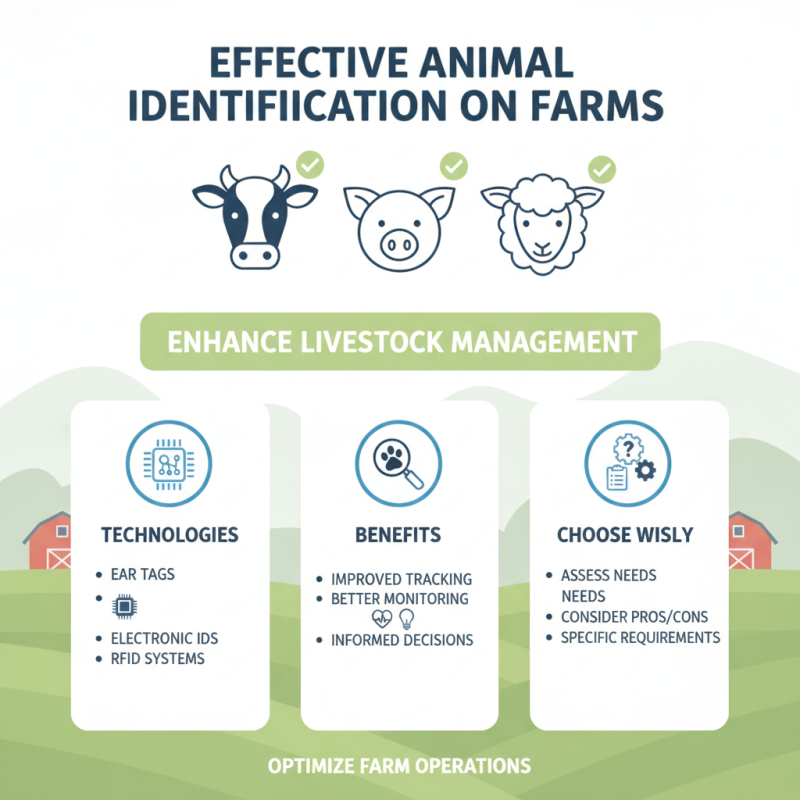
Implementing animal identification systems on farms can enhance livestock management significantly. These technologies improve tracking and monitoring. Farmers can use ear tags, electronic IDs, and RFID systems. Each method has its own strengths and weaknesses. Farmers need to choose wisely based on their specific requirements.
However, simply installing the technology is not enough. Training staff properly is crucial. Workers must understand how to use these systems effectively. Many farms face challenges in staff adoption and usage. It’s a common oversight to focus solely on the technology. Continuous training and updates are necessary to adapt to changing circumstances.
Data management is another critical factor. Collecting data is important, but storing and analyzing it is vital. Many farmers struggle with analyzing the data collected. Without proper interpretation, this valuable information can remain unused. Regular reviews and feedback on the systems can lead to improvements. Recognizing these challenges can help farmers refine their approaches and ultimately enhance their operations.
Benefits of Enhanced Animal Tracking for Livestock Health and Productivity
Enhanced animal tracking through identification technology significantly boosts livestock health. Accurate data collection helps farmers monitor each animal's well-being. Regular health checks become easier with real-time tracking. Farmers can quickly identify sick animals and respond promptly. This targeted approach reduces the spread of disease in herds.
Improved tracking also contributes to better productivity. Farmers can analyze growth patterns and feeding habits. This data allows adjustments to diets that maximize weight gain. Livestock management becomes more efficient as farmers make informed decisions. Identification technology fosters proactive management, resulting in healthier animals.
However, implementing this technology presents challenges. Not all farmers have the resources to adopt advanced systems. Training may be required for staff to use these tools effectively. It's important to consider the balance between technology use and traditional farming methods. Finding the right combination may enhance outcomes in livestock management.
Future Trends in Animal Identification Technology for Sustainable Farming
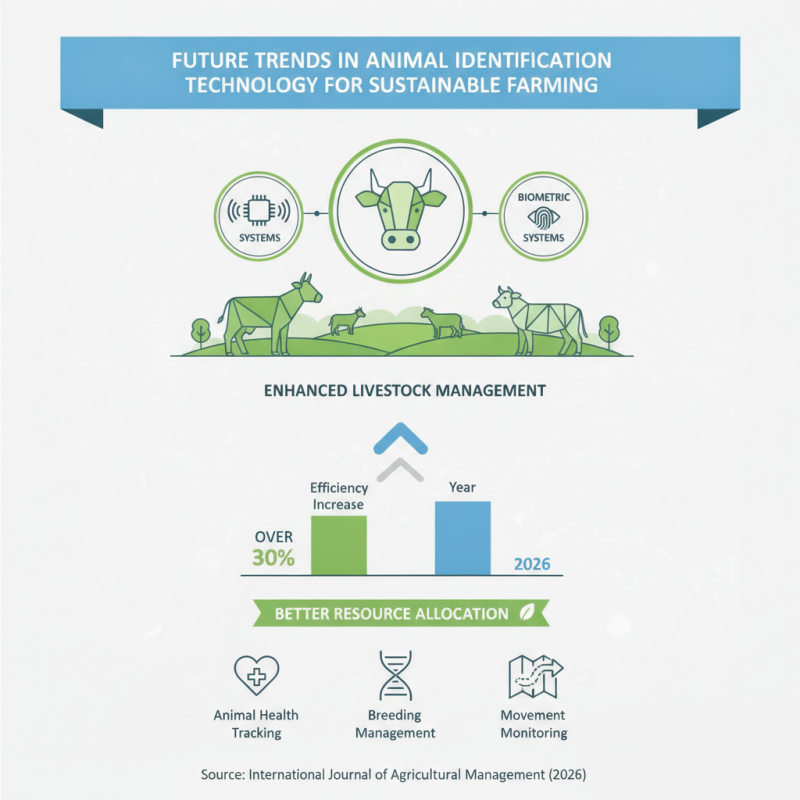
As the agricultural sector moves towards sustainability, animal identification technology plays a crucial role. In 2026, advanced identification methods like RFID and biometric systems are projected to enhance livestock management. According to the International Journal of Agricultural Management, implementing these technologies can increase efficiency by over 30%. Accurate tracking of animal health, breeding, and movement ensures better resource allocation.
However, challenges remain. In some regions, adoption rates of identification technology are still low, limited by high costs and lack of training. A study from the Food and Agriculture Organization identified that nearly 40% of farmers remain unaware of available solutions. This gap highlights the need for education within farming communities. Bridging this gap is essential for realizing the full benefits of animal identification technology.
Moreover, future trends indicate a shift towards integrating artificial intelligence with identification systems. AI can analyze data to predict livestock health issues and optimize feeding practices. Reports suggest that farms utilizing AI can reduce operational costs by up to 15%. Yet, ethical considerations must be addressed, ensuring farmer and animal welfare are prioritized alongside technological advancements.