- Home
- About Us
- Products
- Video
- News
- Blog
- Contact Us
Leave Your Message
China has become a significant sourcing destination for Livestock Injection products. Its manufacturers serve poultry, swine, cattle, sheep, and aquaculture operations across many markets. Buyers can find vaccines, antibiotics, antiparasitic treatments, vitamin injections, and supportive veterinary solutions. However, product variety alone does not prove supplier reliability.
A dependable supplier should provide clear ingredient information, batch numbers, expiry dates, storage guidance, and traceable quality records. Manufacturing facilities should demonstrate controlled processes, trained technical teams, and appropriate quality management systems. Export experience also matters, especially when products require temperature monitoring during transport. A delayed shipment can turn a useful medicine into a costly problem.
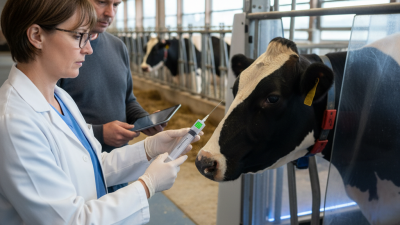
Animal welfare must remain central. Dr. Temple Grandin, a respected livestock-handling expert, stated, “The handling of animals is more important than the equipment.” Her observation applies directly to injection programs. Calm handling, clean equipment, correct restraint, and trained personnel can reduce stress and prevent avoidable injuries. The smallest details matter.
Yet, supplier selection is not always simple. Attractive pricing may hide weak documentation or inconsistent communication. A polished website may reveal little about manufacturing practice. Buyers should request samples of compliance documents, verify production capabilities, and discuss after-sales support before placing large orders. Independent veterinary advice remains essential, because treatment decisions depend on species, disease status, dosage, and local requirements.
This guide examines leading Chinese suppliers through a practical lens. It considers product quality, certifications, production capacity, export performance, technical support, and customer responsiveness. No supplier is perfect. The strongest partners are transparent about limitations, willing to answer difficult questions, and prepared to improve when something goes wrong.
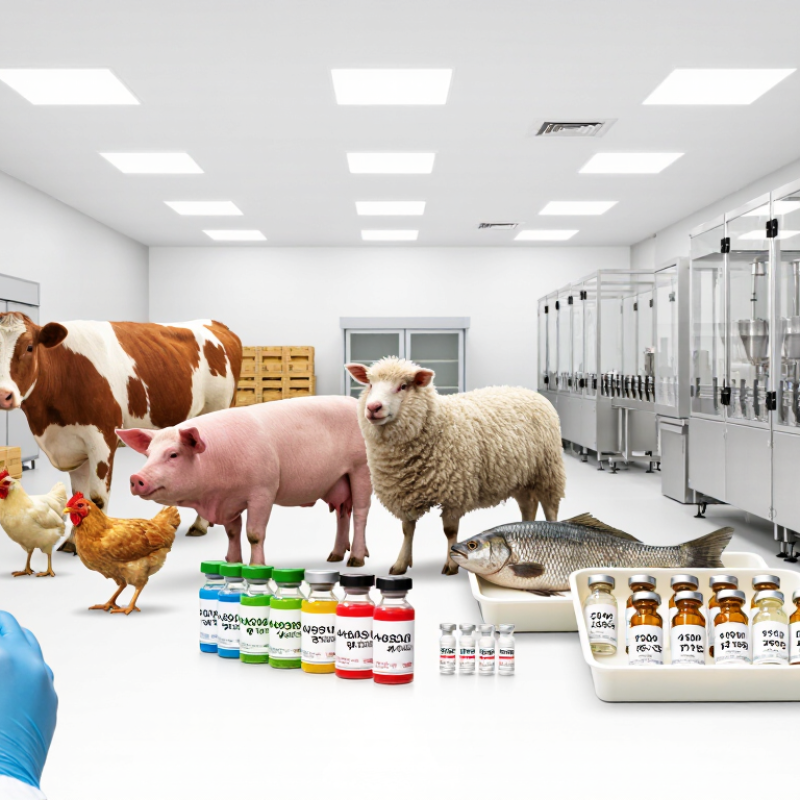
China’s livestock injection supply market covers vaccines, antibiotics, antiparasitic treatments, vitamins, and supportive veterinary medicines. In 2024, customs trade data showed continued export activity across Southeast Asia, the Middle East, Africa, and Latin America. However, product categories are not always reported consistently. Some records combine finished injections with broader veterinary medicine groups.
The market includes large manufacturing facilities and smaller specialized producers. A serious buyer should examine manufacturing licenses, batch records, sterility controls, and export documentation. Cold-chain capacity also matters, especially for temperature-sensitive products. In supplier reviews, I would compare declared customs information with factory certificates and shipment terms. Paperwork can look excellent, yet production details may remain unclear.
The picture is mixed. Export volume alone does not prove reliability. A lower-priced injection may involve weaker packaging, shorter shelf life, or limited technical support. Buyers should request stability data, dosage guidance, and clear storage instructions before placing repeat orders. 2024 trade figures provide useful direction, but they should not replace product testing or regulatory review in the destination market. Data can be incomplete. That limitation deserves attention.
| Data Dimension | Market Scope / Indicator | 2024 Data Status | Unit / Classification | Reliable Data Interpretation |
|---|---|---|---|---|
| Product definition | Sterile injectable veterinary medicinal products for cattle, swine, poultry, sheep, goats and aquaculture animals | Included within the broader veterinary pharmaceutical and animal-health product market | Product category | “Livestock injection” is not a standalone international customs classification, so product-level trade totals require company, product or shipment databases. |
| Main dosage forms | Injectable solutions, injectable suspensions, emulsions and long-acting depot injections | Commercially relevant forms in veterinary medicine | Dosage-form segment | Final classification depends on active substance, formulation, packaging and customs treatment. |
| Typical therapeutic segments | Antibacterials, antiparasitics, anti-inflammatory products, vaccines, vitamins and mineral preparations | Segmented by active ingredient and regulatory registration rather than by one universal HS code | Therapeutic category | Antimicrobial products may be subject to additional import, residue-control and prescription requirements in the destination market. |
| Relevant HS heading | Medicaments consisting of mixed or unmixed products, prepared in measured doses or retail packaging | Potentially reported under HS 3004, subject to the national tariff schedule and product characteristics | HS 3004 | HS 3004 includes human and veterinary medicaments; it does not isolate livestock injections. |
| Alternative HS heading | Medicaments supplied in bulk or not presented in measured doses or retail packaging | Potentially reported under HS 3003, depending on presentation and customs determination | HS 3003 | Bulk veterinary formulations may be mixed with other pharmaceutical trade in published statistics. |
| 2024 China export value | Livestock injections specifically | Not separately disclosed in standard HS trade tables | USD value | A defensible figure must be extracted from shipment-level records or a narrowly defined customs-code and product-filter query. |
| 2024 China export volume | Livestock injections specifically | Not separately disclosed in standard HS trade tables | Kilograms, litres or units | Published customs datasets generally report the quantity for the complete HS category, not for injections alone. |
| 2024 trade-price indicator | Average export unit value for livestock injections | Not calculable without product-level value and quantity data | USD per kg, litre or dose | HS-level averages would combine different medicines, pack sizes, strengths and product qualities. |
| Supplier qualification scope | Manufacturing authorization, veterinary drug registration, quality system, sterile production capability and export documentation | Requirements vary by product and destination market | Procurement criterion | Buyers should verify current regulatory certificates, product registration status, batch documentation and site-audit records. |
| Quality documentation | Certificate of Analysis, sterility records, stability data, batch release documents and packaging specifications | Normally requested during international procurement and registration review | Documentation set | Document requirements are determined by the importing authority, product type and intended animal species. |
| Packaging and logistics | Vials, ampoules, prefilled syringes or multi-dose containers; temperature-controlled logistics where required | Packaging and transport conditions depend on formulation stability | Supply-chain criterion | Cold-chain requirements should be confirmed from approved storage and transport conditions on the product documentation. |
| Recommended 2024 data sources | China Customs Statistics, UN Comtrade, ITC Trade Map and destination-country customs databases | Use HS 3003 and HS 3004 as starting points, followed by product-level filtering | Trade-data methodology | The reporting scope, HS revision, valuation basis and re-export treatment should be recorded before comparing 2024 figures. |
Note: Standard international trade statistics do not provide a single, globally consistent customs code for livestock injections. HS 3003 and HS 3004 are broader pharmaceutical categories and should not be presented as livestock-injection-only trade totals.