
Leave Your Message

How to Choose a Veterinary Automatic Syringe?

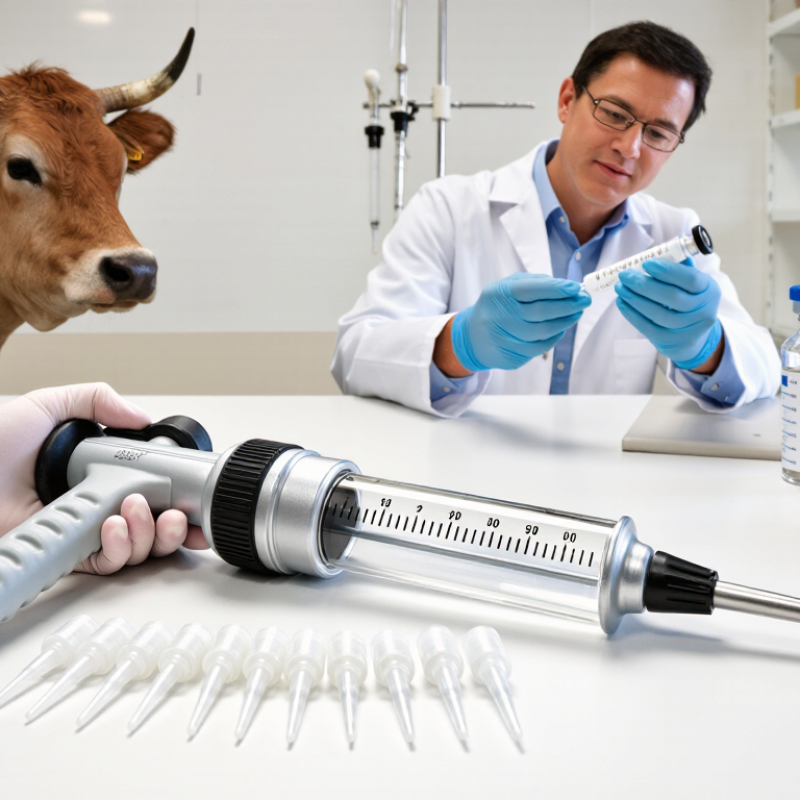
Choosing a Veterinary Automatic Syringe starts with the animal, the medication, and the demands of the treatment routine. A device suited to a calm, large animal may feel awkward when working with smaller patients or in a crowded clinic. Small details matter. The grip, dose adjustment, and ease of cleaning can all affect daily use.

Check that the syringe’s capacity and dosing increments match the prescribed amount. Confirm that the model is intended for the medication type and compatible needles you plan to use. Some products have specific limits for viscosity or recommended cleaning methods, so read the manufacturer’s instructions rather than guessing. Accuracy matters. A clear, readable scale and a dependable dose-setting mechanism make it easier to check settings before each use. Ask a veterinarian or supplier if compatibility is uncertain.

Think about workflow, too. A comfortable handle may help during repeated injections, while a simple loading process can reduce interruptions. Materials and replacement-part availability also deserve attention. The lowest-cost option is not always the easiest to maintain, but a more elaborate model may add features your team rarely needs. It is a real trade-off. This guide will outline the main features to compare, questions to ask, and practical signs of a suitable fit. Selection still depends on the specific animal and treatment plan. When in doubt, verify the choice with a veterinary professional and follow the device instructions carefully.
How to Choose a Veterinary Automatic Syringe?

Identify the Animal, Medication, and Dosing Requirements

How to Choose a Veterinary Automatic Syringe?

Identify the Animal, Medication, and Dosing Requirements

Start with the animal, not the syringe. Record species, weight, age, and treatment setting; a calm house cat and a moving calf create different handling needs. The AVMA’s 2022 Pet Ownership and Demographics Sourcebook estimates that 59.8 million U.S. households own dogs and 42.2 million own cats. USDA’s 2022 Census of Agriculture counted about 87.2 million cattle and calves on farms. These figures underline the range of animals veterinarians may treat, not a one-size-fits-all tool. Match the syringe’s capacity and graduations to the prescribed dose, so the measured volume is easy to read. Confirm the device suits the medication’s viscosity, intended route, and treatment frequency. Follow the product instructions and the veterinarian’s directions; never infer a dose from syringe capacity.

Tips: Write down the drug concentration and prescribed volume before loading. Check that the needle length and gauge are appropriate for the animal and injection site. Test the mechanism with a harmless practice action, if the manufacturer permits it. Then inspect the barrel for air bubbles and confirm the setting. Small checks matter. I’ve seen how easy it is to focus on the animal and overlook a mismatched dose scale. If the label or setting is unclear, pause and ask the prescribing veterinarian or a trained veterinary professional.

Compare Automatic Syringe Types and Injection Methods

Automatic syringes differ in how they hold and deliver medication. A bottle-mounted repeater draws fluid directly from a container, which can speed up routine work with several animals. A handheld syringe with tubing offers more freedom of movement, but the line must stay clean and free of air. Some models allow dose adjustment; others deliver a fixed volume with each trigger pull. Check that the dose scale is easy to read and the mechanism moves smoothly. Small differences matter.

Injection method also affects the choice. Subcutaneous injections go beneath the skin, while intramuscular injections enter muscle; the appropriate route depends on the medication, animal, and veterinary directions. A short, controlled injection can be easier with a compact syringe, while repeated dosing may favor a stable, adjustable model. Needle length and placement still require proper training. The device does not make technique automatic.

Before use, confirm the prescribed dose, inspect the needle and connections, and follow the product’s cleaning instructions. Watch for leaks or bubbles in the fluid path. A common oversight is choosing for speed alone. I would compare comfort, dose consistency, and cleaning effort too; the best fit is not always obvious in a catalog.

Evaluate Capacity, Accuracy, and Needle Compatibility

Capacity should match the usual dose, not the largest dose you might give. A barrel that is too large can make small volumes harder to read. Too small, and repeated refilling may slow a treatment routine. Check the scale markings against the doses your veterinarian prescribes. Small increments matter.

Accuracy depends on both the syringe mechanism and the way it is used. Look for clear graduations, a smooth plunger, and consistent delivery across several test strokes with water. If the plunger sticks or the markings are difficult to see, measurement becomes less dependable. A larger syringe can seem efficient, but it is not always the better choice. I would also check whether the device can be cleaned and maintained as its instructions specify; this detail is easy to overlook.

Needle compatibility affects fit and handling. Confirm that the syringe accepts the required needle connection, such as a luer-lock or slip-tip design, and that the needle size suits the prescribed medication and animal. The needle should attach securely without wobbling or leaking. Match needle choice to veterinary guidance, since the animal, injection site, and medication all matter. Test the connection before use, and replace damaged parts rather than relying on a loose fit.

Check Safety Features, Handling, and Sterilization Needs

How to Choose a Veterinary Automatic Syringe?
Check Safety Features, Handling, and Sterilization Needs

When choosing a veterinary automatic syringe, look beyond dose settings. Safety starts with predictable control. A clear dosage scale, secure plunger lock, and guarded needle connection can help reduce accidental delivery or disconnection. Check whether the device prevents unintended movement when set down. Small details matter.

Handling should feel steady with gloved hands, not just comfortable in a showroom. Test the grip, trigger resistance, balance, and visibility of the dose window. If the barrel blocks the scale at common angles, staff may misread it. Practice with an approved training setup, following the device instructions, before routine use. Fatigue is easy to overlook during a busy clinic shift.

Sterilization needs vary by model and by which parts contact the animal or medication. Confirm which components can be autoclaved, which need approved cleaning, and whether seals or springs must be removed. Avoid assuming a rinse is enough. Repeated heat or harsh chemicals can damage materials, and incomplete drying may affect operation. Keep a cleaning record and inspect the barrel, seals, and needle hub for cracks or residue. Cleaning takes time; skipping it is not a sensible shortcut. If compatibility is unclear, check the instructions or ask a veterinary professional.

How to Choose a Veterinary Automatic Syringe? — Check Safety Features, Handling, and Sterilization Needs
Selection Dimension What to Check Practical Guidance Why It Matters
Dose range and adjustment Confirm that the syringe’s dose settings cover the prescribed volume and can be adjusted in suitable increments. Compare the device’s stated range and increments with the medication label and veterinary instructions. Do not estimate doses beyond the marked settings. A suitable range and clear settings help reduce dose-selection errors.
Dose consistency and calibration Review the manufacturer’s accuracy information, calibration instructions, and recommended inspection schedule. Check that the dose selector returns to the intended setting and that the mechanism delivers smoothly. Follow the product instructions for testing or calibration. Wear, incorrect assembly, or a poorly maintained mechanism can affect delivered volume.
Dose lock and setting visibility Look for a dose-setting lock or other feature that helps prevent accidental changes, plus markings that are easy to read. Choose controls that can be checked at a glance and are unlikely to shift during handling. Verify the selected dose before each use. Clear, stable settings can help prevent unintended dose changes.
Needle attachment and protection Check that the needle connection is secure and compatible with the intended needle type. Consider a protective cap or guard where available. Inspect the connection before use and follow safe needle-handling and disposal procedures. Replace damaged or loose components. A secure connection helps reduce leakage or detachment; careful handling lowers needlestick risk.
Grip and operating force Assess handle shape, grip texture, balance, and the force needed to operate the trigger or plunger. If possible, hold the device with the gloves used in practice. Check that the controls are reachable without changing to an unstable grip. Comfortable handling can support controlled delivery, especially during repeated use.
Loading and priming Review how the medication container is fitted, how the syringe is primed, and how air is removed when required. Follow the device and medication instructions for filling and priming. Do not use a device that leaks, contains visible damage, or cannot be assembled correctly. Correct setup helps avoid air or leakage interfering with intended delivery.
Material and medication compatibility Check whether the syringe’s materials and seals are suitable for the medication, disinfectants, and cleaning agents in use. Consult the device instructions and medication information. Do not assume that all plastics, seals, or lubricants are compatible with every product. Incompatible substances may damage components or affect device function.
Cleaning and sterilization Determine which parts are reusable, how they should be cleaned, and whether any parts are approved for a specified sterilization method. Follow the manufacturer’s instructions for disassembly, cleaning, drying, and sterilization. Use an autoclave only when the specific components are expressly approved for it. Heat or unsuitable chemicals can damage components; cleaning requirements vary by device and material.
Maintenance and replacement parts Check how to inspect seals, springs, barrels, and dose controls, and whether compatible replacement parts are available. Keep to the recommended maintenance schedule and remove worn, cracked, or malfunctioning parts from service. Regular inspection can help identify wear before it affects operation or hygiene.
Use setting and workflow Consider whether the syringe is intended for the animal species, medication type, and frequency of use involved. Match the device to the clinical or husbandry task and the user’s training. Follow local infection-control and sharps-safety procedures. A device suited to the workflow is easier to use consistently and clean appropriately.
Selection note: Device features and sterilization compatibility vary. Always follow the syringe manufacturer’s instructions, the medication label, and the veterinary professional’s directions.

Select a Model for Your Clinical Setting and Maintenance Routine

How to Choose a Veterinary Automatic Syringe?

Select a Model for Your Clinical Setting and Maintenance Routine

Start with the animals and procedures your team handles most often. A busy clinic may need a durable syringe with a comfortable grip and a volume range suited to repeated dosing. For mobile work, consider weight, portability, and whether the device can be cleaned reliably between patients. Check that graduations are easy to read under exam-room lighting. Small details matter.

Tips: Match the syringe’s capacity to typical doses, not just the largest dose you might give. Review the cleaning and inspection steps before purchase.

Maintenance should fit the people and time available. Confirm how the syringe is disassembled, which parts require routine replacement, and whether the manufacturer provides clear calibration guidance. Staff should know how to check for leaks, sticking plungers, or inconsistent delivery before use. Follow the device instructions and your clinic’s medication protocols. A feature-rich model can be a poor fit if its upkeep is routinely skipped. That trade-off is easy to underestimate. Revisit the choice after staff have used it in real workflows, and record problems rather than relying on memory.