How to Use Syringes for Animal Care Safely?
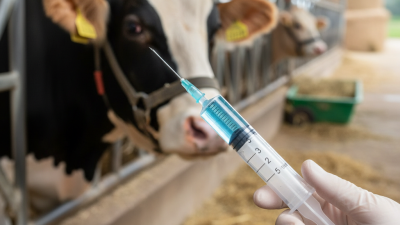
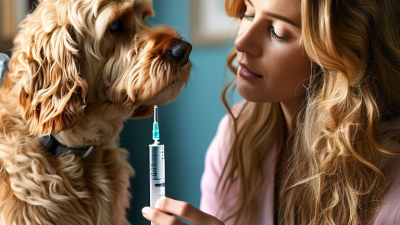
Using syringes for animal care is a common yet sensitive task. Proper techniques ensure the safety of both animals and caregivers. "Animal Use Syringes" play a crucial role in administering medication or vaccinations. However, caregivers must understand the potential issues that arise during this process.
Many animal caretakers may feel uncertain about how to use syringes properly. This fear can lead to mistakes that harm the animal or the user. It is essential to practice safe handling techniques. Syringes should be sterile and appropriately sized for the animal. Failing to do so can result in injuries or infections. Caregivers must familiarize themselves with the specific needs of the animal they are treating.
Furthermore, knowledge of anatomy is vital. Without understanding the best injection sites, caregivers risk complications. The timid approach can lead to stress for the animal, impacting their overall well-being. Reflecting on these aspects brings awareness to the importance of careful administration. Using syringes correctly is not just a matter of technique; it's about building trust with the animals in our care.
Understanding Different Types of Syringes Used in Animal Care
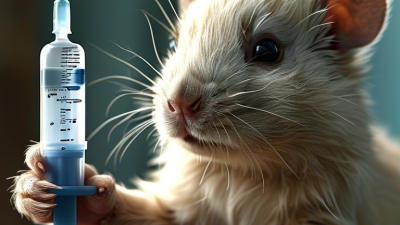
Understanding the different types of syringes used in animal care is essential for ensuring safety and effectiveness. There are various syringes tailored to specific applications. For instance, standard luer lock syringes are versatile and commonly used for administering vaccines. In contrast, insulin syringes are designed specifically for small animals requiring precise dosages. The capacity of syringes can vary widely, with sizes ranging from 1 mL to 60 mL, allowing practitioners to choose based on the required volume of medication.
Proper training in using these syringes is crucial. A study by the American Veterinary Medical Association highlighted that improper use can lead to dosage errors or injuries. Selecting the right syringe can mean the difference between a successful treatment and a stressful experience for the animal. Remember that different species may react differently to injections, so careful consideration of the syringe type is necessary.
For optimal safety, ensure syringes are sterile before use. Use different syringes for different medications to prevent cross-contamination. Always check the expiration date on pre-filled syringes. Keep a log of syringe sizes and medication types used; this can prevent critical mistakes. A good practice is to have a second person double-check dosages before an injection. Each step in this process matters, and slight oversights can lead to significant issues in animal care.
Key Safety Protocols for Handling Syringes in Veterinary Practices
Handling syringes in veterinary practices requires strict adherence to safety protocols. A sanitized environment is crucial. Always wear gloves when using syringes to protect yourself and the animal. Dispose of syringes in puncture-resistant containers immediately after use. This reduces the risk of accidental injury and contamination.
Maintaining the integrity of the syringe is vital. Check for any defects before use. A damaged syringe could lead to dosing errors or potential harm. Make sure to follow dosage guidelines closely. Animals that are anxious may react unpredictably, so approach them gently.
Proper training is essential in syringe handling. Even experienced veterinarians must constantly review safety procedures. Mistakes can happen, leading to mishaps. Reflect on past experiences to improve practices. Being proactive in safety helps build a more secure environment for both staff and animals.
Best Practices for Administering Injections to Animals
Administering injections to animals requires careful attention and skill. Proper techniques can minimize stress on the animal. It is essential to assess the animal's behavior and health beforehand. Observe for any signs of anxiety or illness before proceeding with the injection. A calm environment and gentle handling can help.
When preparing the syringe, ensure it is clean and appropriate for the volume needed. Use the right gauge needle to minimize discomfort. Before injection, draw back on the plunger to check for blood. If you see blood, you may be in a blood vessel. Withdraw and try again. This step ensures safety for both you and the animal.
Always remember to approach every injection holistically. Animals have different tolerances and reactions, which may not always be predictable. Trust your instincts and adjust your approach as needed. After administering the injection, monitor the animal for any adverse reactions. This vigilance can lead to learning opportunities and improve future practices. Each experience teaches us something new about proper care.
Injection Techniques Evaluation in Animal Care
Recognizing Dosage Measurements: Guidelines for Accurate Syringe Use
When using syringes for animal care, understanding dosage measurements is crucial. Accurately reading the syringe markings helps ensure pets receive the correct medication. Always check that you are using the right syringe size. Some medications require more precise measurements, while others can be administered in larger doses.
Maintaining cleanliness is essential. Always use a fresh syringe for each application. Contaminants can make animals sick. Regularly review how to hold the syringe properly. A steady hand reduces mistakes when measuring doses.
Consider reviewing the dosage with a professional before proceeding. Miscalculations can lead to ineffective treatment or harm. Practice how to draw medication and release it slowly. A careful approach helps avoid stress for both the animal and caretaker. It’s not uncommon to feel uncertain; ask questions until you are comfortable with the process.
How to Use Syringes for Animal Care Safely? - Recognizing Dosage Measurements: Guidelines for Accurate Syringe Use
| Animal Type |
Recommended Syringe Size (ml) |
Common Dosage (mg/kg) |
Frequency of Administration |
Safety Tips |
| Dogs |
1-5 ml |
5-10 mg/kg |
Every 12-24 hours |
Ensure correct measurement; use a new syringe for each dose. |
| Cats |
1-3 ml |
5-15 mg/kg |
Every 24 hours |
Keep syringes capped; check for air bubbles before use. |
| Rabbits |
1-3 ml |
10-20 mg/kg |
Every 12-24 hours |
Use a gentle technique; avoid stress during administration. |
| Birds |
1-2 ml |
20-40 mg/kg |
Every 12-24 hours |
Hold securely; ensure proper positioning. |
Sanitation and Disposal of Syringes to Prevent Contamination and Waste
When using syringes in animal care, proper sanitation is crucial. Contaminated syringes can transmit diseases among animals. According to the World Organization for Animal Health, improper handling of syringes can lead to increased disease spread, impacting animal health and welfare. Washing hands and using gloves is essential before handling syringes or administering injections.
After use, syringes must be disposed of correctly to prevent contamination. The Centers for Disease Control and Prevention recommends placing used syringes in puncture-proof containers. This reduces the risk of needle-stick injuries and environmental harm. In fact, improper syringe disposal contributes to 30% of medical waste, a significant public health concern. Reviewing waste management practices in veterinary facilities is necessary to ensure these guidelines are followed.
Reflection on current practices is vital. Many facilities may not have comprehensive training on syringe disposal. This can lead to oversight and potential health risks. Regular training sessions should focus on sanitation and proper disposal methods. This could improve safety for both animals and caregivers in veterinary settings.