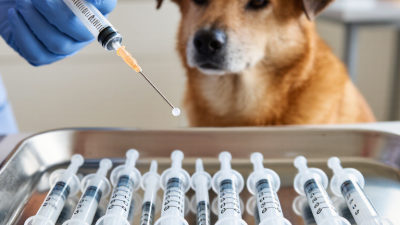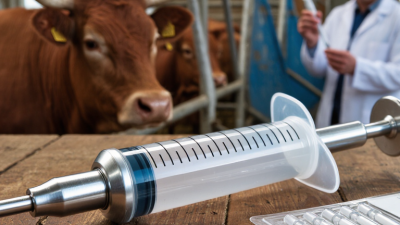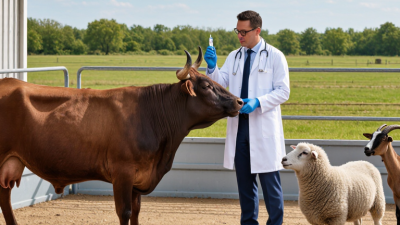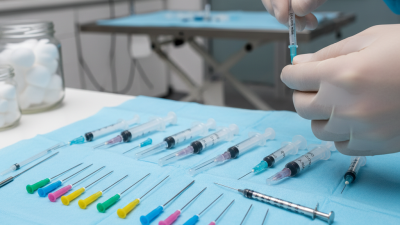
An Animal Healthcare Syringe is a practical tool for delivering measured doses of vaccines, medicines, or fluids to animals. Depending on its design, it may be used by veterinarians, veterinary nurses, or trained animal-care staff. A small syringe can help deliver a precise dose beneath the skin, while larger models may suit livestock procedures. The right choice depends on the animal, the substance, and the prescribed route. One detail matters: an oral dosing syringe is not interchangeable with an injection syringe.
The public-health value of accurate animal vaccination is clear. The World Health Organization’s Expert Consultation on Rabies: Third Report (2018) identifies 70% dog-vaccination coverage as a target for interrupting rabies transmission in affected communities. A syringe does not achieve that coverage by itself. Correct dose measurement, safe handling, and reliable vaccination records matter too. In a clinic, that may mean checking the dose against the animal’s weight and confirming the product label before use. Small errors can have real consequences. Yet a syringe is only one part of responsible care; diagnosis and treatment decisions belong with a qualified veterinary professional. Understanding what an Animal Healthcare Syringe is used for helps clarify its role—and its limits.
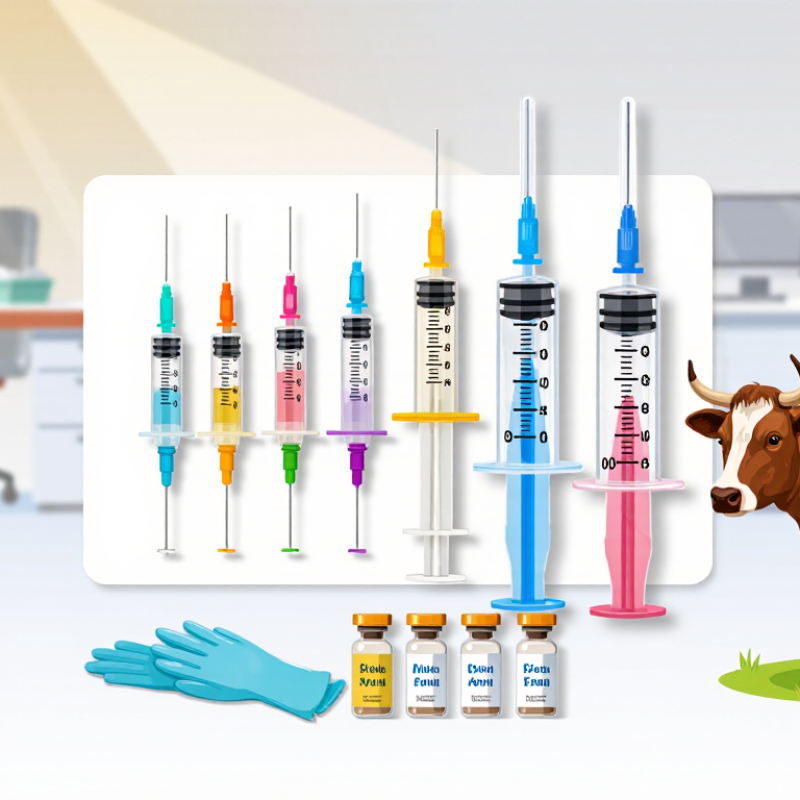
An animal healthcare syringe is a calibrated tool for measuring and delivering veterinary medicines or vaccines. It usually has a barrel, plunger, and, when needed, a needle. Some models have no needle and are designed for oral dosing. The right type depends on the animal, the medicine, and the prescribed route. Not interchangeable. A syringe is not just a tube: clear graduations help caregivers measure doses accurately, while a secure plunger supports controlled delivery.
Veterinarians and trained animal-care staff use syringes in clinics, farms, and shelters. They may administer a prescribed treatment or draw a measured amount from a medicine container. The needle size and syringe capacity should match veterinary directions; using the wrong combination can cause dosing errors or unnecessary discomfort. The markings can look simple, yet small graduations are easy to misread. Checking the dose twice is sensible. Follow the medicine label and the veterinarian’s instructions, and use sterile equipment as directed.
The tool’s role matters across a large sector. FAO’s 2009 report, The State of Food and Agriculture: Livestock in the Balance, estimated that livestock supported the livelihoods of about 1.3 billion people and contributed around 40% of global agricultural output. Those figures describe the sector, not syringe use, but they show why reliable animal care tools matter. A syringe still has limits: it cannot diagnose illness or make an unsuitable medicine safe. A professional should advise on dose, route, and handling, especially when an animal is very young, small, or unwell.
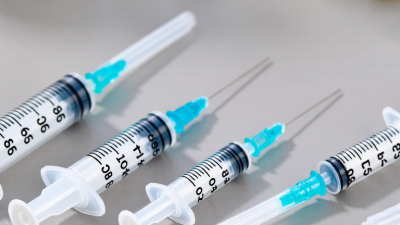
What Is an Animal Healthcare Syringe Used For?
What Are the Main Uses of Veterinary Syringes?
Veterinary syringes help measure and deliver medicines accurately. A clinic may use them for prescribed injections, vaccines, or fluids. Some are designed to give liquid medicine by mouth. Others have different tips or needles for specific tasks. The syringe must suit the animal, medication, and route. A syringe is not a one-size-fits-all tool.
Veterinary teams also use syringes to draw up measured doses and, when appropriate, flush small areas with sterile fluid. Injections require suitable equipment and training; owners should follow a veterinarian’s instructions rather than choose a needle or dose themselves. Even clear markings can be hard to read on a small barrel. If a dose seems uncertain, pause and ask the clinic. Guessing is not worth the risk.
Tips: Check the prescribed amount at eye level, and use the exact syringe size recommended. Keep the tip clean, and never share a used needle. For oral medicine, give it slowly into the side of the mouth. Some animals resist. Ask your veterinary team to demonstrate the technique if you feel unsure.
Animal-care syringes vary by route, dose, and animal size. A standard hypodermic syringe delivers measured medication beneath the skin, into muscle, or into a vein when prescribed by a veterinary professional. Disposable models reduce cleaning demands, while reusable models require careful cleaning and sterilization according to their instructions. Small-volume, finely graduated syringes help measure precise doses for smaller animals. Fit matters. The markings and needle must suit the prescribed dose and route.
Oral dosing syringes deliver liquid medicine into an animal’s mouth, often with a blunt tip and no needle. They can help caregivers measure and give liquid treatments, but restraint and technique still matter. Automatic multi-dose syringes are useful in herd settings, where repeated injections are given and consistent dose settings can save time. They need regular checks; a poor setting can repeat the same mistake across animals. Some veterinary insulin syringes use unit markings, so caregivers should follow the prescribed syringe type rather than assume all scales match.
The scale of pet care makes clear why several formats are needed. The American Pet Products Association’s 2025 National Pet Owners Survey estimated that 94 million U.S. households owned at least one pet. That figure describes households, not syringe use, but it signals the range of animal-care needs. A syringe that feels easy to handle may still be wrong for a particular species, medication, or route. When uncertain, confirm the device and dose with a veterinarian.
A veterinary syringe delivers measured medicine, vaccine, fluid, or oral treatment to an animal. The route matters: oral syringes are not interchangeable with injectable ones. Before drawing a dose, check the animal, medicine, concentration, expiry date, and prescribed route. Confirm the dose against the animal’s current weight and the veterinarian’s instructions. A small label can be hard to read in a busy treatment room. Pause and verify it.
Use a clean syringe and the correct needle for the species, medicine, and injection site. Draw the prescribed amount, check the markings at eye level, and remove air as directed by the veterinarian or product instructions. Keep the animal securely and calmly restrained; a sudden movement can injure both animal and handler. Give the medicine only by the instructed route and site. Never guess. The FDA’s 2022 antimicrobial sales report found that sales of medically important antimicrobials for food-producing animals were 33% lower than in 2016. That figure does not measure syringe technique, but it underscores why careful dosing and responsible medicine use matter. Dispose of used needles in an approved sharps container, and follow veterinary guidance for cleaning or discarding syringes. A rushed check can undo careful measuring.
Veterinary syringes are used to measure and administer prescribed medicines or vaccines, and for tasks such as flushing and irrigation. The chart shows common nominal syringe capacities and example uses.
Capacities and appropriate uses vary by animal, product, and route of administration. Follow veterinary instructions; syringe size alone does not determine a safe dose.
What Is an Animal Healthcare Syringe Used For?
How Should Veterinary Syringes Be Handled and Maintained?
Veterinary syringes deliver measured doses of medication or vaccines and may also collect fluids. Safe handling starts before drawing a dose: check the label, confirm the prescribed amount, and use clean hands and a sterile needle. Use a new syringe and needle for each animal. Never return a used needle to a medication vial. Small lapses matter. The World Health Organization’s injection-safety guidance cites an estimated 16 billion injections worldwide each year; this figure covers all healthcare, not veterinary practice.
Inspect the barrel for cracks, cloudy plastic, worn markings, or a sticky plunger. If measurement marks are hard to read, replace the syringe rather than guessing. Single-use syringes belong in an approved sharps container after use. Reusable equipment should be cleaned and sterilized only as its manufacturer and veterinary protocol direct; heat or harsh chemicals can damage some materials. Keep clean supplies dry, covered, and separate from used equipment. Even careful teams can miss a damaged plunger during a busy shift.
Tips: Match syringe capacity to the dose for clearer measurements. Keep the cap on until use, and avoid touching the needle. Label prepared syringes immediately. If a dose, device, or cleaning step is uncertain, pause and ask the supervising veterinarian.
| Syringe Type or Use | Typical Veterinary Purpose | Handling and Maintenance |
|---|---|---|
| Injection syringe | Delivers prescribed vaccines, medicines, or fluids by an appropriate injection route. | Use the route, dose, syringe size, and needle specified by the veterinary professional. Check the package and expiry date, and use a new sterile syringe and needle for each injection. |
| Oral dosing syringe | Measures and gives liquid medicine by mouth; these syringes are generally designed without a needle. | Confirm the prescribed amount and correct measuring scale. Give liquid slowly as directed, and clean or replace the syringe according to its instructions. Keep oral-use equipment separate from injection equipment. |
| Insulin or other fine-dose syringe | Measures small, prescribed doses when the syringe scale is matched to the medication concentration. | Use only the syringe type and scale specified for the medicine. Read the markings carefully and have any dose or concentration uncertainty confirmed by a veterinary professional. |
| Feeding or flushing syringe | May be used for measured enteral feeding or flushing when recommended for the animal and procedure. | Use only for the intended purpose and follow veterinary instructions. Clean reusable equipment as directed, and do not force fluid if the animal coughs, resists, or has difficulty swallowing. |
| Aspiration or sample collection | Can help draw fluid or a sample when used by trained veterinary personnel as part of a clinical procedure. | Maintain aseptic technique and use equipment appropriate to the procedure. Dispose of used needles and other sharps immediately in an approved sharps container. |
| Single-use syringe and needle | Provides sterile equipment for one intended use, including medication preparation or administration as directed. | Do not reuse or share single-use equipment. Do not leave an uncapped needle unattended; discard it safely without routine recapping. |
| Reusable veterinary syringe | Some purpose-designed syringes are reusable when their manufacturer permits it. | Follow the manufacturer’s instructions for disassembly, cleaning, rinsing, drying, and any required sterilization. Do not assume that boiling or household cleaning is suitable. |
| Storage and routine inspection | Proper storage helps keep equipment clean, legible, and ready for its intended use. | Store clean, dry equipment in a protected place. Before use, check for cracks, leaks, damaged tips, stiff or sticking plungers, unclear markings, or compromised sterile packaging; replace damaged equipment. |
Important: Syringe selection, dose, route, and technique depend on the animal and the prescribed treatment. Follow the product instructions and guidance from a veterinary professional.