Leave Your Message

10 Best Livestock Injections for Cattle Sheep and Goats

Choosing a Livestock Injection for cattle, sheep, or goats is not just a matter of comparing product names. A sound choice depends on the animal’s condition, the intended use, the approved species, and advice from a veterinarian. Temple Grandin, a leading animal-behavior expert, has said, “I think using animals for food is an ethical thing to do, but we’ve got to do it right.” That principle applies in the handling pen, too. Calm restraint, clean equipment, and careful recordkeeping help make treatment safer and more consistent.

This guide examines ten commonly discussed injection options and the practical questions producers should ask before using them. What is the product intended to address? Is it appropriate for this species and animal? What route does its label specify? A veterinarian can help answer these questions and assess whether treatment is needed at all. Check the current product label, follow professional guidance, and observe applicable withdrawal directions. Never assume a product suitable for cattle is also suitable for sheep or goats. That matters.

A ranked list has limits. Herds differ, symptoms can overlap, and a familiar product may not be the right choice for a particular animal. Even a tidy chart cannot diagnose a sick goat in the corner pen. Use this overview as a starting point for informed discussion, not as a substitute for veterinary examination or individualized treatment advice.
10 Best Livestock Injections for Cattle Sheep and Goats

What Livestock Injections Are and How They Support Animal Health

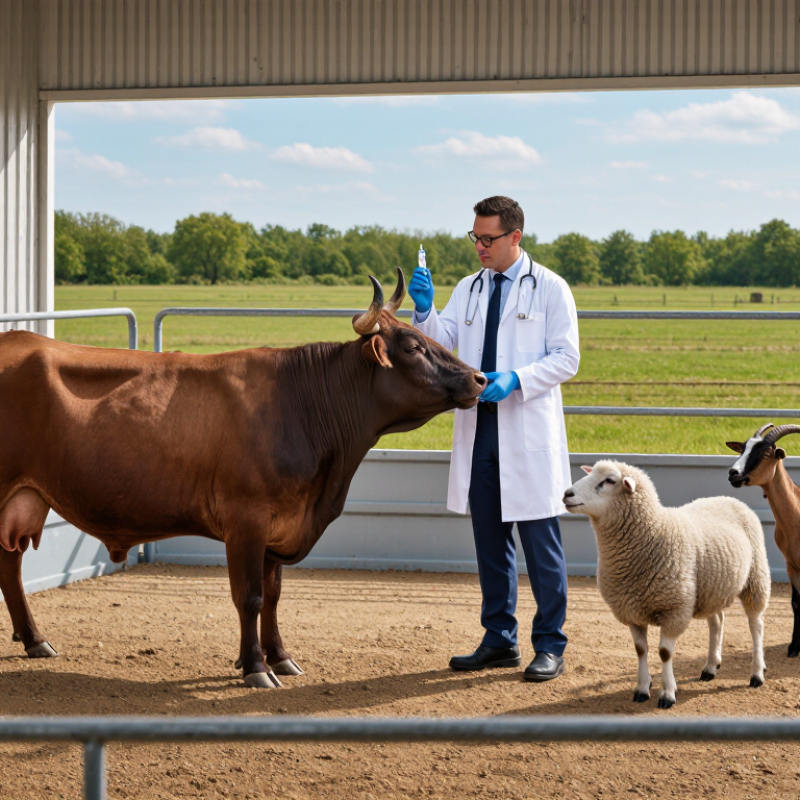
Livestock injections deliver vaccines, medicines, or selected nutrients under the skin or into muscle or a vein. The right route depends on the product and the animal’s condition. Used appropriately, vaccines can help prevent specific diseases, while medicines may treat diagnosed infections or other health problems. They are not interchangeable, and an injection is not automatically the best treatment.

Good care starts with observation. A cow that stops eating, a lamb with a swollen joint, or a doe with a fever needs careful assessment—not a guess based on one symptom. A veterinarian can identify likely causes, choose a suitable treatment, and explain dosage, timing, and withdrawal periods for food-producing animals. Clean equipment and correct injection technique matter. Technique matters. Poor handling can cause injury, infection, or ineffective treatment. I have to admit that even a well-stocked medicine kit can create false confidence if the diagnosis is uncertain.

Tips: Keep medicines labeled and stored as directed. Check the animal’s weight, product instructions, and expiry date before use. Ask a veterinarian to demonstrate unfamiliar techniques. Record the animal, date, product, and dose; contact a professional if a lump, worsening illness, or unexpected reaction appears.
Livestock Injections and Animal Health: Temperature Reference

Typical adult rectal temperature ranges can help assess livestock health, but readings vary with age, activity, weather, and measurement method. Injections—including vaccines and prescribed medicines—should be selected and administered according to veterinary guidance and product instructions.

Main Types of Injections Used in Cattle, Sheep, and Goats

Main Types of Injections Used in Cattle, Sheep, and Goats

Vaccines help build protection against specific diseases; injectable antibiotics treat certain bacterial infections when a veterinarian recommends them. Injectable vitamins or minerals may be appropriate when a diagnosed deficiency or management plan calls for them. Some parasite treatments are also injectable, but the right product and route depend on the animal and parasite. Injections are not interchangeable. The Merck Veterinary Manual emphasizes using products according to their labeled species, route, and directions.

Route matters.

Beef Quality Assurance guidance favors the neck for cattle injections, with subcutaneous administration preferred when the product label allows it. Its guidelines also advise limiting each injection site to 10 mL. Sheep and goats need species-specific instructions; cattle guidance should not simply be copied over.

Keep needles clean, restrain animals securely, and record the product, date, and site. It is easy to miss a record when the pen is busy.

The FDA’s 2022 antimicrobial sales report found sales of medically important antimicrobials for food-producing animals were 33% lower than in 2016. That trend supports careful, veterinary-directed use, not treating every illness with an antibiotic injection.

How Injection Needs Differ Among Cattle, Sheep, and Goats

Cattle, sheep, and goats may share a pasture, but they do not share identical injection needs. Cattle’s larger body mass can make dose estimation seem straightforward, yet weight-based dosing still matters. A mature cow and a young calf need different calculations. Sheep have smaller muscles, and wool can hide the intended injection area. Follow the product label for route and site; do not assume a cattle technique transfers safely. Small margins matter.

Goats need particular care because some medicines are processed differently in goats than in sheep or cattle. A dose approved for one species should not be copied across species without veterinary direction. Weigh animals where possible, use clean equipment, and record the product, dose, route, and date. The FDA’s 2023 Summary Report on Antimicrobials Sold or Distributed for Use in Food-Producing Animals found sales 33% below the 2016 peak. Those figures cover sales, not injections alone, but they reinforce the value of using antimicrobials only when appropriate. Injection choice is only part of the decision; species, body weight, health status, and label directions all matter. Even careful handling can miss something, so treatment plans deserve review with a veterinarian.

How to Choose an Appropriate Injection with Veterinary Guidance

Choosing an injection for cattle, sheep, or goats starts with the animal, not the medicine cabinet. A veterinarian can examine symptoms, review the animal’s age and pregnancy status, and decide whether an injection is appropriate. A hot, swollen joint or a dull appetite may have several causes. Guessing from one sign can delay useful care.

Tips: Before calling, note when symptoms began, take the animal’s temperature if you can do so safely, and describe recent changes. Keep the medicine label available. Ask about the correct route, handling, and any milk or meat withdrawal period.

A suitable choice depends on diagnosis, the animal’s weight and condition, and the medicine’s approved use. Follow the veterinarian’s directions and product label; do not adjust the amount or repeat a dose without asking. Injection technique matters, too. A trained person should use clean equipment and the recommended site, while watching for a reaction afterward. Keep treatment records, including the date and animal identification. It is easy to focus on the syringe and overlook the paperwork, but that detail can matter when milk or meat enters the food chain. If an animal worsens or shows breathing difficulty, seek veterinary help promptly.

10 Best Livestock Injections for Cattle Sheep and Goats - How to Choose an Appropriate Injection with Veterinary Guidance

There is no single “best” injection for every animal or condition. The options below are commonly used veterinary treatment or prevention categories; the appropriate product, species, route, and treatment plan depend on diagnosis, local approval, and veterinary advice.

Injection category Common veterinary use Cattle considerations Sheep and goat considerations Route and key cautions
1. Clostridial vaccines Prevention of specified clostridial diseases, such as enterotoxemia and tetanus, depending on the vaccine formulation. Used in prevention programs based on herd risk, age, and vaccination history. Often important in flock and herd programs; schedules may differ from cattle schedules. Give by the route on the product label, commonly subcutaneous. Vaccination prevents disease; it does not treat an animal already ill. Follow label directions for boosters and handling.
2. Respiratory-disease vaccines Prevention of selected viral or bacterial respiratory diseases as part of a broader herd-health program. May be included in preconditioning or other cattle health plans, according to risk and product label. Use only formulations and schedules appropriate for the species and local approvals; cattle products are not automatically suitable for small ruminants. Route and timing vary by vaccine. Consult a veterinarian about age, pregnancy, previous vaccination, disease risk, and whether a vaccine is appropriate for the species.
3. Antibiotic injections Treatment of certain diagnosed or strongly suspected bacterial infections when an injectable antibiotic is appropriate. Drug choice depends on the infection site, likely bacteria, diagnostic findings, and local approval. Approved uses and available formulations can differ among sheep, goats, and cattle. Some uses may be extra-label and require veterinary oversight. Antibiotic class, route, and duration must be prescribed or label-directed. Do not use for viral disease or share leftover medication. Observe meat and milk withdrawal requirements.
4. Nonsteroidal anti-inflammatory drugs (NSAIDs) Veterinary pain relief and reduction of inflammation or fever in selected conditions. May be considered for particular painful or inflammatory conditions after assessment. Species approvals and safe use differ; use in sheep or goats may be restricted or extra-label in some locations. Use only a veterinarian-selected drug and route. Dehydration, kidney problems, stomach or intestinal disease, pregnancy, and concurrent medicines can affect safety.
5. Injectable antiparasitic medicines Control of susceptible internal or external parasites, depending on the active ingredient and parasite. Selection should reflect parasite identification, local resistance patterns, and the product’s approved use. Do not assume a cattle product or dose is suitable for sheep or goats. Resistance and extra-label-use concerns are important, especially in small ruminants. Use only when the target parasite and species are appropriate. Follow label or veterinary directions, and observe withdrawal periods. Avoid routine treatment without a parasite-control plan.
6. Injectable calcium solutions Veterinary treatment of confirmed or strongly suspected low blood calcium, including some cases of milk fever. Used particularly around calving when clinical assessment supports calcium treatment. Calcium disorders can occur in small ruminants but have different causes and treatment needs; veterinary assessment is essential. Route and administration rate matter. Rapid or incorrectly administered calcium can cause serious heart complications; intravenous use requires appropriate skill and monitoring.
7. Thiamine (vitamin B1) injections Used by veterinarians when thiamine deficiency or a related neurologic condition, such as polioencephalomalacia, is suspected. May be considered for affected cattle as part of prompt diagnostic and supportive care. May also be considered in sheep or goats with compatible signs, but other urgent causes of neurologic signs must be assessed. Neurologic signs require prompt veterinary attention. The injection does not replace diagnosis or other treatment when needed.
8. Vitamin or trace-mineral injections Correction of a diagnosed deficiency, such as selected vitamin B12 or trace-mineral deficiencies. Use should be guided by clinical history, feed analysis, testing, or a veterinary assessment. Deficiencies and toxicity risks vary by region, diet, and species. Sheep are particularly susceptible to selenium toxicity. Avoid routine supplementation without a reason. Incorrect amounts of some minerals or vitamins can be toxic; use a species-appropriate product under veterinary guidance.
9. Reproductive hormones Selected, veterinarian-managed reproductive procedures, such as cycle synchronization or treatment of certain reproductive conditions. May be used within planned breeding protocols after reproductive assessment. Protocols, approvals, and responses can vary by species and animal; a cattle protocol should not be transferred directly to sheep or goats. Timing is critical. Use only under veterinary direction, with attention to pregnancy status, breeding goals, and applicable regulations.
10. Injectable fluids and electrolytes Fluid replacement and supportive care for dehydration, shock, or other conditions when a veterinarian determines a parenteral route is needed. Intravenous fluids may be used in seriously ill or dehydrated cattle under appropriate monitoring. May be needed in seriously ill sheep or goats, with the fluid type and volume tailored to the individual animal. Fluid choice, route, and rate depend on the cause and severity of illness. Intravenous administration requires suitable equipment, training, and monitoring.

Veterinary guidance: Before any injection, confirm the animal’s species, weight, diagnosis, pregnancy or lactation status, product label, route, and treatment plan with a veterinarian. Use clean injection technique and follow all meat and milk withdrawal requirements. Never transfer a dose or product between species without veterinary direction.

Safe Injection Practices, Withdrawal Periods, and Proper Storage

For cattle, sheep, and goats, safe injections begin with checking the animal, dose, route, and expiration date against the label and veterinary directions. Use clean hands, a sterile needle, and secure restraint. Follow the specified injection site and route; never guess or change either. Small details matter. Avoid valuable meat cuts when label or veterinary guidance specifies a site. Record the animal’s ID, product, dose, date, and administrator. In a crowded pen, recordkeeping can feel like extra work. That shortcut can cause problems later.

Withdrawal periods vary by medicine, species, dose, and route. Check the label for both meat and milk requirements, and ask a veterinarian if instructions are unclear. Do not assume that a familiar injection has the same waiting period across animals. Keep treated animals identifiable, and confirm the required interval has passed before their products enter the food supply. A quick note on a stall card may prevent a costly mistake.

Store injections in their original, clearly labeled containers and follow the stated temperature and light conditions. Keep them away from freezing, direct sun, and dirty equipment. Do not use a product that is expired, damaged, or visibly changed unless a veterinarian confirms it is safe. Return the cap promptly, and avoid touching the needle or vial opening. Storage rules are easy to overlook when chores pile up. That is worth reviewing.