Leave Your Message

Why Choose Plastic Steel Injection Syringes?

Why Choose Plastic Steel Injection Syringes?

Every injection begins with a small device, yet its design affects safety, accuracy, and workflow. The World Health Organization estimates that healthcare workers administer about 16 billion injections worldwide each year. Approximately 90% support therapeutic care, while the remainder serve immunization and other purposes. These figures show why reliable syringe selection matters.

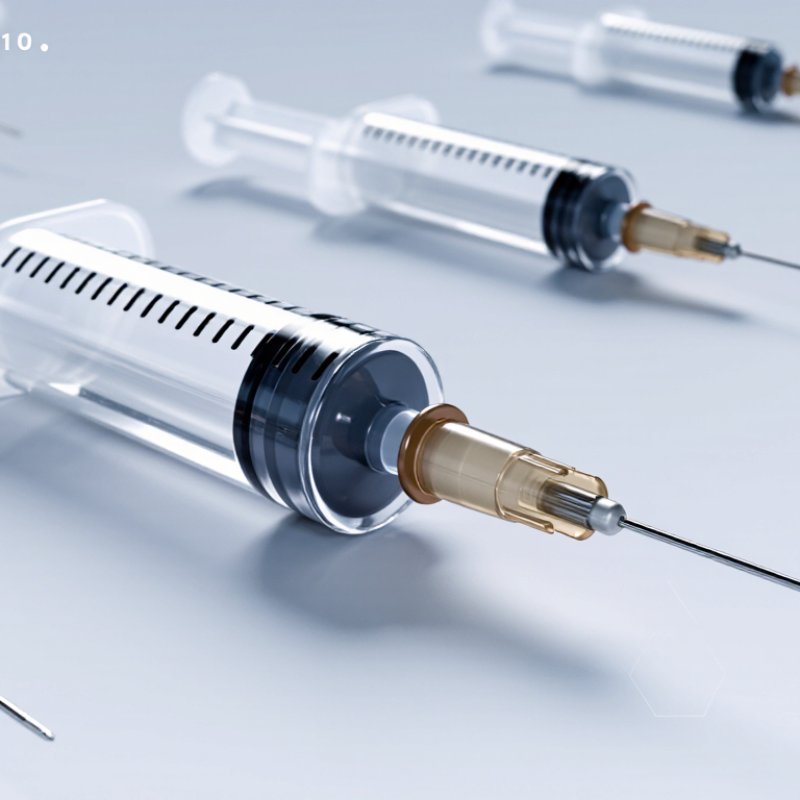
A Plastic Steel Injection Syringe typically combines a lightweight polymer barrel with a stainless-steel needle. This structure can offer clear dosage visibility, controlled handling, and dependable needle strength. The transparent barrel helps clinicians check fluid volume and detect visible particles before use. The steel needle supports stable penetration when its gauge and length match the clinical task. Small details matter. Plunger movement should remain smooth, without sudden resistance or leakage.

International standards provide a stronger basis for evaluation. ISO 7886-1 addresses sterile, single-use syringes, while ISO 9626 covers stainless-steel needle tubing. The WHO injection-safety guidance also emphasizes appropriate equipment, aseptic technique, and safe disposal. A syringe alone cannot eliminate every clinical risk. Human handling still matters. Storage temperature, packaging integrity, and expiry dates require careful inspection.

The choice should therefore extend beyond price. Buyers should review sterility validation, material compatibility, barrel graduation accuracy, and supplier traceability. Independent testing can reveal weaknesses that product photographs cannot show. No device is perfect. That limitation deserves honest attention. When specification, training, and quality control work together, a Plastic Steel Injection Syringe can support safer and more consistent injection practice.
Why Choose Plastic Steel Injection Syringes?

What Are Plastic Steel Injection Syringes?

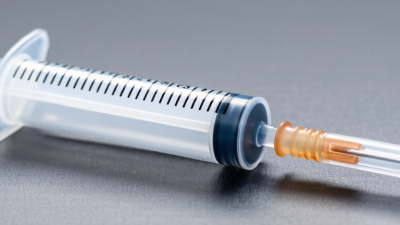
Plastic steel injection syringes are medical devices combining a lightweight plastic barrel with a stainless steel needle. The barrel holds the prescribed liquid, while clear markings help users measure the intended volume. The steel needle provides a firm, sharp path through suitable injection sites.

In practical use, the plastic body is easy to handle and reduces the risk of glass breakage. Its transparent surface also helps users observe the liquid, air bubbles, and any visible particles. However, these syringes are not perfect. Plastic can scratch, markings may fade, and needle sharpness can vary with storage conditions. A careful inspection matters before use. Healthcare professionals should follow the device instructions and local clinical procedures.

Tips: Check the package seal, expiration date, barrel clarity, and needle condition. Do not use a damaged or contaminated syringe. Keep the needle capped until preparation, and never reuse disposable equipment. Small details matter. During handling, steady lighting can make air bubbles easier to notice. Measurement accuracy also depends on holding the syringe at eye level. The right syringe size should match the required volume, because a very large barrel can make small measurements harder to control. Experiences may differ between settings, so staff should record problems and review them with qualified supervisors.
How Are Plastic Steel Injection Syringes Designed?

Plastic steel injection syringes are designed around controlled movement, clear measurement, and dependable handling. The barrel commonly uses medical-grade plastic for visibility and light weight. A steel needle or internal component adds stiffness where bending could affect accuracy. The connection must fit securely, while still allowing trained professionals to attach compatible equipment without excessive force.

Inside the barrel, the plunger uses a carefully fitted seal. It should move smoothly, but not slide freely. That balance helps reduce leakage and supports consistent delivery. Clear graduation marks are molded or printed along the barrel. They must remain readable under bright clinical lighting and routine handling. Small details matter.

Manufacturers inspect dimensions, seal performance, needle attachment, and packaging integrity. Sterility assurance also depends on validated processing and sealed packaging, not appearance alone. In practice, users may notice slight resistance changes between batches. This is not always a defect, but it deserves investigation. No design is perfect. Material selection can also create trade-offs between flexibility, strength, cost, and environmental impact. Reliable designs therefore use documented testing, traceable production controls, and feedback from qualified healthcare workers. A syringe that looks simple often reflects many engineering decisions.

What Benefits Do Plastic Steel Injection Syringes Offer?

Why Choose Plastic Steel Injection Syringes?

Plastic-steel injection syringes combine a transparent polymer barrel with a stainless-steel needle. This structure offers practical benefits in busy clinical settings. The lightweight barrel reduces hand fatigue during repeated procedures. Its clear surface also helps clinicians inspect the medication and identify air bubbles before injection. Small details matter.

The World Health Organization estimates that around 16 billion injections are administered worldwide each year. At this scale, reliable handling and accurate dosing become essential. A smooth plunger can improve control, while a rigid steel needle supports consistent penetration. Many designs also reduce dead space, helping limit medication waste. However, performance depends on manufacturing quality and correct storage. A cheaper syringe is not automatically the safer choice.

Plastic components resist corrosion and usually tolerate routine transport better than glass. They are also less likely to shatter if dropped. ISO 7886-1 specifies performance requirements for sterile, single-use syringes, including leakage, plunger movement, and graduation accuracy. These checks give healthcare teams a useful reference when selecting products. Still, plastic is not perfect. Excessive pressure may deform a barrel, and unclear graduations can undermine precise dosing. In practice, users should examine the seal, needle connection, scale visibility, and packaging before use. That extra inspection takes seconds. It may prevent avoidable errors.

Why Choose Plastic Steel Injection Syringes?

Plastic-and-steel injection syringes combine a lightweight, transparent polypropylene barrel with a strong stainless-steel needle. Polypropylene has a much lower density than stainless steel, helping reduce handling weight, while stainless steel provides the rigidity and sharpness required for reliable needle penetration. The values shown are representative typical material properties; exact specifications vary by material grade and syringe design.

Where Are Plastic Steel Injection Syringes Commonly Used?

Why Choose Plastic Steel Injection Syringes?

Plastic steel injection syringes are commonly used in hospitals, vaccination clinics, outpatient rooms, and home-care settings. Their plastic barrel keeps the device lightweight and visible. The steel needle supports controlled penetration and accurate delivery. Healthcare workers use them for vaccines, prescribed medicines, insulin, and local anesthetics.

The scale is substantial. The World Health Organization estimates that around 16 billion injections occur worldwide each year. Most are therapeutic, while immunization represents a smaller but essential share. WHO and UNICEF reported global DTP3 coverage of 84% in 2023, showing the continuing need for dependable injection equipment. Vaccination teams often carry sealed syringes in organized trays, alongside cotton swabs and safety containers.

These syringes also appear in emergency units and mobile medical services. Clear barrels help staff check the volume and detect visible particles before use. Single-use packaging reduces handling between patients, although it cannot replace careful hand hygiene or sharps disposal. ISO 7886 guidance emphasizes functional performance, sterility, and accurate graduation for single-use syringes.

The wording “plastic steel” is imperfect. The syringe is usually plastic, while the needle is stainless steel. Selection still requires attention to needle gauge, length, connection type, and medication viscosity. A small mismatch can cause leakage, discomfort, or dosing errors. In practice, the safest choice depends on the procedure, trained judgment, and verified quality documentation.

Why Choose Plastic Steel Injection Syringes? - Where Are Plastic Steel Injection Syringes Commonly Used?

Common Application Typical Syringe Capacity Common Needle Configuration Why Plastic-and-Steel Construction Is Used Important Use Considerations
Routine intramuscular and subcutaneous injections 1–5 mL Sterile stainless-steel needle; gauge and length selected according to the medication, injection site, and patient The plastic barrel is lightweight and provides a clear view of the medication, while the steel needle provides rigidity and a sharp penetrating tip. Use only the needle size and injection route specified by a qualified healthcare professional.
Insulin administration 0.3–1 mL, commonly calibrated for insulin dosing Short, fine-gauge fixed or detachable steel needle Fine graduations support small-volume measurement, and the transparent plastic barrel allows the contents and air bubbles to be checked. The syringe scale must match the insulin concentration and prescribed dosing system.
Tuberculin and other small-volume injections 1 mL Fine-gauge steel needle with clear, precise graduations The compact barrel and small graduation intervals help measure low volumes more precisely than larger-capacity syringes. Read the scale at eye level and follow the approved protocol for the specific procedure.
Intravenous medication delivery 1–20 mL, depending on the medication and procedure Steel needle for selected access procedures, or a compatible needleless connection for established vascular access The barrel is easy to handle and inspect, while the rigid steel component supports controlled access where a needle is clinically appropriate. Needleless systems are generally preferred for many established IV lines; follow institutional safety procedures.
Dental anesthesia and irrigation procedures 1–5 mL for medication delivery; larger sizes may be used for irrigation Sterile steel needle or a blunt irrigation tip, selected for the procedure The transparent barrel helps monitor the solution, and the steel tip offers dimensional stability during controlled delivery. Injection needles and irrigation tips are not interchangeable; use the configuration intended for the procedure.
Vaccination and immunization services 0.5–1 mL for many routine vaccine doses Short or standard-length sterile steel needle selected for the injection route and patient Single-use plastic barrels support hygienic workflow, while steel needles provide consistent penetration and accurate delivery. Dose volume, needle length, and injection route vary by vaccine and patient group.
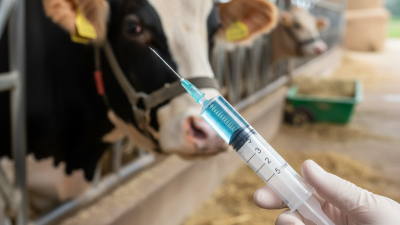
Veterinary injections 1–60 mL or more, depending on the animal and treatment Steel needle with gauge and length selected for species, route, medication, and tissue depth Plastic reduces handling weight, and steel provides the strength required for a range of veterinary injection techniques. Animal size, restraint method, medication viscosity, and local veterinary guidance must be considered.
Laboratory sampling and liquid transfer 1–60 mL, selected according to the sample or reagent volume Steel needle, blunt dispensing tip, or other compatible sterile attachment The clear barrel supports visual inspection, and the steel attachment tolerates repeated connection to compatible laboratory equipment. Check chemical compatibility, sterility requirements, and whether the syringe is intended for single use.

Note: Capacity ranges and needle configurations are common examples rather than universal specifications. Product selection should follow the intended procedure, medication instructions, applicable medical-device requirements, and professional healthcare guidance.

What Factors Should Guide Syringe Selection?

Selecting a plastic steel injection syringe should begin with its intended use, not its appearance. Match the syringe volume to the required measurement range. Smaller barrels often provide better control for low-volume applications. Confirm whether the plastic body and stainless-steel needle tolerate the medication or solution. Chemical compatibility matters.

Check the connection type, needle gauge, and needle length. A secure fitting reduces leakage and handling errors. Clear graduations are essential under ordinary clinical lighting. Look for markings that remain readable after wiping. Low dead space may reduce leftover fluid, but it is not ideal for every procedure. The choice depends on accuracy, viscosity, and delivery requirements.

Sterile packaging, expiration dates, and traceable lot information support reliable use. Relevant medical-device standards should guide purchasing decisions. Packaging should remain sealed, dry, and undamaged before use. A syringe that feels smooth can still have unclear markings or excessive plunger resistance. Test representative samples when possible. This step is often skipped. That is a weakness.

Plastic steel designs can offer a practical balance between light weight and structural strength. However, material quality and manufacturing control vary between suppliers. Review technical specifications, inspection records, and user feedback rather than trusting a familiar shape. A qualified healthcare or laboratory professional should verify the final selection for its specific application.