What Is a Livestock Medical Syringe Used For?
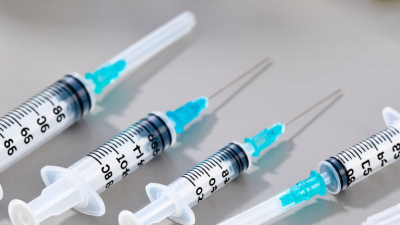
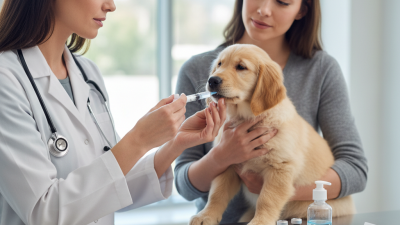
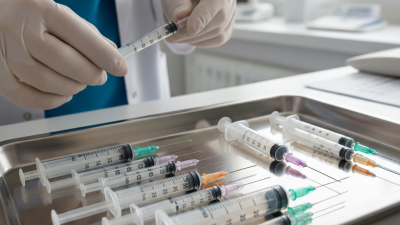
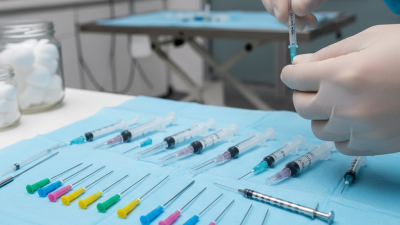
A Livestock Medical Syringe is a practical tool for delivering measured veterinary treatments to cattle, sheep, goats, pigs, and other farm animals. It helps administer vaccines, prescribed antibiotics, vitamins, dewormers, and fluids through approved routes. The correct route depends on the product label and veterinary instructions.
Dr. Temple Grandin, a leading authority on livestock behavior, said, “The goal is to move animals with a minimum of excitement.” That principle matters during every injection. Calm handling reduces struggling, bruising, needle damage, and accidental injury. A clean syringe, a suitable needle, and an accurate dose protect both the animal and the handler.
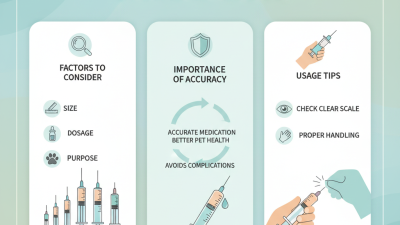
Different syringes serve different needs. Automatic models can support repeated vaccinations, while single-dose syringes provide careful control for individual treatment. Some devices include adjustable dosage settings. That feature saves time, but it does not replace checking the measurement. A small error can matter.
The syringe should be inspected before use. The barrel must be clear, the plunger should move smoothly, and the needle must be sterile and undamaged. Used needles require proper disposal in an approved sharps container. Never reuse equipment carelessly.
This process is not always perfect. Animals move, weather changes, and rushed handling can affect accuracy. I once underestimated how quickly a nervous calf could turn. That mistake reinforced a simple lesson: preparation must come before injection. A veterinarian should confirm the medicine, dose, injection site, withdrawal period, and treatment record. Reliable livestock care combines suitable equipment, trained judgment, and patient handling.
Livestock Medical Syringes: Types, Components, and 1–60 mL Capacities
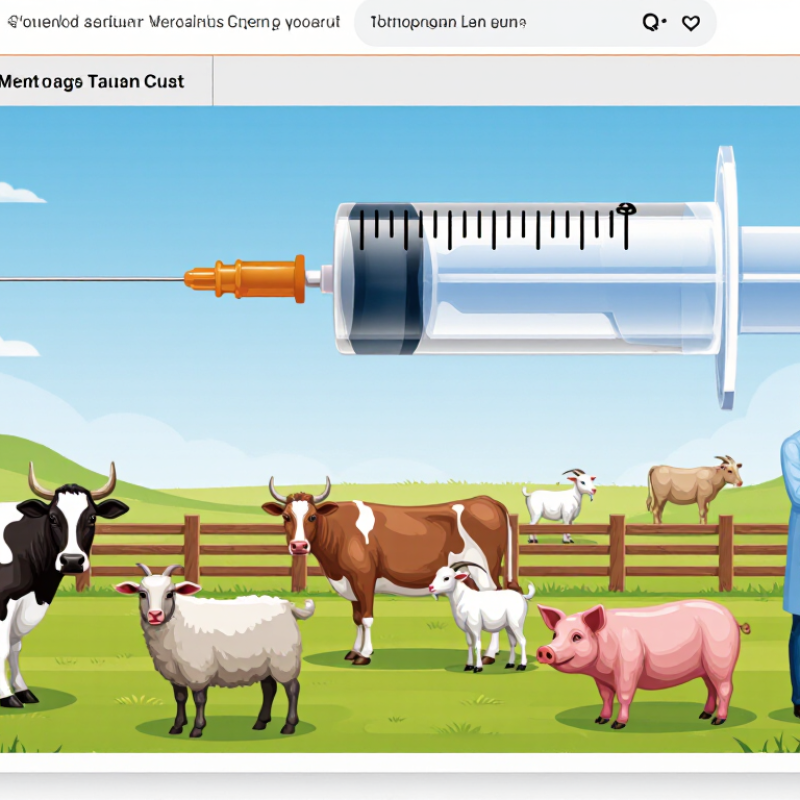
Livestock medical syringes deliver vaccines, prescribed medicines, fluids, and diagnostic materials to cattle, sheep, goats, and pigs. FAO’s World Food and Agriculture Statistical Yearbook 2023 reported 361 million tonnes of global meat production in 2022. That scale makes accurate dosing essential, not optional.
Common types include disposable syringes, reusable syringes, automatic injectors, and multi-dose models. Their main components are the barrel, plunger, graduations, nozzle, locking hub, and needle. A 1 mL syringe supports small, precise doses for young animals. Five- and 10 mL sizes suit routine injections. Larger 20, 30, and 60 mL syringes help administer thicker fluids or larger measured volumes, but they can reduce small-dose accuracy.
Capacity alone is not precision.
The needle must match the animal, injection site, medicine thickness, and veterinary instructions. A loose plunger can cause leakage. Blurred graduations create avoidable errors. In practical handling, technicians should inspect the barrel, confirm the dose, and replace damaged parts before use. The WOAH Terrestrial Animal Health Code stresses responsible veterinary product use and proper administration practices. Still, clean equipment does not guarantee correct treatment. Animal restraint, storage temperature, and staff training matter too. I would not choose a 60 mL syringe simply because it saves refilling time. That assumption deserves review.
Injection Routes: Subcutaneous, Intramuscular, and Intravenous Applications
What Is a Livestock Medical Syringe Used For?
A livestock medical syringe delivers vaccines, antibiotics, hormones, and other veterinary medicines. The correct injection route matters because tissues absorb medicines differently. The Food and Agriculture Organization reports that animal diseases can reduce global livestock production by about 20 percent. Accurate injection practices help reduce preventable losses.
Subcutaneous injections
place medicine beneath the skin, often behind the shoulder or in the neck area. This route suits many vaccines and selected medications.
Intramuscular injections
enter muscle tissue and may provide faster absorption. However, they can cause tissue damage or reduce meat quality when placed incorrectly.
The World Organisation for Animal Health recommends following product labels, veterinary instructions, and national animal-health requirements.
Intravenous injections
enter a vein and can act rapidly. They require stronger restraint, clean equipment, and trained handling. A misplaced needle may cause swelling, bleeding, or serious complications. It is not a casual route.
The USDA National Animal Health Monitoring System has repeatedly identified injection-site management as an important cattle-handling concern. In practice, workers should use sterile, appropriate-sized equipment and change needles when contamination or damage occurs. Records should include the animal, product, route, date, and withdrawal period.
The field is not always tidy. Rushing can make a technically correct method unsafe. Veterinary supervision remains essential, especially for intravenous treatment or sick animals.
Needle Selection: 14–25 Gauge Sizes for Species, Tissue, and Treatment Volume
A livestock medical syringe delivers vaccines, fluids, and prescribed medicines into muscle, beneath skin, or into a vein. Needle gauge matters because diameter changes tissue pressure, delivery speed, and leakage risk. A 14-gauge needle has a wide bore for thick solutions and larger treatment volumes. A 25-gauge needle is much finer and suits small volumes or delicate tissue.
Cattle often require 16–18 gauge needles for intramuscular or subcutaneous treatments, while sheep, goats, and young pigs commonly suit 18–21 gauge sizes. A 22–25 gauge needle may work for small animals, thin skin, or low-volume injections, but it can slow viscous medication noticeably. Tissue depth matters too. A short needle may leave medicine in the skin instead of the intended tissue. That mistake is easy to miss.
The 2022 FDA Summary Report noted a 36% decline in medically important antimicrobial sales since 2015. Accurate dosing and careful injection technique therefore deserve more attention. A wider needle is not automatically better. It may cause more tissue trauma, especially in young animals. A finer needle is not always gentler either. It may bend, clog, or require excessive pressure. My practical judgment would be to match gauge, length, viscosity, volume, and injection route with the veterinary label. USDA APHIS animal-health guidance also stresses correct handling and site selection. Local veterinary direction remains essential, because species, age, restraint, and product instructions can change the safest choice.
What Is a Livestock Medical Syringe Used For?
Needle selection depends on species, tissue, injection route, and treatment volume. The chart shows common routine gauge ranges; lower gauge numbers indicate larger-bore needles.
Large animals and larger-volume treatments commonly use larger-bore needles, while small animals and subcutaneous injections often use finer needles. Actual selection should follow the drug label, tissue depth, patient size, viscosity of the product, and veterinary protocol. Avoid exceeding recommended volume per injection site.
Dose Accuracy: Delivering 0.1–60 mL in Vaccination and Medication Programs
A livestock medical syringe delivers measured doses during vaccination, deworming, antibiotic, and supportive-care programs. Its practical range may extend from 0.1 to 60 mL, depending on the syringe design. Small-dose syringes help reduce waste in young animals. Larger barrels support efficient herd treatment. Accuracy matters most when the dose is small.
The World Organisation for Animal Health recommends following veterinary instructions, approved product labels, and correct administration routes. FAO’s 2023 livestock data show the sector supports billions of people worldwide, making reliable treatment equipment essential. A 0.1 mL error in a 1 mL dose represents a 10% difference. That margin can affect vaccine response or medication safety. Check the graduation marks before every injection. Keep the barrel clean and inspect the plunger seal.
Details matter. Hold the syringe at eye level. Remove visible air bubbles. Confirm the animal’s weight and the prescribed dose. For a 60 mL treatment, a smooth plunger can reduce hand strain during repeated work. However, a large syringe is not automatically precise for tiny doses. Use a smaller calibrated barrel when practical. Field conditions are rarely perfect. Cold temperatures, hurried handling, and worn seals can reduce confidence in the reading. That is why periodic calibration checks deserve more attention than they usually receive.
Herd Health Safety: Sterility, Biosecurity, and FDA Withdrawal-Period Compliance
A livestock medical syringe delivers measured vaccines, antibiotics, dewormers, and other approved veterinary medicines.
It also supports accurate dosing during routine herd-health work. The barrel should be clear, the plunger smooth, and the needle suitable for the animal and injection route.
Small errors matter. An underdose may fail treatment, while an overdose can increase residue and welfare risks.
Sterility protects animals and workers. Use a new sterile needle when possible, keep syringes covered, and never place used equipment on a feed surface. Clean hands and gloves reduce contamination between pens. A separate needle for each animal is ideal, especially during disease control.
USDA APHIS herd-health guidance repeatedly emphasizes sanitation, isolation, and movement control as practical biosecurity measures. Still, rushed handling can defeat a strong written protocol.
Withdrawal-period compliance requires careful records. Record the animal identification, product, dose, route, date, and administering person. Meat or milk must not enter the food supply before the labeled withdrawal period ends.
36%
The FDA’s 2022 annual report recorded a 36% decline in domestic sales of medically important antimicrobials for food-producing animals compared with 2015.
That trend reflects stewardship, but it does not remove the need for precise syringe use. A practical weakness remains: staff may remember the medicine but forget the clock.
Written treatment logs and veterinary direction reduce that risk. When a label is unclear, pause and verify it with a veterinarian or the appropriate regulatory source.