Leave Your Message

What Is the Best Plastic Steel Injection Syringe in 2026?

Choosing the best Plastic Steel Injection Syringe in 2026 is not just a price comparison. The right choice depends on intended use, dose accuracy, material quality, needle compatibility, and consistent plunger movement. A stiff plunger can make a small dose harder to control. Faint markings can be difficult to read under clinic lighting. Small details matter.

The World Health Organization estimated that about 16 billion injections were administered worldwide each year in its 2000 injection-safety guidance. That figure is historical, not a current 2026 count, but it shows the scale of injection-device use. For product evaluation, ISO 7886-1 provides an established reference for sterile, single-use hypodermic syringes. Buyers should still check each model’s current specifications, packaging, and intended-use information rather than assuming every syringe meets the same needs.

Patient-safety researcher and surgeon Atul Gawande wrote, “Better is possible. It does not take genius. It takes diligence.” His words are not a syringe-specific endorsement; they offer a useful standard for careful product selection. In this guide, we compare practical features that can be checked, including barrel clarity, readable graduations, plunger smoothness, and fit with the specified needle. There is no universal winner. A syringe that feels precise in one setting may be unsuitable in another, and product descriptions alone do not prove real-world performance.

What Is the Best Plastic Steel Injection Syringe in 2026?

What Is a Plastic Steel Injection Syringe?

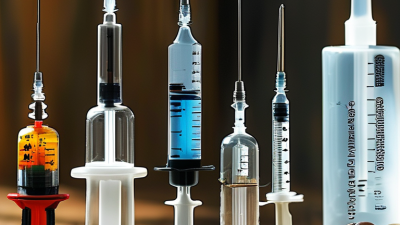
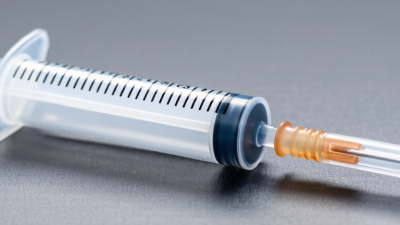
A plastic-steel injection syringe usually means a syringe with a molded plastic barrel and a stainless-steel needle. “Plastic steel” is descriptive, not a precise technical category, so construction can vary. The barrel holds the measured liquid; its clear walls and printed graduations help users read the volume. A plunger moves inside, while the needle connects through a fixed or detachable fitting. That distinction matters. A syringe is not just a needle: fit, capacity, sterility, and intended use all shape whether a device is suitable.

The World Health Organization’s 2015 injection-safety guidance cites an estimate of about 16 billion injections worldwide each year. This scale makes reliable design and safe handling important.

ISO 7886-1 specifies requirements and test methods for manually operated, single-use syringes, while ISO 7864 covers sterile hypodermic needles. These standards are useful reference points, but they do not make every syringe interchangeable. Check the device labeling, graduations, and connection type for the intended application. The term “plastic steel” can be imprecise; that is worth remembering when comparing product descriptions. A tiny mismatch can matter.
How Its Materials and Components Work

What Is the Best Plastic Steel Injection Syringe in 2026?

How Its Materials and Components Work

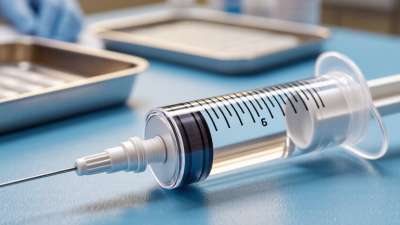
A plastic-steel injection syringe works through several materials, not one. Its barrel is commonly made from medical-grade polypropylene, a lightweight polymer that can be molded with clear volume markings. The plunger moves inside it, while an elastomer seal helps limit leakage and maintain pressure. The steel needle provides a rigid, sharp path for fluid. Small details matter. A rough plunger or poorly fitted seal can make movement uneven, even when the barrel looks flawless.

The World Health Organization has estimated that about 16 billion injections are administered worldwide each year. That scale makes consistent materials and assembly important. The OECD’s Global Plastics Outlook reports that plastic waste reached 353 million tonnes in 2019, with only 9% recycled. This broader figure is not specific to syringes, but it highlights why material use and disposal deserve attention.

When assessing a syringe, check that the graduations are readable, the plunger moves smoothly, and the needle-to-hub connection feels secure. A transparent barrel helps users see the fluid, but clarity alone does not prove dimensional accuracy. I would not call one material combination universally best: intended use, fluid compatibility, and device specifications all matter. And sometimes, the less obvious fit is the problem. Verify the product’s technical documentation rather than relying on appearance alone.

Which Performance Factors Define Syringe Quality?

A quality plastic-and-steel injection syringe is judged by consistent performance, not appearance alone. Dose accuracy matters: graduations should be clear, evenly spaced, and easy to read under ordinary lighting. Small errors matter. The plunger should move smoothly without sticking or sudden jumps, while the seal should prevent leakage during intended use. A transparent barrel helps users inspect the contents, but clarity is not enough if markings fade or distort near the edges. That tactile detail is easy to overlook.

Check the steel components for clean finishing, secure connections, and resistance to corrosion under the specified conditions. Low residual volume can reduce waste, though the acceptable amount depends on the application. Material compatibility, packaging integrity, and documented sterility testing also matter for products intended for medical use. Ask for test data covering representative production lots, not just a single sample; dimensional checks and leakage results are useful evidence. No single feature settles it. A sturdier barrel may feel reassuring, yet visibility and handling can suffer if the design is too bulky. Compare the syringe with the actual fluids, equipment, and workflow it is intended to serve.

How Plastic Steel Syringes Compare With Other Types

What Is the Best Plastic Steel Injection Syringe in 2026?
How Plastic Steel Syringes Compare With Other Types

“Plastic steel” is not a standardized syringe category. It usually describes a plastic barrel paired with a steel component, such as a needle or plunger. Compared with all-plastic syringes, a steel component may offer added rigidity, but it does not automatically improve dose accuracy. Fit, clear graduations, smooth plunger movement, and the intended clinical use matter more. Glass syringes can be reusable and chemically resistant, yet they are heavier and can break. Single-use plastic models are light and convenient, but create more waste. There is no universal winner.

Scale matters. The World Health Organization estimates that about 16 billion injections are administered worldwide each year. Its injection-safety guidance emphasizes appropriate equipment and safe practices, not one material as best for every setting. For a real comparison, check the syringe’s intended use, volume markings, sterility information, and compatibility with the procedure. Also verify whether “steel” refers to the needle or another part; product descriptions can be vague. That deserves a second look.

Tips: Compare the same capacity and graduation interval. Inspect the barrel for clear, evenly spaced marks, then check that the plunger moves steadily without sticking. For clinical decisions, follow qualified healthcare guidance and the device instructions.

How to Choose a Plastic Steel Injection Syringe in 2026

What Is the Best Plastic Steel Injection Syringe in 2026?

How to Choose a Plastic Steel Injection Syringe in 2026

Choosing a plastic-and-steel injection syringe starts with its intended use and the instructions from a qualified healthcare professional. Check the capacity and graduation marks; the dose should be easy to read in ordinary room light. Look for a smooth-moving plunger and a secure connection between the plastic barrel and steel needle. A syringe that feels stiff or loose may be difficult to handle accurately. Appearance alone cannot confirm quality.

Confirm that the packaging is sealed, the product is sterile, and the syringe is clearly labeled for its intended use. Check needle length and gauge only against professional guidance, since the right choice depends on the application. Also verify compatibility with the liquid and any connected equipment. If the markings are unclear, or the package is damaged, set it aside and ask a pharmacist or clinician. Small details matter.

Tips: Read the label before use. Never reuse a disposable syringe. Keep it capped until needed, and follow the product instructions for handling and disposal. One point is easy to overlook: a lower price does not tell you whether a syringe suits your needs. Compare specifications instead.